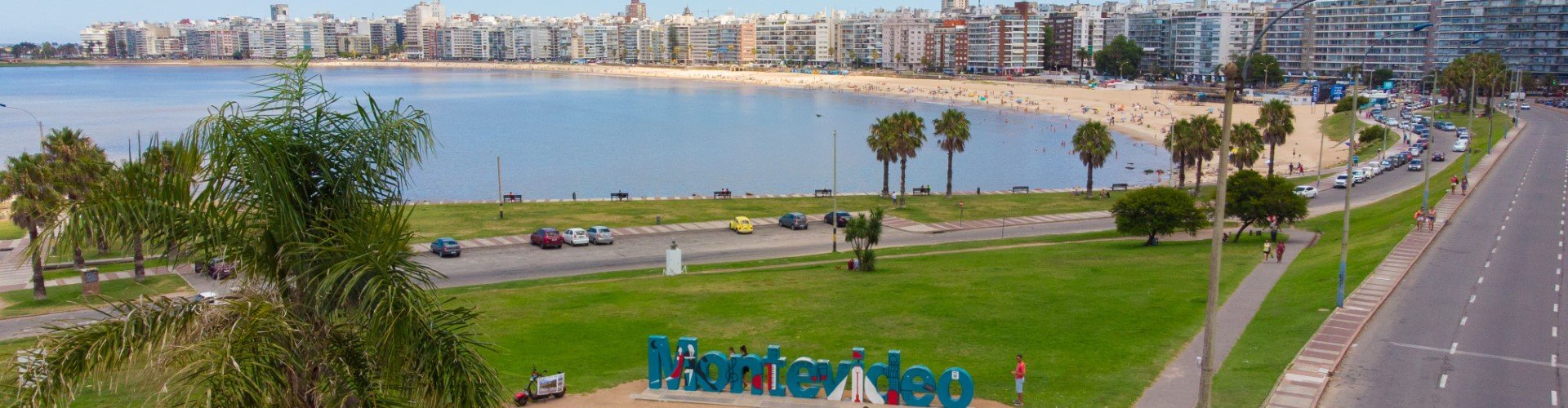
Imagine stepping into Montevideo’s historic core: the warm hues of colonial façades bathed in golden sunlight, while the distant hum of street musicians blends with the murmur of locals enjoying late afternoon mate. Inside the city’s museums, footsteps echo softly over polished wooden floors where centuries-old artifacts whisper stories of Uruguay’s vibrant past. From grand art deco theatres to humble yet evocative local galleries, the city’s architecture and streets offer a sensory feast. Each corner reveals layered histories - from indigenous roots through European colonial influences to modern cultural pride - setting a stage where you can immerse yourself fully in history and art.
Quick Facts
- Population & official language(s): Approximately 1.3 million; Spanish.
- Local currency & cashless payments: Uruguayan Peso (UYU); credit cards widely accepted; popular mobile payment apps include MercadoPago (verified April 2025).
- Best seasons for cultural sightseeing: Spring (Sept-Nov) and autumn (Mar-May) offer mild weather and lighter crowds perfect for museum visits and historic walks.
- Airport / main station distance: Carrasco International Airport is 22 km east of the city centre; Tres Cruces central bus station is a 10-minute walk from the historic district.
- Cheapest full-day public transport pass: UYU 110 (~€2.50), covering buses across the city (Urban Mobility Service, April 2025).
- Typical cappuccino cost near major museums: UYU 120–160 (€2.50–3.30) as of April 2025.
Why Visit Montevideo, UY for History & Culture?
Montevideo isn’t just Uruguay’s political capital; it’s a living museum stretching from colonial times to the present day. For history enthusiasts and cultural travellers, the city offers a rich tapestry of narratives, told through its carefully preserved museums, architectural gems, and vibrant neighbourhoods. Its location by the Rio de la Plata ushered in waves of trade, migration, and cultural exchange, leaving layers of European influence mingled with indigenous heritage, seafarers’ tales, and revolutionary fervour.
The compact size of Montevideo’s historic centre means you can easily explore a wealth of museums, galleries, and historic landmarks within a few strolls or short rides. You will uncover the city’s role in South America’s independence movements, its artistic evolution from colonial times to modernist expression, and the diverse cultural currents shaping Uruguay today. The museums range from grand national institutions featuring fine art and history to intimate local spaces showcasing Montevideo’s street culture and maritime roots.
Whether wandering the elegant streets of Ciudad Vieja or delving into the thriving arts scene of Barrio Sur and Palermo, you’ll see firsthand why Montevideo is one of the most compelling popular destinations in Montevideo, UY. Two or three days here offer an enriching cultural immersion, combining museum visits with atmospheric district explorations - a perfect weekend trip to Montevideo, UY for those craving thoughtful, layered historical discovery.
Top 10 Must-See Museums & Historical Sites
- Museo Nacional de Artes Visuales: Home to the finest collection of Uruguayan visual art, this museum displays masterpieces from the 19th century to contemporary works, all housed within a beautiful park setting (open daily, €3 adult ticket).
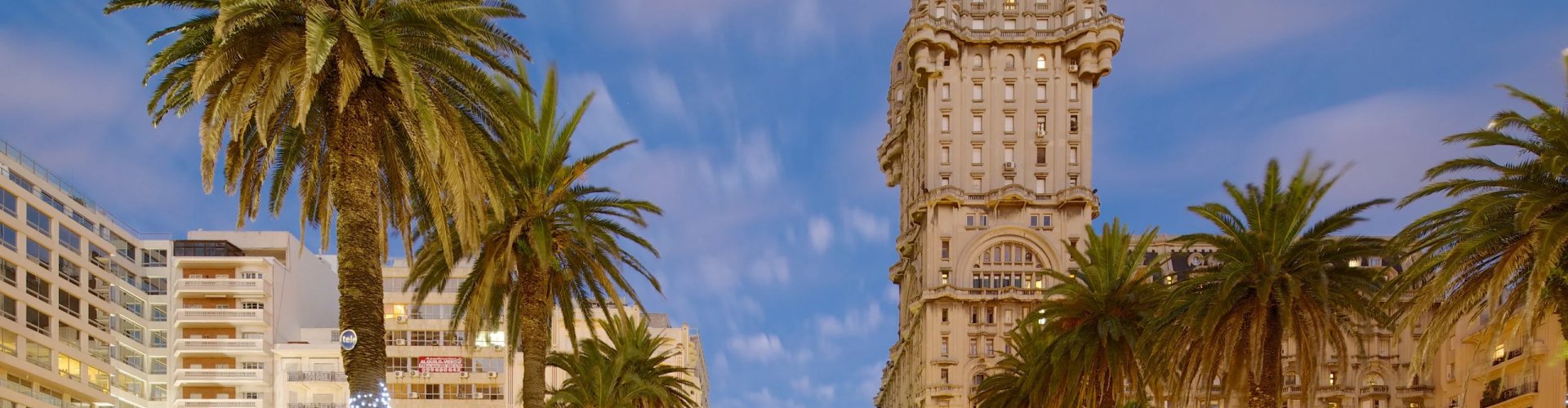
- Palacio Salvo: A Montevideo landmark since 1928, this iconic skyscraper offers architectural tours revealing Art Deco grandeur and panoramic city views.
- Mercado del Puerto: Not just a food market but a cultural hub where the city’s culinary heritage and social life converge amidst colonial architecture and live music.
- Casa de Gobierno: The presidential palace, its neoclassical façade masks an interior full of political history and public artworks reflecting Uruguay’s democratic values. Guided tours available on request.
- Barrio Histórico (Ciudad Vieja): The oldest district, with cobbled streets, colonial buildings, and plazas telling stories of European settlement and the city’s evolution.
- Museo del Carnaval: Dedicated to Uruguay’s colourful carnival traditions, featuring costumes, music archives, and ethnographic exhibits (weekends, €2 ticket).
- Fortaleza del Cerro: Overlooking the bay, this 19th-century fort offers historical insights into Montevideo’s military past and sweeping scenic views.
- Museo Torres García: Celebrating the influential artist Joaquín Torres García, this museum displays his modernist works and studio artifacts.
- Parque Battle y Ordóñez: More than a park, it contains monuments and sculptures that memorialise key figures in Uruguay’s nation-building.
- Teatro Solís: Uruguay’s premier theatre, a stunning neoclassical building that invites you to experience the city’s cultural performances and guided architectural tours.
Price & Time Grid: Museums & Landmarks at a Glance
| Site | Adult Ticket (€) | Avg Visit Time | Skip-the-Line | Nearest Metro/Tram |
|---|---|---|---|---|
| Museo Nacional de Artes Visuales | 3 | 2–3 hours | Limited | Line A – Intendente |
| Palacio Salvo | 5 | 1 hour | Yes | Line A – Plaza Independencia |
| Mercado del Puerto | Free entry | 1.5 hours | Not applicable | Tram Line 15 Stop |
| Casa de Gobierno | Free | 1 hour | No | Line A – Plaza Independencia |
| Barrio Histórico (Ciudad Vieja) | Free | Varies | Not applicable | Line A – Ciudad Vieja |
| Museo del Carnaval | 2 | 1 hour | No | Bus 76 Nearby |
| Fortaleza del Cerro | 3 | 1.5 hours | No | Bus 184 |
| Museo Torres García | 4 | 1–2 hours | No | Line A – Plaza Independencia |
| Parque Battle y Ordóñez | Free | 1 hour | Not applicable | Bus 128 |
| Teatro Solís | 5 | 1.5 hours | Yes | Line A – Plaza Independencia |
These ten sites encapsulate Montevideo’s rich cultural landscape, balancing free-access public spaces with excellent museums requiring modest entry fees. Planning your visits with the average times ensures a well-paced Montevideo, UY itinerary that covers all the top attractions Montevideo, UY has to offer without rushing.
Historic Neighbourhood Snapshots
Ciudad Vieja
The city’s oldest quarter pulses with colonial charm: narrow cobbled streets, lively plazas, and a profusion of cafés and artisan shops. Here, you’ll find the pulse of Uruguay’s founding epoch in buildings like the Cabildo and the Solis Theatre. By day, the neighbourhood bustles with market stalls; by night, the atmosphere softens into the gentle glow of streetlamps and tango bars.
Barrio Sur
Known as the cradle of candombe drumming and Afro-Uruguayan culture, Barrio Sur offers vibrant streets rich with colourful murals and the constant rhythm of drums during performances. Its small museums preserve early African diaspora narratives that shaped Montevideo’s cultural identity.
Palermo
Sleek yet steeped in history, Palermo balances elegant 19th-century mansions with open squares and small galleries. It’s a favourite for art lovers seeking contemporary exhibits alongside historical reflections, with a calmer vibe perfect for afternoon explorations.
Cordón
This working-class district has evolved into a hub for cutting-edge contemporary art alongside remnants of industrial heritage. Visits to smaller cultural centres here reveal the city’s recent cultural revitalisation efforts, making it a must-visit for the curious traveller.
Hidden Museums & Cultural Gems
- Museo Juan Manuel Blanes: A lesser-known art museum featuring Uruguayan masters in a serene garden setting.
- Espacio de Arte Contemporáneo: A converted prison turned contemporary art museum that presents thought-provoking exhibitions.
- Casa de la Cultura Afrouruguaya: An intimate cultural centre dedicated to exploring and celebrating African heritage in Uruguay.
Getting Around the Historic City
Metro: Montevideo currently lacks a metro system but plans are underway; meanwhile, tram lines supplement urban transit primarily nearer the coast.
Trams and Buses: A comprehensive bus network covers all major points in and around the historic centre. Buses run frequently, with most stops clearly marked. Tram lines offer a charming, historic mode of transport especially around Ciudad Vieja.
Walking Routes: The compact historic districts are best explored on foot, where the city’s street-level stories come alive. Secure comfortable footwear and take your time to savour each corner.
Transport passes: For convenience, purchase a full-day ticket for unlimited bus travel (UYU 110) at kiosks around the city. This is cost-effective if you plan to hop between museums and neighbourhoods.
Money-Saving Tips for Museum Lovers
- Take advantage of free admission days - most museums have at least one monthly free or discounted entry day (City Museum Authority, April 2025).
- Purchase a combined cultural pass if available to save on multiple museum entries and priority access.
- Use public transport day passes instead of taxis; walking between close sites saves money and enhances your experience.
- Visit smaller, lesser-known museums in Barrio Sur and Palermo for high value cultural experiences at lower costs.
- Enjoy local cafés near museums for affordable refreshments instead of pricier tourist traps.
Sample 3-Day Cultural Itinerary
Day 1: Ciudad Vieja & Museo Nacional de Artes Visuales
Start at the Museo Nacional de Artes Visuales for a morning with Uruguayan masterpieces, then a leisurely lunch at Mercado del Puerto. Spend the afternoon exploring Ciudad Vieja’s colonial architecture, theatres, and plazas.
Day 2: Afro-Uruguayan Culture & Teatro Solís
Morning visit to Museo del Carnaval and Barrio Sur’s cultural spots. In the afternoon, enjoy Teatro Solís tours or a performance followed by dinner in Palermo district, soaking in its artistic vibe.
Day 3: Historic Fort & Hidden Gems
Head to Fortaleza del Cerro in the morning for city views, then explore Museo Torres García and Espacio de Arte Contemporáneo. Wrap up with relaxed moments at Parque Battle y Ordóñez before departure.
Eight Mistakes Cultural Weekend Travellers Make
- Underestimating walking distances within historic districts - wear comfortable shoes and allocate enough time.
- Ignoring local schedules; verify museum opening hours as they can vary, especially on holidays.
- Skipping smaller museums in favour of only big names, missing out on authentic local culture.
- Failing to pre-book popular guided tours like Palacio Salvo or Teatro Solís walk-throughs during peak weekends.
- Overpacking the itinerary; Montevideo’s rich history deserves room for pauses and reflection.
- Relying solely on taxis instead of affordable, efficient public transports and walking.
- Ignoring weather effects on outdoor heritage sites; spring and autumn are ideal seasons.
- Not interacting with local guides or residents who can deepen your understanding beyond museum walls.
Frequently Asked Questions
What is the best time of year to visit Montevideo for museums and historic sites?
Spring (September to November) and autumn (March to May) offer mild weather and fewer crowds, making these seasons ideal for exploring cultural attractions comfortably.
How much time do I need to see the top cultural sights?
A well-paced 2–3 day Montevideo, UY itinerary lets you explore main museums, historic neighbourhoods, and cultural hotspots without rushing.
Are many museums accessible by public transport?
Yes, a comprehensive bus network and tram lines, combined with walking in the historic centre, make it easy to reach most top attractions in Montevideo, UY.
Are there any free museum days or discounts?
Many museums offer free entry once a month or on specific weekdays. It’s best to check current schedules when planning your visit.
Call to Action
If you’ve enjoyed this cultural dive into popular destinations in Montevideo, UY, share your thoughts in the comments below, pass this guide on to fellow travellers, and subscribe to our newsletter for more 48-hour guides Montevideo, UY and beyond. Let Montevideo’s rich heritage inspire your next cultural adventure!