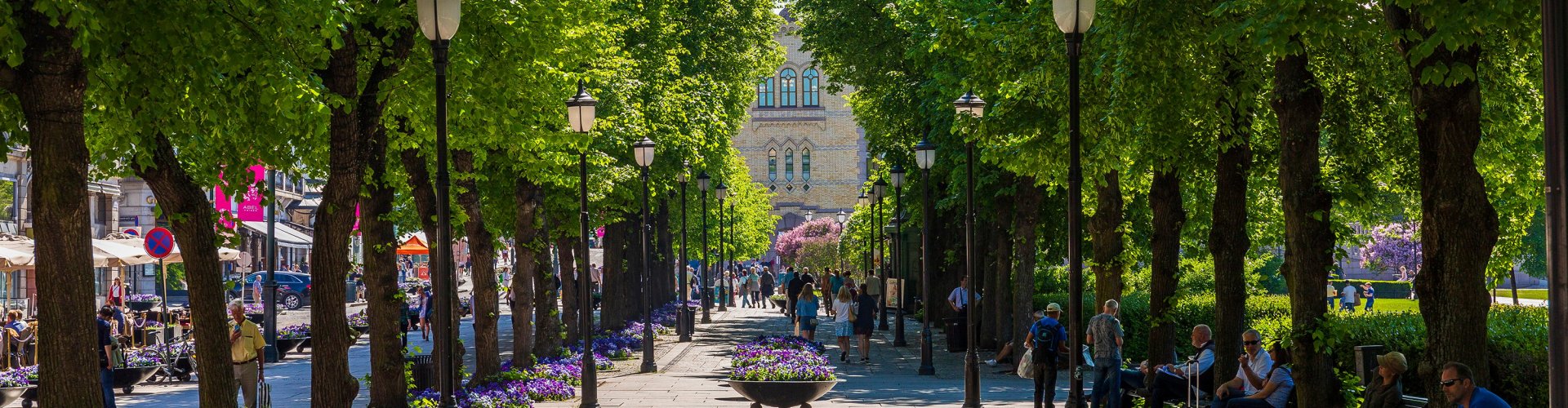
Picture stepping into Oslo, NO, where cobbled streets echo with history and the crisp Scandinavian air carries whispers of Viking tales. As you wander from the commanding silhouette of the Akershus Fortress to the sleek, modern lines of the National Museum, senses awaken: the subtle scent of old timber in museums, the tactile thrill of embossed artefacts, and bursts of vibrant Nordic art. The city’s pulse beats in quiet galleries, dramatic sculptures, and tranquil fjord views - each inviting you to connect deeply with a layered past and a thriving cultural present.
Quick Facts: Oslo, NO at a Glance
- Population & Language: Approx. 700,000 residents; Norwegian (Bokmål and Nynorsk) are official languages.
- Currency & Payments: Norwegian Krone (NOK); contactless and mobile payments highly prevalent.
- Best Seasons: Late spring to early autumn (May to September) for pleasant weather and manageable crowds.
- Transport: Oslo Airport Gardermoen is 50km from city centre; Oslo Central Station (Oslo S) is centrally located.
- Transport Pass: Single-day Ruter pass at 120 NOK (~€11) for unlimited city travel.
- Cappuccino Price: Around 42 NOK (€3.80) near major museums (April 2025).
Why Visit Oslo, NO for History & Culture?
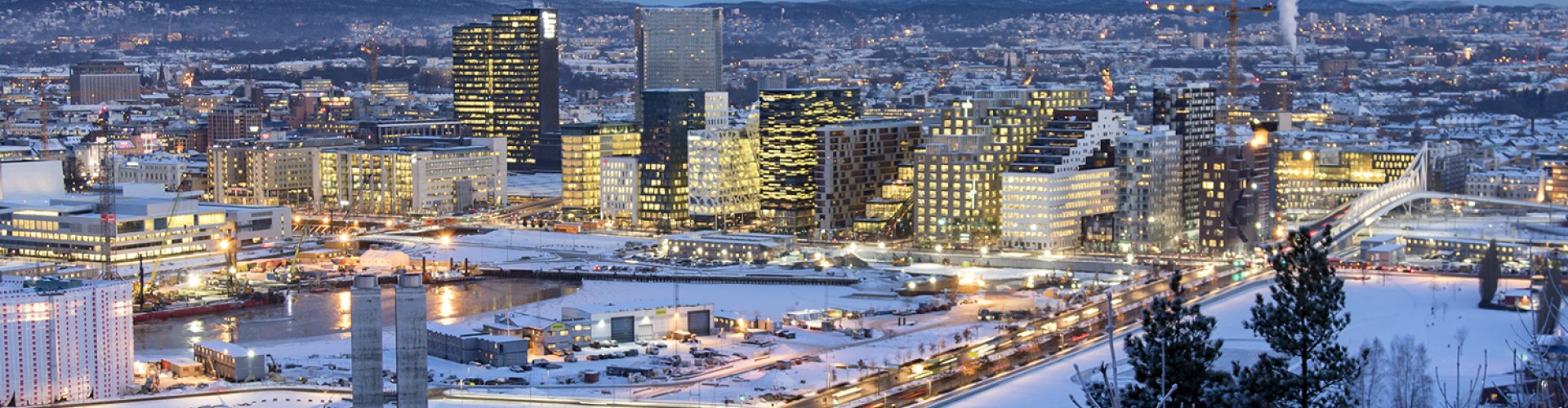
Oslo stands as a captivating tapestry where ancient heritage and modern creativity entwine. From Viking settlements that shaped Northern Europe to contemporary art movements, the city’s cultural richness spans centuries. Norway’s capital offers an unmatched array of museums, from the iconic Viking Ship Museum housing artefacts over a millennium old, to the edgy, new National Museum showcasing Nordic art masterpieces. Architectural contrasts - from the medieval Akershus Fortress to the futuristic Barcode Project - illustrate Oslo’s ability to preserve history while innovating for the future.
What makes Oslo a top destination for culture-seekers is its compact size, allowing you to traverse its historical quarters with ease. Whether you’re tracing the footsteps of Vikings, admiring Edward Munch’s haunting paintings, or immersing yourself in indigenous Sámi culture at lesser-known venues, the city invites you to dive deep into a narrative both local and global.
With a 2–3 day window, you can craft a rewarding Oslo, NO itinerary exploring popular destinations in Oslo, NO alongside cherished neighbourhoods. The city’s museums and historic sites don’t just offer static displays but lively insights through exhibitions, guided tours, and interactive experiences. These elements combine to make Oslo one of the best cultural hubs in Scandinavia, ideal for a weekend trip to Oslo, NO or an extended 48-hour guide Oslo, NO escapade.
Top 10 Must-See Museums & Historical Sites
- Viking Ship Museum: Admire the world’s best-preserved Viking ships and artefacts dating back to the 9th century, telling stories of seafaring prowess and conquest.
- The National Museum: Norway’s largest museum, home to Edvard Munch’s iconic paintings, classical sculpture, and modern installations.
- Akershus Fortress: This medieval castle overlooking Oslo Fjord offers panoramic views and a glimpse into Norway’s military past.
- Fram Museum: Discover polar exploration history aboard the Fram, the strongest wooden ship ever built.
- The Kon-Tiki Museum: Chronicles Thor Heyerdahl’s daring Pacific expedition on a raft made of balsa wood.
- Munch Museum: Dedicated solely to Edvard Munch’s life and works, with rotating exhibitions enhancing the collection.
- The Norwegian Museum of Cultural History: Open-air museum featuring historic buildings, folk art and Sámi culture exhibits.
- The Historical Museum of Oslo: Offers archaeological finds spanning Norway’s prehistoric to medieval eras.
- Oslo City Hall: Renowned for its grand halls adorned with murals depicting Norwegian culture and history.
- Mathallen Food Hall: While not a museum, its heritage as a reclaimed industrial building adds to Oslo’s modern cultural texture.
Price & Time Grid: Museums & Landmarks at a Glance
| Attraction | Adult Ticket (€) | Avg Visit Time | Skip-the-Line | Nearest Metro/Tram Stop |
|---|---|---|---|---|
| Viking Ship Museum | 12 | 1.5 hours | Yes | Bygdøy |
| The National Museum | 15 | 2 hours | Yes | Nationaltheatret |
| Akershus Fortress | Free entry (Guided tours extra) | 1-1.5 hours | NA | Jernbanetorget |
| Fram Museum | 12 | 1.5 hours | Yes | Bygdøy |
| Kon-Tiki Museum | 12 | 1 hour | Yes | Bygdøy |
| Munch Museum | 14 | 1.5 hours | Yes | Storo |
| Norwegian Museum of Cultural History | 12 | 2 hours | Yes | Bygdøy |
| Historical Museum of Oslo | 10 | 1.5 hours | No | University |
| Oslo City Hall | Free | 45 minutes | NA | Stortinget |
| Mathallen Food Hall | Free | 1 hour | NA | Vulkan |
This curated selection offers you a well-balanced itinerary for popular destinations in Oslo, NO, blending free and ticketed sites. Note the Bygdøy peninsula clusters several maritime and exploration museums, ideal for a half-day trip. Metro and tram stops are conveniently located, enhancing your ability to navigate the city efficiently during your weekend trip to Oslo, NO.
Historic Neighbourhood Snapshots
1. Kvadraturen
The heart of Oslo’s Renaissance layout, Kvadraturen charms with its orderly grid of neoclassical buildings and cobblestone streets. Once the city’s commercial core, this district brims with historical government buildings and grand churches. Exploring here, you’ll feel Oslo’s transformation during the 17th century, the echoes of merchants’ footsteps mixing with today’s savvy urban crowd.
2. Bygdøy Peninsula
Bygdøy is truly a cultural treasure trove, hosting several of Oslo’s most famous museums. Its lush parks and shoreline pathways offer a peaceful retreat while revealing Norway’s maritime strength and polar exploits. Wandering this peninsula lets you connect with seafaring sagas and scientific endeavour in a scenic, accessible setting.
3. Old Town (Gamlebyen)
Steeped in medieval history, Gamlebyen showcases Oslo’s earliest beginnings with ruins, ancient churches, and fortress remnants. Though quieter than the bustling centre, its atmospheric charm comes alive with seasonal markets and intimate galleries. A stroll here feels like stepping back to Oslo’s formative years.
4. Grünerløkka
Once an industrial district, Grünerløkka has evolved into Oslo’s creative hub. Graffiti-strewn walls, vintage cafés, and thrumming weekend markets infuse this area with bohemian energy. Amid its youthful vibe, it’s also a hotspot for contemporary art spaces, bringing a modern cultural twist to your journey through Norwegian heritage.
Hidden Museums & Cultural Gems
- The Resistance Museum (Motstandsmuseet): Delve into Norway’s WWII wartime experiences through compelling exhibits and personal stories.
- Emanuel Vigeland Museum: Discover a hidden mausoleum with dramatic frescoes and a haunting acoustic ambiance.
- The Norwegian Museum of Immigration: Explore immigrant stories that shaped modern Oslo, often overlooked in mainstream tours.
Getting Around the Historic City
The metro system, known as T-banen, is swift and reliable - connecting you from major hubs to culturally rich districts with ease. For historic districts and museum clusters like Bygdøy, trams offer scenic routes perfect for a relaxed commute.
Buses complement metro and tram lines, reaching outlying neighbourhoods where hidden gems dwell. Consider multi-day travel cards to optimise cost and convenience.
Walking is often the best way to explore Oslo’s city centre and its adjacent historic areas. The compact layout invites spontaneous detours to cafés, galleries, and small parks.
Transport passes like the Ruter day or multi-day ticket provide unlimited rides on buses, trams, and metro - great for your weekend trip to Oslo, NO. Purchase online or at stations.
Money-Saving Tips for Museum Lovers
- Purchase combined or multi-attraction passes that cover multiple museums at discounted rates.
- Visit museums on free entry days, often offered monthly or seasonally - check individual museum schedules.
- Book tickets online in advance to secure skip-the-line access and avoid queues, saving valuable time.
- Use public transport day passes to reduce transit costs while visiting several sites across the city.
- Opt for guided walking tours which often include free entry or reduced rates to partner museums.
Sample 3-Day Cultural Itinerary
- Day 1: Start at the National Museum to absorb Norwegian art treasures, then explore Akershus Fortress and end your day with a stroll at the Oslo City Hall and waterfront.
- Day 2: Take the ferry to Bygdøy peninsula. Visit the Viking Ship Museum, Fram Museum, and Kon-Tiki Museum. Return via the peaceful coastal path stopping at the Norwegian Museum of Cultural History.
- Day 3: Explore Munch Museum in the morning; walk through Grünerløkka’s creative streets and markets. End with a visit to the Resistance Museum or Emanuel Vigeland Museum for offbeat history.
Eight Mistakes Cultural Weekend Travellers Make
- Underestimating walking distances between museums, leading to rushed experiences.
- Failing to book skip-the-line tickets, resulting in long queues during peak seasons.
- Ignoring the Bygdøy peninsula cluster - missing out on several key museums in one area.
- Not checking opening hours carefully; some museums close early on certain weekdays.
- Skipping public transport passes, paying more per ride than the economical day cards.
- Overbooking their itinerary without downtime, leading to cultural overload and fatigue.
- Neglecting to explore lesser-known museums, thereby missing unique local perspectives.
- Forgetting to try local cafés for a true cultural immersion and affordable refreshments.
Frequently Asked Questions
What is the best season to visit Oslo for cultural sightseeing?
Late spring through early autumn (May to September) offers the best weather and longer daylight hours, ideal for visiting museums and historic sites comfortably (City Tourism Board, 2025).
Can I visit multiple museums in one day economically?
Yes, purchasing a multi-day transport pass plus combined attraction tickets or city cards can save both money and queue time effectively.
Are the museums suitable for families with children?
Absolutely. Many museums, like the Fram and Kon-Tiki, include interactive exhibits that engage younger visitors while offering deep historical insights.
Is English widely spoken in museums and guided tours?
English is commonly available across Oslo’s museums via audio guides, tours, and signage, ensuring an accessible experience for international travellers.
Call to Action
If you’ve enjoyed exploring this insightful 48-hour guide Oslo, NO, why not share your own museum adventures or questions in the comments? Subscribe to our newsletter to uncover more about the top attractions Oslo, NO has to offer on your next trip. Join a community eager to delve into the rich cultural heartbeat of one of Scandinavia’s most enchanting capitals.