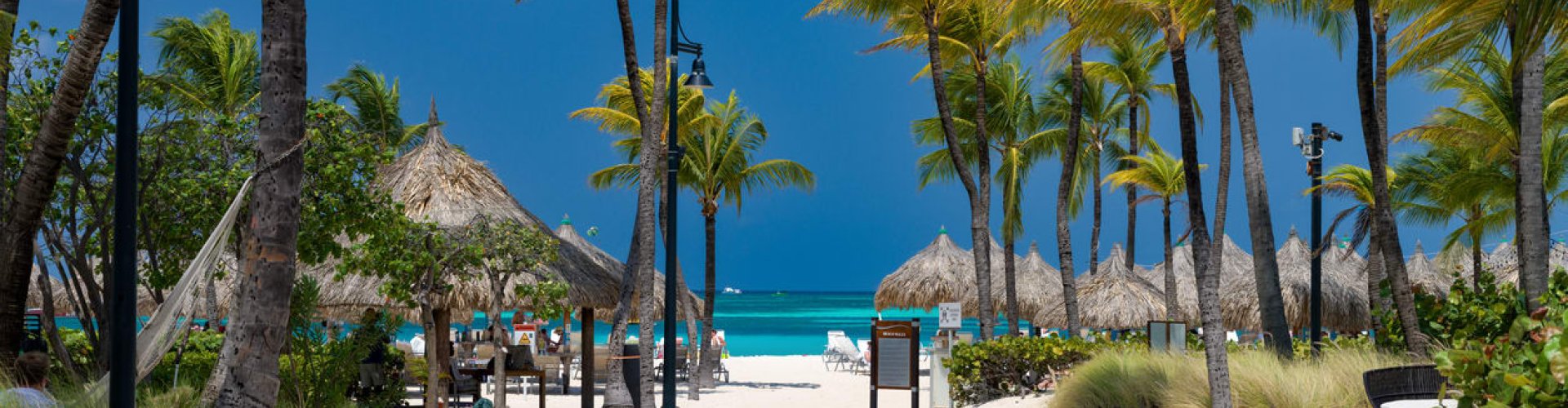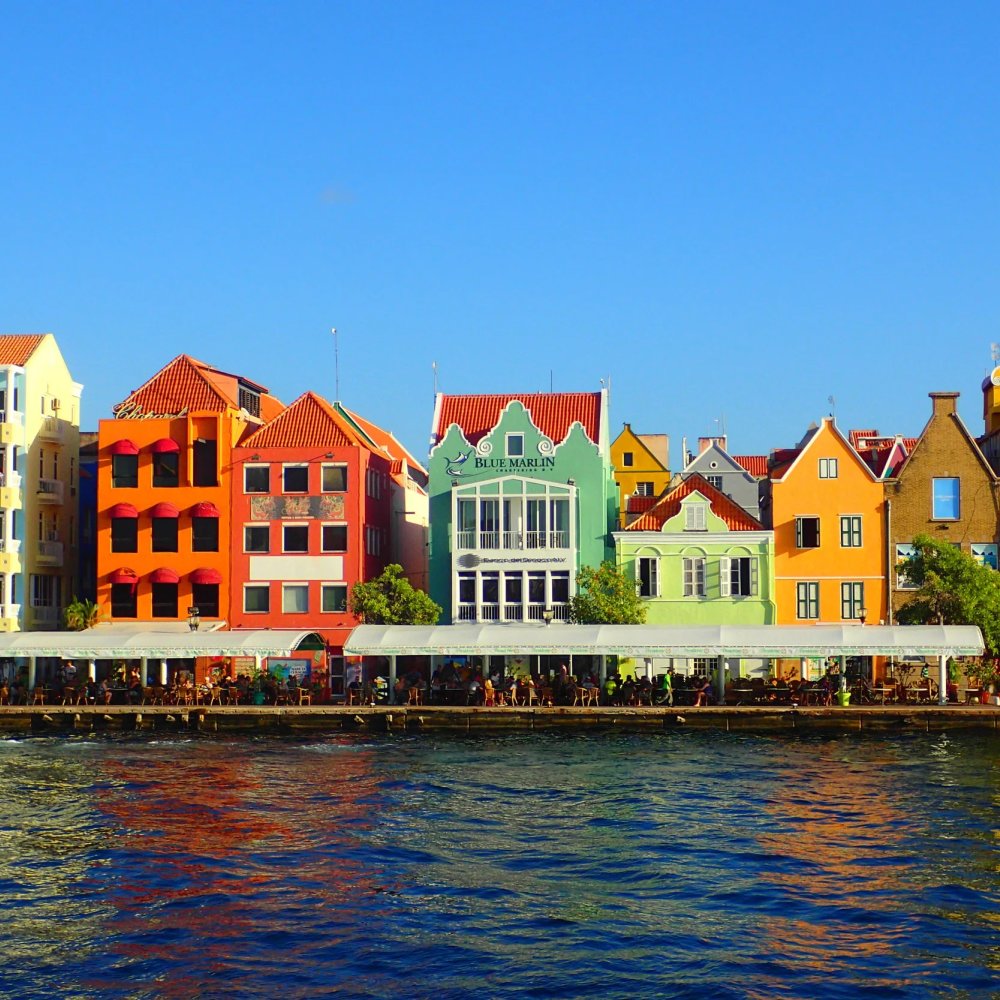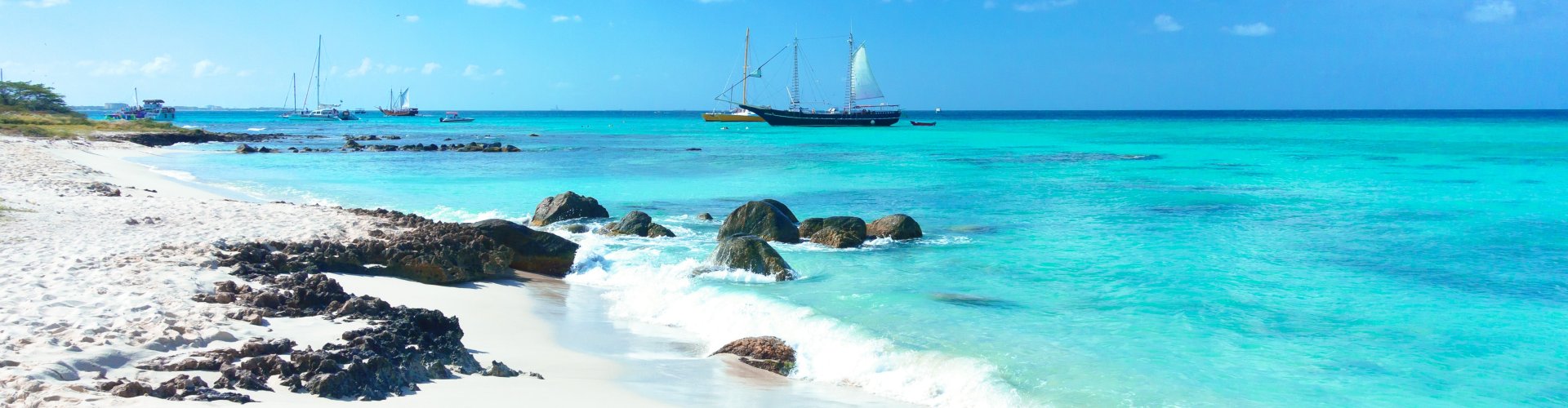
As you step foot on the sun-kissed island of Aruba, the atmosphere immediately hums with a blend of Caribbean warmth and rich historical echoes. The soft crunch of your footsteps on white stucco pathways leads you past brightly coloured Dutch colonial buildings, their facades whispering tales from centuries past. Inside cool, shaded museum halls, the air thickens with stories - artefacts from indigenous peoples, colonial relics, and vibrant art all narrate Aruba’s unique cultural journey. Outside, the salty breeze mingles with the distant sound of Caribbean waves and festive music, inviting you to explore deeper. Here, every corner tells a story - from heritage sites etched in stone to lively cultural districts flourishing with life and authenticity. This is Aruba’s history unfolding before your eyes, making it a must for any cultural traveller.
Quick Facts about Aruba, AW
- Population & Official Language(s): Approximately 112,000; Dutch and Papiamento are official, English and Spanish widely spoken.
- Local Currency & Payment Options: Aruban florin (AWG); US dollars accepted widely; credit/debit cards and mobile payments common.
- Best Seasons for Cultural Sightseeing: April to June and September to November – warm, fewer crowds, perfect for exploring museums and historic sites.
- Airport & Transport: Queen Beatrix International Airport is about 8 km (15 minutes by taxi) from Oranjestad’s historic centre.
- Cheapest Full-Day Public Transport Pass: AWG 12 (€6.40), valid citywide on buses (Aruban Bus Company, April 2025).
- Cappuccino Cost Near Major Museums: Around AWG 9 (€4.80) as of April 2025.
Why Visit Aruba, AW for History & Culture?
Aruba might be famed for its pristine beaches and turquoise waters, but beyond its postcard-perfect coastal scenes lies an enthralling historical landscape that few popular destinations in Aruba, AW, can rival. The island’s story is a captivating mosaic of indigenous Arawak heritage, colonial Dutch influence, African traditions, and multicultural evolution. For travellers eager to delve beyond the surface, Aruba offers an intimate glimpse into a dynamic cultural identity shaped over centuries.
Aruba’s museum scene is surprisingly rich and varied given the island’s size - each institution offers a focused narrative that’s both educational and accessible. Whether wandering through restored plantations, indigenous archaeological sites, or galleries showcasing Afro-Caribbean art, you will encounter layers of history intimately tied to broader regional and global currents. The architectural mix further enhances this experience, with historic forts, classic windmills, and charming colonial districts inviting exploration.
A 2–3 day cultural visit is ideal to cover the must-see sights Aruba, AW holds dear. It allows you to balance immersive museum visits with leisurely strolls through historic areas, absorbing the atmosphere without feeling rushed. The island’s manageable size ensures efficient sightseeing - no lost hours in transit - which is perfect for a weekend trip to Aruba, AW. Whether you are a history buff or a casual culture seeker, Aruba’s blend of heritage and hospitality beckons richly.
Top 10 Must-See Museums & Historical Sites
- Archaeological Museum of Aruba: Displays artefacts revealing Arawak indigenous culture dating back over a thousand years - insightful and engaging.
- Horse Mill Museum (Museo Arubano): See the preserved 19th-century horse-driven mill machinery reflecting Aruba’s agricultural past and innovations.
- Fort Zoutman and Willem III Tower: The island’s oldest structure (1798) anchors Oranjestad’s historic core, now hosting a history museum with colonial artefacts.
- Alto Vista Chapel: Built in 1750, this charming yellow chapel is Aruba’s spiritual landmark with panoramic views reflecting its colonial missionary era.
- Donkey Sanctuary: Beyond being a sanctuary, it narrates the vital role donkeys played in Aruba’s agricultural history and daily life.
- National Archaeological Park (Arikok Park): Open-air site showcasing indigenous rock art, petroglyphs, and ruins nestled within Aruba’s nature reserve.
- California Lighthouse: A historic beacon guiding mariners since 1914, providing stunning vistas and maritime heritage stories.
- Wilhelmina Park and Oranjestad Waterfront: A historic promenade featuring Dutch colonial architecture, perfect for an atmospheric cultural walk.
- House of Seilhamer: A restored 19th-century merchant’s house vividly illustrating colonial lifestyle, located in the heart of Oranjestad.
- Natural Bridge Ruins: Though the original bridge collapsed, nearby remains and interpretative displays tell stories of Aruba’s geological history and early tourism.
Price & Time Grid: Museums & Landmarks at a Glance
| Site | Adult Ticket (€) | Avg Visit Time | Skip-the-Line Option | Nearest Metro/Tram Stop |
|---|---|---|---|---|
| Archaeological Museum of Aruba | 5 | 1 hr | Available | Gondola Station |
| Horse Mill Museum | 3 | 45 min | No | Fort Square |
| Fort Zoutman & Willem III Tower | 4 | 1 hr | Available | Old Town |
| Alto Vista Chapel | Free | 30 min | Not applicable | Bus Stop 10 |
| Donkey Sanctuary | Donations | 1 hr | No | Aruba Zoo Stop |
| National Archaeological Park | 7 | 1.5 hrs | No | Arikok Park Entrance |
| California Lighthouse | Free | 30 min | Not applicable | Boat Pier |
| Wilhelmina Park & Waterfront | Free | 1 hr | Not applicable | Wilhelmina Square |
| House of Seilhamer | 5 | 45 min | No | Market District |
| Natural Bridge Ruins | Free | 30 min | Not applicable | Visitors’ Centre |
This concise grid enables you to quickly prioritise your cultural adventure, balancing ticket costs against time. Many top attractions Aruba, AW offer free entry or modest fees with optional skip-the-line choices at larger sites like Fort Zoutman. The proximity of metro-like tram stops and bus stations means your itinerary will remain seamless, supporting a smooth 48-hour guide Aruba, AW experience.
Historic Neighbourhood Snapshots
Oranjestad’s Colonial Heart
Oranjestad combines charming Dutch colonial architecture painted in pastel hues with modern vibrancy. Cobbled streets lead you past historic forts and museums, where the juxtaposition of old-world charm and bustling street markets evokes the island’s mercantile past. Art galleries nest alongside cafés serving strong Caribbean coffee, creating a perfect synthesis of history and daily life.
San Nicolaas’s Cultural Renaissance
Once Aruba’s oil refinery town, San Nicolaas has reinvented itself into a lively cultural hotspot. Murals and street art narrate local stories of resistance and identity. Here inventive galleries and community museums honour Afro-Caribbean heritage, reflecting a spirited pulse distinct from the capital but equally essential to Aruba’s cultural tapestry.
Savaneta and Indigenous Roots
This quiet fishing village offers a profound connection to Aruba’s indigenous beginnings. Low-slung homes and fishing boats frame serene views, while nearby archaeological parks and rock art sites bring you close to the island’s Arawak past, often overlooked by mainstream tourists. It’s a soul-refreshing district for history lovers seeking authenticity.
Noord and the Plantation Legacy
The north’s tranquil, windswept landscape hosts restos of historical plantations and windmills. Here, gentle trails guide you through banana groves and scant ruins narrating stories of colonial agriculture and local ingenuity. The area’s slightly off-the-beaten-path vibe offers a welcome contrast to busier tourism hubs.
Hidden Museums & Cultural Gems
- Kibrahacha Museum: A small but vibrant cultural centre dedicated to the island’s music and dance traditions.
- Artisanal Goldsmith Workshop: An intimate studio showcasing traditional Aruban jewellery craft and offering hands-on demonstrations.
- Casa del Arte Latinoamericano: An edgy gallery exhibiting Latin American artists with strong ties to Aruba’s cultural crossroads.
Getting Around the Historic City
Aruba does not have a metro or tram system, but its efficient, affordable public buses connect historic sites with major towns and the airport. Routes run frequently, ideal for budget-conscious cultural travellers. A full-day bus pass offers excellent value, letting you hop on and off at your leisure during your weekend trip to Aruba, AW.
Walking is arguably the best way to appreciate Oranjestad’s historic heart and waterfront. The compact layout invites leisurely strolls where every detour reveals unexpected heritage spots, cafés or artisan stalls. Well-marked pedestrian routes guide you safely through busy streets and quieter alleys alike.
For reaching more remote historic areas, such as Alto Vista Chapel or the National Archaeological Park, local taxis and rental scooters offer flexible options. Booking guided tours also enriches the experience with local insights and smooth logistics.
Remember to plan your day with transport times included; during peak tourist months, buses can be busy but remain punctual. Early starts maximise museum opening hours, leaving afternoons free for immersive neighbourhood walks.

Money-Saving Tips for Museum Lovers
- Visit museums on their designated free admission days (check in advance); many local institutions offer special discounts for students and seniors.
- Purchase combined tickets that include multiple sites to unlock bundled savings and skip-the-line perks.
- Use public transport passes instead of taxis to reduce daily transit expenses during your Aruba, AW itinerary.
- Look out for cultural festivals with free museum access or guided heritage tours blending entertainment and education.
- Bring reusable water bottles and snacks to avoid pricey museum café purchases, especially during longer visits.
Sample 3-Day Cultural Itinerary
Day 1: Oranjestad’s Colonial and Cultural Core
Begin at Fort Zoutman and Willem III Tower Museum, then explore the Archaeological Museum of Aruba. Lunch at a café on the waterfront followed by a visit to the House of Seilhamer. Stroll through Wilhelmina Park to end the day.
Day 2: Indigenous Roots and Natural Heritage
Morning at the National Archaeological Park within Arikok Park. Head early to Alto Vista Chapel for serene views and reflection. Afternoon visit to the Donkey Sanctuary and finish with sunset at California Lighthouse.
Day 3: Hidden Gems and San Nicolaas Vibes
Explore San Nicolaas’s street art and galleries with a stop at the Casa del Arte Latinoamericano. Visit the Horse Mill Museum mid-afternoon then finish with a cultural walk through Noord’s plantation ruins.
Eight Mistakes Cultural Weekend Travellers Make
- Overpacking the itinerary without allowing time to absorb each museum’s stories; slow down to truly appreciate the island’s history.
- Relying solely on taxis instead of using public transport or walking, missing atmospheric streets and wasting budget.
- Ignoring small, hidden museums and cultural centres that offer deep local insights often missed by typical tours.
- Visiting in high season only; the heat and crowds can detract from authentic experiences.
- Skipping guided tours or audio guides, missing out on rich contextual information that enliven exhibits and sites.
- Not booking skip-the-line tickets in advance at popular museums, resulting in long waits cutting into sightseeing time.
- Ignoring local customs and language nuances; a simple hello in Papiamento goes a long way in enriching interactions.
- Failing to hydrate adequately or wear sun protection during outdoor historical walks, leading to discomfort and shortened visits.
Frequently Asked Questions
What are the must-see sights Aruba, AW in a short visit?
The essentials include Fort Zoutman, Archaeological Museum, Alto Vista Chapel, and California Lighthouse. These spots beautifully cross-section Aruba’s colonial, indigenous, and natural heritage.
How much time should I allocate per museum?
Most museums require 45-90 minutes for a fulfilling visit. Planning extra time for exhibits or guided tours enriches your experience.
Are museums wheelchair accessible?
Many main museums in Aruba, AW have made improvements for accessibility, though some historic buildings may present challenges. It’s best to check directly before visiting.
Can I explore historic districts on foot?
Absolutely. Oranjestad and San Nicolaas are particularly pedestrian-friendly, with many attractions within walking distance of each other.
Call to Action
Your journey through Aruba's rich historical and cultural landscapes awaits - whether it’s your first visit or a returning exploration. Share your stories and tips in the comments, spread the word with fellow travellers, and sign up for our newsletter to receive more inspiring guides tailored for cultural enthusiasts like you. The popular destinations in Aruba, AW are not just places but portals to incredible stories that will stay with you long after your visit.