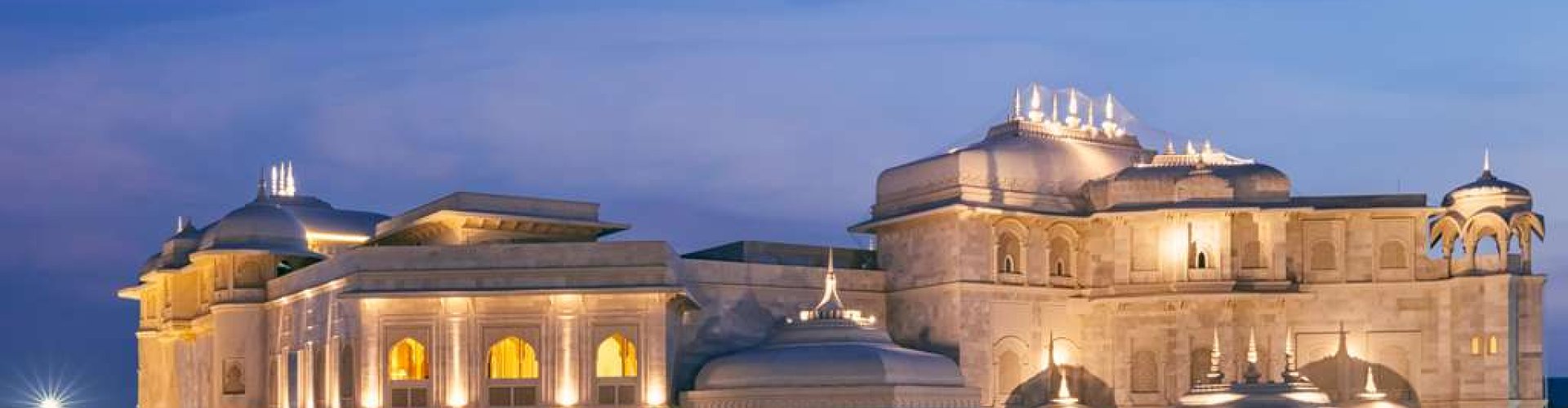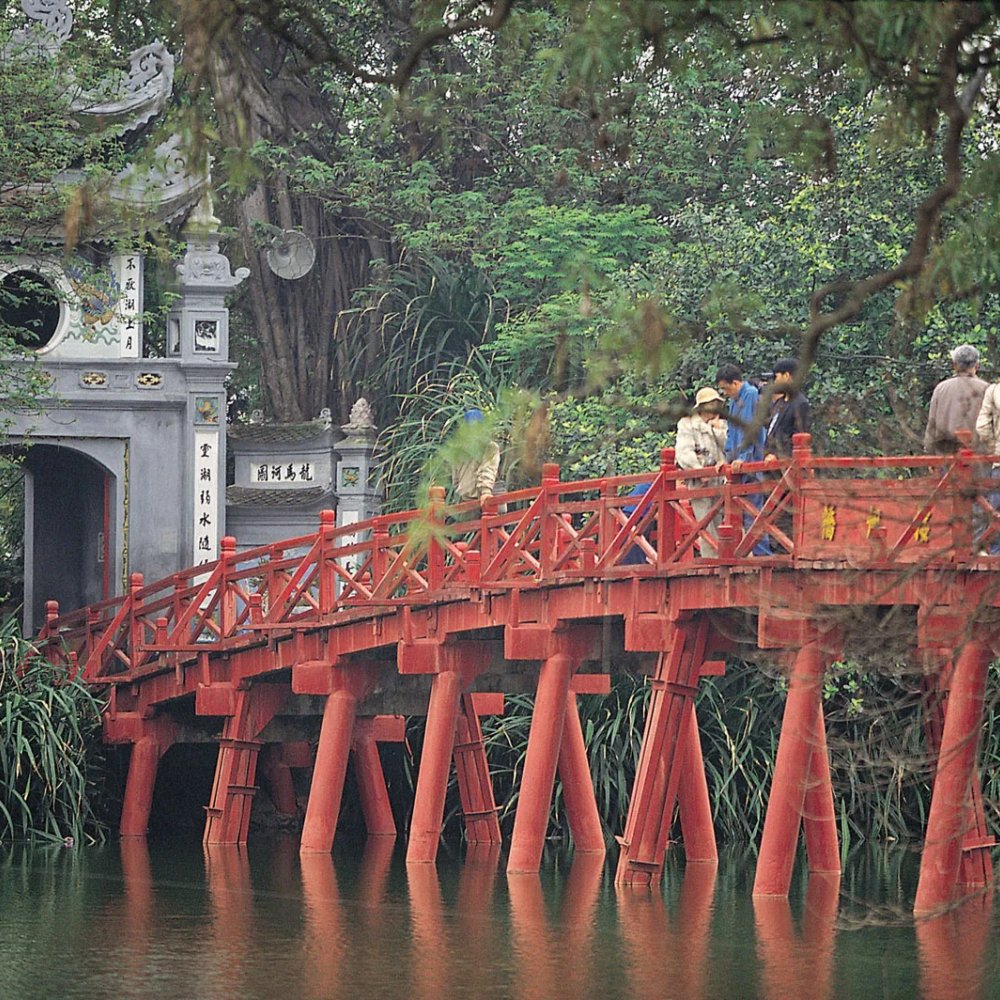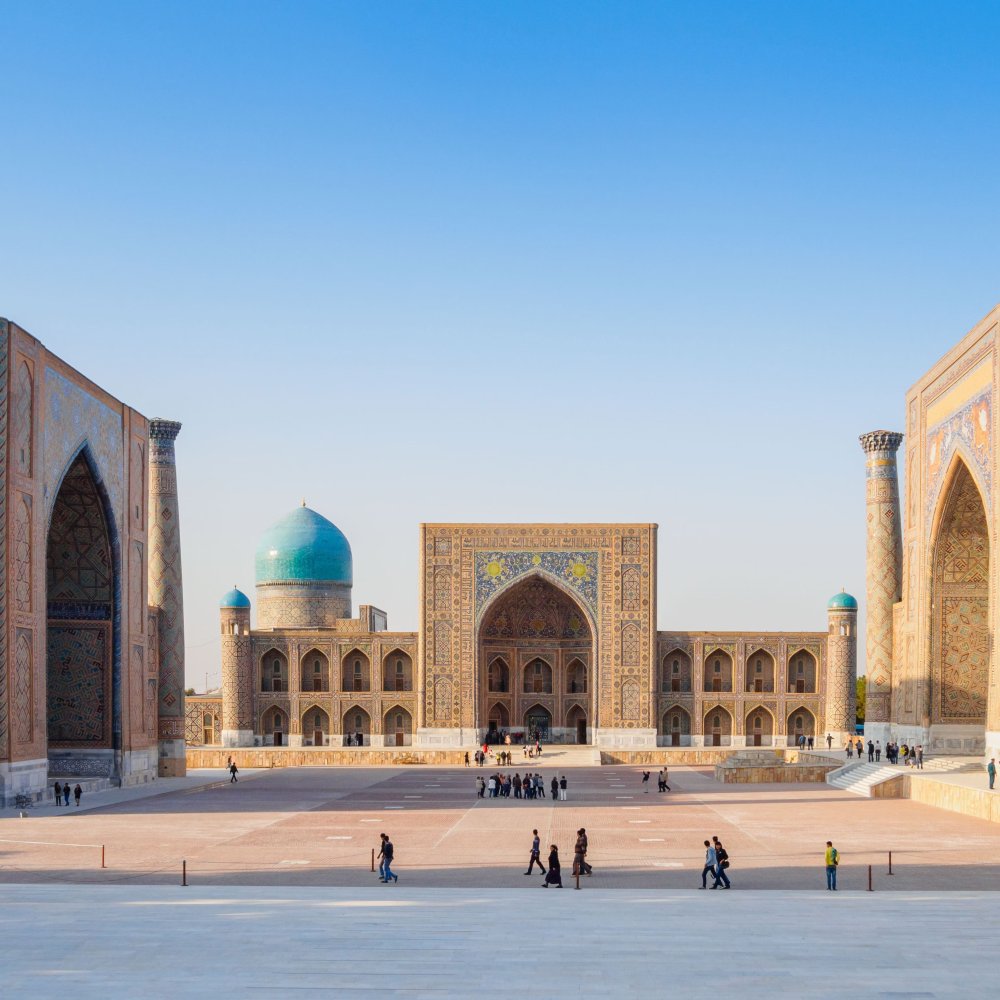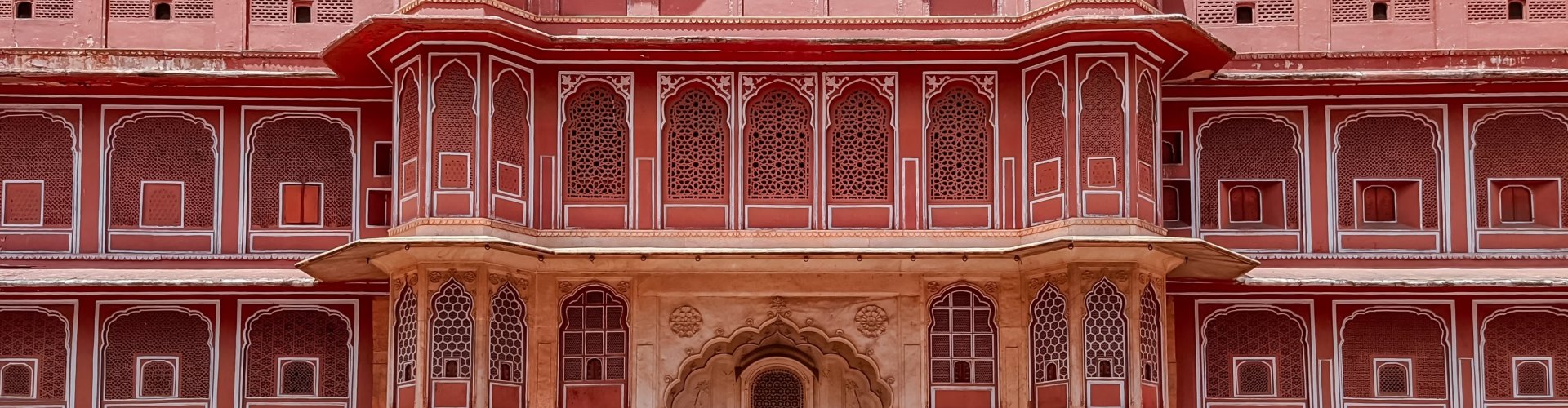
You step into Jaipur, IN, and the city’s vibrant tapestry immediately envelops you. The faint echo of footsteps reverberates through centuries-old palace corridors, their frescoed walls still whispering royal secrets. Outside, the warm spice-scented air dances with the hum of bustling bazaars and the soft chime of temple bells. Here, majestic forts loom in pink sandstone glory while delicate blue pottery glints in artisan shops, all painting a living portrait of heritage. Every corner reveals a new story, every museum treasures artefacts that chronicle Jaipur’s rise from ancient desert hub to cultural beacon. This journey through sights, sounds, and textures invites you to lose yourself in the city’s timeless soul.
Quick Facts about Jaipur, IN
- Population: Approx. 3.7 million | Official Language: Hindi, Rajasthani dialects
- Currency: Indian Rupee (INR); UPI and major cards widely accepted
- Best Seasons: October to March (pleasant weather, moderate crowds)
- Transport Hubs: Jaipur International Airport & Railway Station 13 km from old city
- Public Transport Pass: Full-day bus + local rickshaw pass approx. ₹150 (City Transport Authority, April 2025)
- Cappuccino Cost: ₹180 near museums (checked March 2025)
Why Visit Jaipur, IN for History & Culture?
Jaipur’s reputation as a cultural jewel is well-earned. Founded in 1727 by Maharaja Sawai Jai Singh II, this "Pink City" stands as a vibrant crossroads where Mughal grandeur intersects with Rajput valour and artisan mastery. The city’s history is layered in its UNESCO-listed palaces, commandeering forts, and the distinctive honey-hued architecture that spills across its bazaars and museums alike. For a traveller passionate about museums and history, Jaipur offers a unique harmony between legendary tales and living traditions.
The museums here do more than showcase artefacts; they breathe life into centuries-old stories through royal portraits, ancient manuscripts, textiles, and weaponry, often housed within the very palatial buildings that once shaped political destinies. Beyond the glitz of major landmarks, the city's historical districts unfold with secret shrines, art studios, and craft hubs - offering authentic experiences away from typical tourist trails.
With a well-curated 2–3 day Jaipur, IN itinerary, you can absorb its top attractions Jaipur, IN at a welcoming pace. From grandeur to humble craftsmanship, the city beautifully reveals itself, whether wandering through its museums or tracing its historic city streets. Whether this is your first visit or a repeat immersion, Jaipur rewards curiosity and invites every visitor to become part of its enduring cultural narrative.
Top 10 Must-See Museums & Historical Sites
- City Palace Museum – Explore majestic courtyards, royal armoury, and exquisite miniature paintings housed within the living palace of Jaipur’s Maharajas.
- Albert Hall Museum – Rajasthan’s oldest museum featuring Indo-Saracenic architecture, with remarkable collections of textiles, pottery, and ancient coins.
- Jantar Mantar – A UNESCO World Heritage site, Jaipur’s iconic 18th-century astronomical observatory showcasing remarkable precision instruments.
- Hawa Mahal – The “Palace of Winds” with its honeycomb facade and historical significance as a royal vantage point over city life.
- Amber Fort – Just outside the city, a sprawling complex blending Rajput and Mughal architectural brilliance with stunning views.
- Galtaji Temple Complex – Known as the “Monkey Temple”, this historic site offers serene water tanks and intricate frescoes surrounded by arid hills.
- Rajasthan State Archaeological Museum – Home to an impressive collection of artefacts from the region’s ancient past, including epigraphs and stone sculptures.
- Jawahar Kala Kendra – A centre for arts and crafts with galleries and exhibitions celebrating Rajasthani culture and contemporary art.
- Albert Hall’s Sound & Light Theatre – Experience Jaipur's history through immersive sound and light shows against the illuminated palace backdrop.
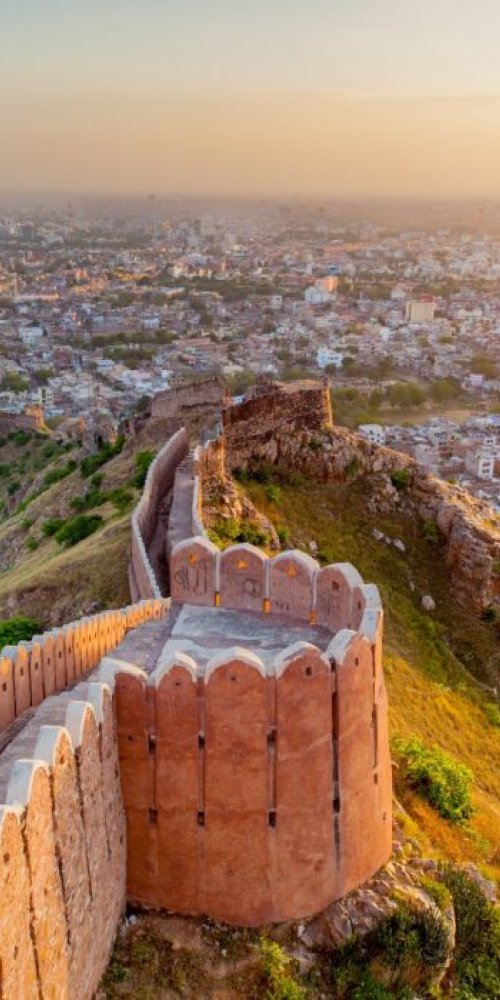
- Nahargarh Fort – Perched on the Aravalli hills, this fort offers sunset panoramas and a glimpse into royal leisure spaces.
Price & Time Grid: Museums & Landmarks at a Glance
| Attraction | Adult Ticket (₹) | Avg. Visit Time | Skip-the-Line | Nearest Metro/Tram Stop |
|---|---|---|---|---|
| City Palace Museum | 700 | 2–3 hrs | Available | Civil Lines Metro |
| Albert Hall Museum | 300 | 1–2 hrs | Available | MI Road Metro |
| Jantar Mantar | 200 | 1–1.5 hrs | Not Available | Hawa Mahal Metro |
| Hawa Mahal | 200 | 45 mins | Not Available | Hawa Mahal Metro |
| Amber Fort | 600 | 3–4 hrs | Available | Amber Road Bus Terminal |
| Galtaji Temple | Free Entry | 1 hr | N/A | Galtaji Bus Stop |
| Rajasthan Archaeological Museum | 250 | 1–1.5 hrs | Not Available | Ajmeri Gate Metro |
| Jawahar Kala Kendra | Free Entry | 1–2 hrs | N/A | Arawali Marg Bus Stop |
| Albert Hall Sound & Light | 350 (Show) | 1 hr | Not Available | MI Road Metro |
| Nahargarh Fort | 200 | 2 hrs | Not Available | Nahargarh Bus Stop |
This table helps you plan your popular destinations in Jaipur, IN efficiently. With a glance, find affordable entry fees, approximate time requirements, and transport convenience. Many cultural travellers prefer combining the City Palace with nearby Jantar Mantar and Hawa Mahal to pack rich history into a half-day. Ambitious weekend trips to Jaipur, IN can easily integrate Amber Fort and Nahargarh Fort on a separate day, leveraging local transport passes to save costs and skip queues where available - guaranteeing a smooth 48-hour guide Jaipur, IN experience rich in diversity and heritage.
Historic Neighbourhood Snapshots
Old City (Pink City)
Stepping into Jaipur's Old City feels like entering a living museum. The winding lanes framed by coral-pink walls frame centuries-old havelis adorned with intricate frescoes. Street vendors call softly, their colourful textiles and jewellery echoing traditions that have flourished here for generations. As markets bustle with aroma and colour, you glimpse artisans crafting the famous blue pottery alongside age-old temples, blending everyday life with timeless history.
Mansagar Lake & Amber Region
North of the city centre lies the serene Mansagar Lake, its waters mirroring the formidable Amber Fort perched high above. Here, history and nature entwine - regal palaces decorated with mosaic work sit beside tranquil gardens designed for royal leisure. As dawn breaks, the pink stones glow golden, inspiring a reflective mood perfect for contemplative exploration beyond the city’s urban hum.
Jhotwara District
Jhotwara offers a quieter narrative, with lesser-known temples and quaint bazaars that retain a distinctive Rajasthani charm. You’ll find artisans specialising in textile weaving and block printing, creating art that preserves Jaipur’s craft heritage. This district invites a slower pace, where you can witness cultural customs mostly untouched by mass tourism.
Civil Lines
Developed during the British colonial era, Civil Lines contrasts Jaipur’s historic core with orderly avenues, colonial bungalows, and leafy parks. Here, museums like the City Palace Museum bridge eras, melding Rajputana splendour with European architectural influences - ideal for visitors seeking diverse layers of Jaipur’s evolving story.
Hidden Museums & Cultural Gems
- Anokhi Museum of Hand Printing: Dedicated to the art of traditional block printing, this quiet museum presents interactive exhibits and workshops on Jaipur’s celebrated textile craft.
- Viratnagar Archaeological Museum: A small but fascinating museum near Jaipur, featuring excavations and artefacts from the ancient city of Viratnagar, enriching the historical context beyond the city limits.
- Rajasthan State Museum of Folk Art and Craft: Focused on rural and folk traditions, this lesser-known museum houses puppetry, masks, and ritual objects illustrating Rajasthan’s diverse cultural tapestry.
Getting Around the Historic City
Metro: Jaipur’s pink line metro connects key areas like Civil Lines and MI Road, offering quick access to some top attractions Jaipur, IN. It’s efficient and affordable for short hops.
Trams / Buses: Public buses and local trams cover the historic centre and outskirts, though routes may be confusing for first-timers. Day passes provide good value but prepare for crowded rides during peak hours.
Walking Routes: The compact Old City is best explored on foot. Strolling between Hawa Mahal, City Palace, and Jantar Mantar unfolds layers of history accessible only by wandering through narrow alleys.
Transport Passes: Single-day transport cards allow unlimited XCity buses and select rickshaw rides for approx ₹150. These are essential for smooth logistics in your weekend trip to Jaipur, IN.
Money-Saving Tips for Museum Lovers
- Purchase combined tickets where available, especially for the City Palace complex and nearby museums.
- Visit on weekdays or early mornings to avoid peak pricing and crowds.
- Use local transport passes instead of taxis, which can inflate your itinerary budget.
- Look out for student or senior citizen discounts, applicable even for international visitors with valid ID.
- Bring a reusable water bottle and snacks to avoid pricey museum cafés, keeping costs low during your 48-hour guide Jaipur, IN schedule.
Sample 3-Day Cultural Itinerary
- Day 1: Morning at City Palace Museum and Jantar Mantar; Afternoon exploring Hawa Mahal and stroll through the Pink City markets.
- Day 2: Full day excursion to Amber Fort and Nahargarh Fort; Evening at Galtaji Temple complex for a tranquil sunset experience.
- Day 3: Morning visit to Albert Hall Museum and Rajasthan State Archaeological Museum; Afternoon discovering hidden gems like Anokhi Museum and Jawahar Kala Kendra’s art galleries.
Eight Mistakes Cultural Weekend Travellers Make
- Overpacking activities into one day, rushing through the top attractions Jaipur, IN rather than savouring them.
- Skipping lesser-known museums, missing out on authentic cultural layers off the beaten path.
- Ignoring opening hours and holiday closures - plan in advance to avoid disappointment.
- Underestimating Jaipur’s summer heat; pack water and schedule outdoor visits for mornings or late afternoons.
- Taking taxis over public transport, leading to inflated expenses and traffic delays.
- Not buying advance or skip-the-line tickets for popular sites, causing long waits.
- Missing evening sound and light shows that enrich the historical experience creatively.
- Failing to balance museum visits with walking tours for a truly immersive Jaipur, IN itinerary.
Frequently Asked Questions
What is the best time to visit Jaipur for a 2–3 day cultural itinerary?
October through March offers pleasant temperatures and manageable tourist crowds, making it ideal for exploring Jaipur’s popular destinations comfortably.
Are skip-the-line tickets necessary for the City Palace Museum?
While not mandatory, purchasing skip-the-line options saves time, especially during peak seasons or weekends when queues can exceed an hour.
How much time should I allocate to the Amber Fort?
Plan at least three hours to fully explore Amber Fort’s sprawling courtyards, museum exhibits, and enjoy panoramic views.
Is walking the best way to explore Jaipur’s historic centre?
Yes, walking unveils hidden courtyards and street art inaccessible by vehicle, enriching your weekend trip experience with local life.
Ready to Explore Jaipur’s Rich Heritage?
Now that you have this 48-hour guide Jaipur, IN brimming with must-see sights, hidden gems, and expert tips, your perfect weekend trip awaits. Share your discoveries, ask questions, and join our newsletter for more global cultural journeys. Embrace every moment in Jaipur - the city where history lives in vivid colour and sound.