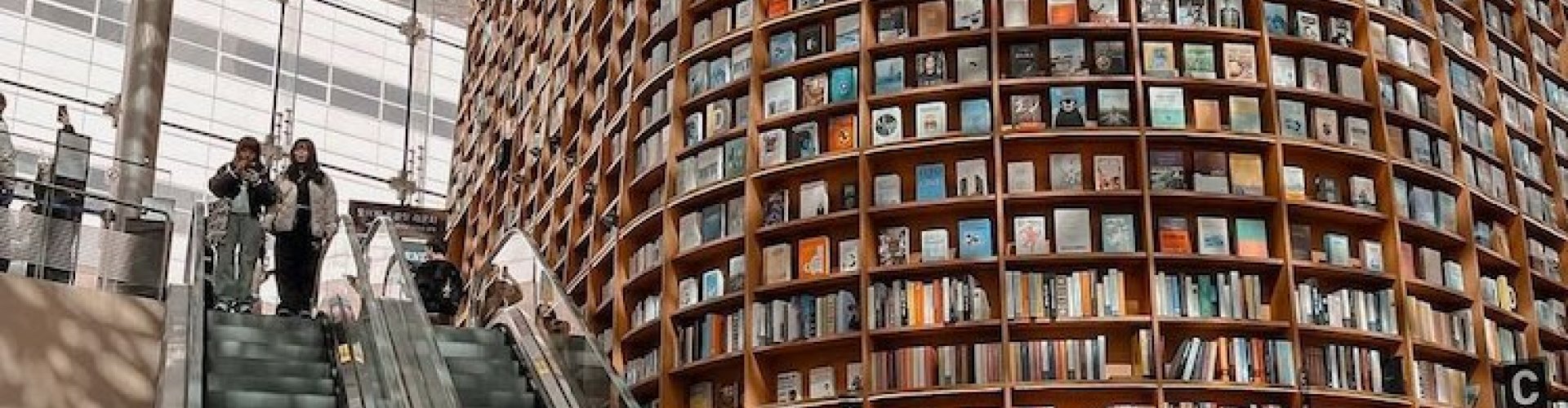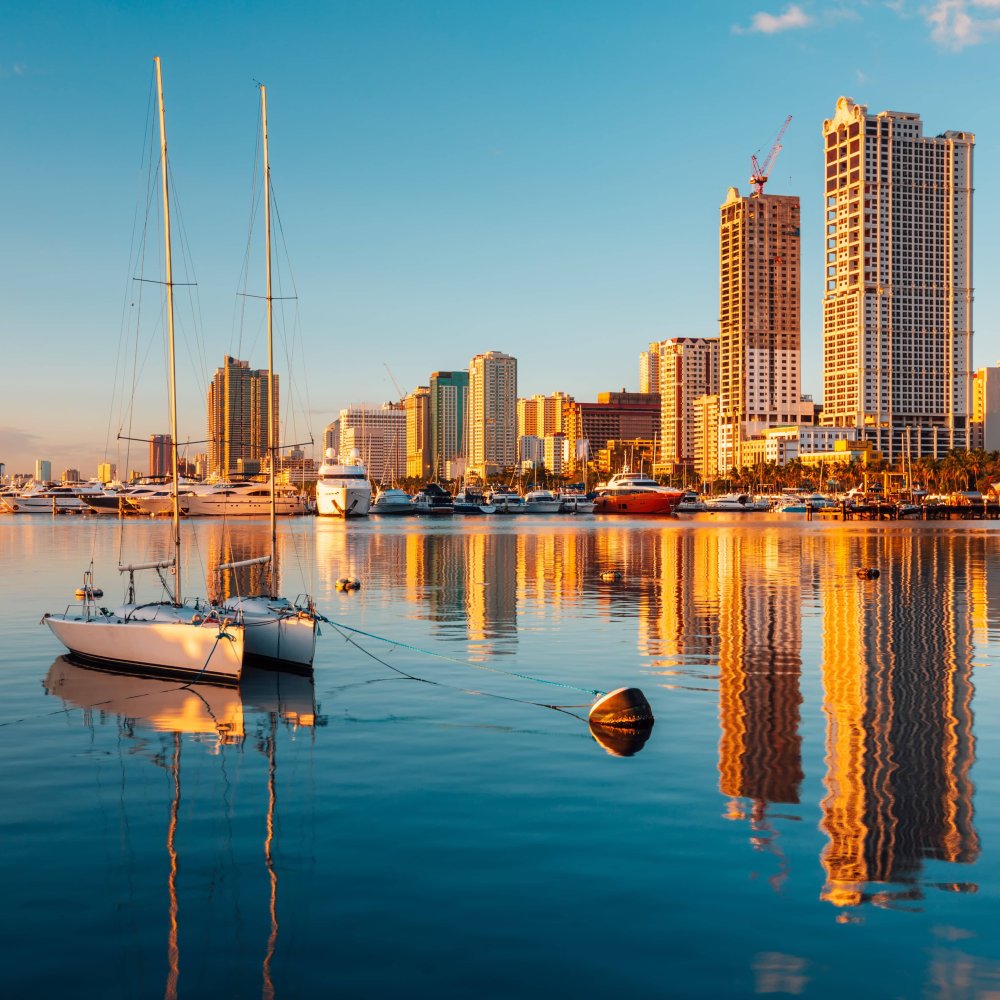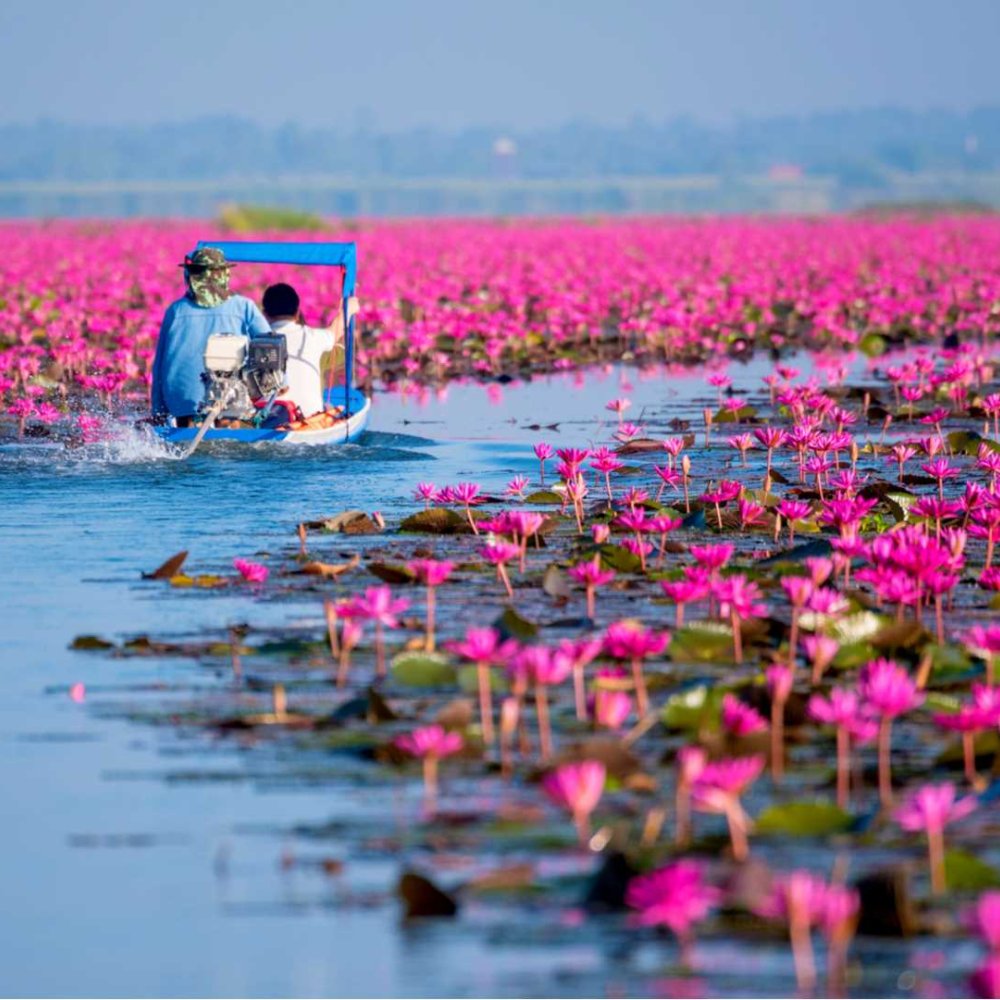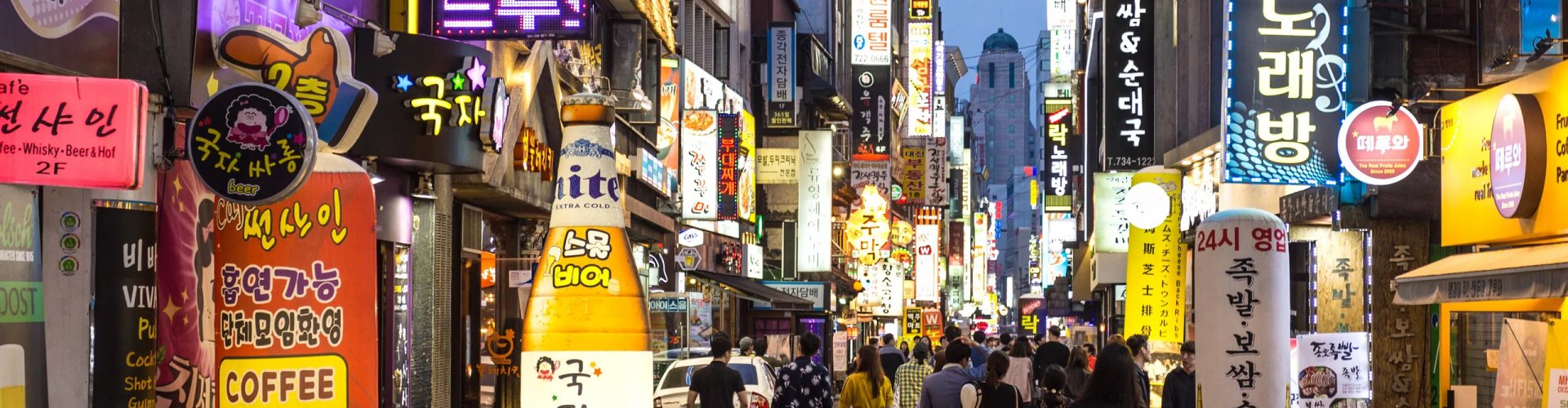
Imagine stepping into Seoul, KR, where the air vibrates with whispers of dynasties past, the murmur of crowds mingling with temple bells, and the soft echo of footsteps along palace corridors woven with centuries-old secrets. The city’s textured landscape, from gleaming glass towers to ancient hanok villages, invites you to witness its layered history firsthand. Museums housing royal artefacts collide visually with lively cultural districts where tradition dances alongside modernity. The scent of ink and paper from museum exhibits hangs faintly in the air, while vibrant street scenes offer bursts of colour and energy. In Seoul, every corner tells a story, waiting for you to explore its timeless charm through popular destinations in Seoul, KR.
Quick Facts
- Population & Official Language(s): Around 9.7 million; Korean (Hangul)
- Local Currency & Payment Options: South Korean Won (KRW); widely accepted cashless payments include KakaoPay, Naver Pay, and credit cards
- Best Seasons for Cultural Sightseeing: Spring (April–June) and Autumn (September–November) offer mild weather and moderate crowds, ideal for exploring open-air heritage sites
- Airport / Main Station Distance to Historic Centre: Incheon International Airport approx. 48 km; Seoul Station about 1 km from central historic sites
- Cheapest Full-Day Public Transport Pass: KRW 4,500 (approx. €3.20), Seoul City Pass (Seoul Transportation Corporation, April 2025)
- Typical Cost of a Cappuccino Near Major Museums: KRW 5,000–6,000 (~€3.50–4.20) as of April 2025
Why Visit Seoul, KR for History & Culture?
Seoul, KR, is a city where old and new coalesce into a captivating historical mosaic, making it a dream destination for museum buffs and culture lovers alike. Rooted in over two millennia of dynastic history, the city’s historical fabric is embodied in its extensive palaces, traditional neighbourhoods, and meticulously preserved artefacts. Museums here don’t just house relics; they preserve the soul of Korea’s past - ranging from the grandeur of the Joseon Dynasty to the complexities of modern Korea’s rebirth.
Architectural marvels span centuries: from the intricate wooden eaves of Gyeongbokgung Palace to the avant-garde glass and steel of the National Museum, each venue offers a unique sensory journey. The heritage districts like Bukchon Hanok Village and Insadong remain vibrant canvases preserving traditional Korean life amid an ultra-modern cityscape. Visitors often find these sites evocative and grounding, creating meaningful moments that bring history to life.
Such a rich tableau makes a 2–3 day cultural trip an ideal way to immerse yourself fully without rush. Whether you’re tracing the path of ancient scholars or reveling in groundbreaking contemporary art and installations, Seoul’s popular destinations provide a finely balanced blend of education, inspiration, and discovery. This destination is perfect for those craving a quality cultural experience wrapped in a colourful weekend trip to Seoul, KR.
Top 10 Must-See Museums & Historical Sites
- National Museum of Korea: Korea’s largest museum offers an extensive chronicle of the nation’s history through priceless artefacts, royal treasures, and rotating exhibitions in a spacious modern setting near Yongsan.
- Gyeongbokgung Palace: The main royal palace built in 1395 presents lavish architecture, guided tours, and the ceremonial changing of the guard, a visual spectacle steeped in dynastic tradition.
- Bukchon Hanok Village: Wander lanes lined with traditional hanok houses offering a living museum experience that showcases Seoul’s preserved historical neighbourhoods.
- Changdeokgung Palace & Huwon Secret Garden: A UNESCO World Heritage Site renowned for its exceptional garden landscaping and harmonious design between nature and architecture.
- Seodaemun Prison History Hall: A sobering museum preserving the site where independence activists were imprisoned during the Japanese colonial period.
- Leeum, Samsung Museum of Art: A sophisticated space blending traditional Korean art and contemporary pieces, housed in innovative architecture designed by world-renowned architects.
- National Folk Museum of Korea: Located within the Gyeongbokgung grounds, offering immersive exhibits on Korean folk culture and everyday life throughout history.
- War Memorial of Korea: An expansive complex documenting Korea’s military history, with indoor and outdoor exhibits including tanks, aircraft, and war memorabilia.
- Insadong Street and Galleries: A cultural hub for traditional crafts, antique shops, tea houses, and galleries, making it an essential stop for authentic Korean artistry.
- Jongmyo Shrine: The royal ancestral shrine offering tranquil surroundings and ritual ceremonies connecting visitors to Korea’s Confucian heritage.
Price & Time Grid: Museums & Landmarks at a Glance
| Site | Adult Ticket (€) | Avg Visit Time | Skip-the-Line | Nearest Metro/Tram Stop |
|---|---|---|---|---|
| National Museum of Korea | Free | 2–3 hrs | No | Ichon |
| Gyeongbokgung Palace | ~3 | 1.5–2 hrs | Yes | Gyeongbokgung |
| Bukchon Hanok Village | Free | 1 hr | N/A | Anguk |
| Changdeokgung Palace | ~3 | 2 hrs | Yes | Anguk |
| Seodaemun Prison History Hall | ~2 | 1.5 hrs | No | Seodaemun |
| Leeum, Samsung Museum of Art | ~7 | 1.5 hrs | Yes | Hangangjin |
| National Folk Museum of Korea | Free | 1 hr | No | Gyeongbokgung |
| War Memorial of Korea | Free | 2 hrs | No | Samgakji |
| Insadong Street | Free | 1–2 hrs | N/A | Anguk |
| Jongmyo Shrine | ~2 | 1 hr | No | Jongno 3-ga |
While many of the top attractions Seoul, KR offers are free or modestly priced, skipping the line at popular palaces and museums like Gyeongbokgung or Leeum can optimise your sightseeing time on a weekend trip to Seoul, KR. Average visit times range from one to three hours, allowing a well-paced itinerary for your 48-hour guide Seoul, KR or extended cultural sojourn.
Historic Neighbourhood Snapshots
Bukchon Hanok Village
The cobbled alleys of Bukchon whisper tales of noble families and artisans who lived here centuries ago. This area’s carefully preserved wooden hanok houses with tiled roofs lend a tangible sense of Korea’s architectural history. The village’s position atop a ridge offers scenic views of modern Seoul below, highlighting the extraordinary blend of past and present. Meandering here at dawn gives a quiet, reflective start to your cultural itinerary.
Insadong
Buzzing with vibrant energy yet steeped in tradition, Insadong is the artistic heartbeat of Seoul. Galleries, calligraphy shops, and traditional teahouses make it perfect for those wanting to explore Korean crafts and historical artistry beyond the big museums. Don’t miss the weekend street markets, where you can pick up rare antiques and artisanal souvenirs.
Jongno District
As the cradle of Seoul’s history, Jongno is home to essential landmarks such as the royal palaces, Jongmyo Shrine, and centuries-old markets. Walking here feels like traveling back in time, with every alley and shrine echoing Korea’s dynastic heritage. It’s an area that invites lingering exploration to uncover hidden stories and rituals still alive today.
Hidden Museums & Cultural Gems
- Lock Museum: A quirky yet fascinating collection showcasing traditional Korean locks, keys, and security devices, blending craftsmanship with history.
- Ilmin Museum of Art: Located near Gwanghwamun, this small museum focuses on Korean modern art, offering unique insights often missed by mainstream tourists.
- GANSO Takju Hall: A cultural space dedicated to Korea’s traditional rice wines, featuring historical exhibits and tastings - a cultural experience beyond conventional museums.
Getting Around the Historic City
The Seoul Metro is the backbone for accessing your top attractions Seoul, KR, with clean, efficient lines connecting major museums and historic sites. The subway system runs from early morning until midnight, making it ideal for a packed cultural itinerary. Trams and local buses complement metro services, offering more scenic or convenient routes to district gems like Bukchon and Insadong.
Walking remains one of the best ways to truly absorb the atmosphere in historic areas such as Jongno and the palace districts. Many roads are pedestrian-friendly with informative plaques and maps available at major sites.
For a hassle-free experience, purchase a full-day transport pass or a T-money card for seamless tap-and-go access across buses, metro, and even taxis. These passes help you make the most of a weekend trip to Seoul, KR without worrying about individual tickets or language barriers.
Planning a mix of walking and public transport will ensure you maximise your time visiting must-see sights Seoul, KR, especially when following a 48-hour guide Seoul, KR itinerary packed with diverse experiences.
Money-Saving Tips for Museum Lovers
- Visit museums on free-admission days, often the first Wednesday or weekend of the month.
- Purchase combined tickets for palaces such as Gyeongbokgung, Changdeokgung, and Changgyeonggung to save up to 30%.
- Use the T-money card for all transport and some museum discounts - reloadable and easy to top up at kiosks.
- Plan your visits on weekdays or early mornings to avoid crowds and enjoy discounted entry.
- Check local cultural centres and university galleries for free or low-cost exhibitions on contemporary Korean art.
Sample 3-Day Cultural Itinerary
Day 1: Royal Heritage & Traditional Streets
- Morning: Gyeongbokgung Palace and National Folk Museum.
- Lunch: Traditional Korean fare near Gwanghwamun Plaza.
- Afternoon: Bukchon Hanok Village walk, ending at Insadong for art galleries and tea.
Day 2: History, Art, and War Memory
- Morning: National Museum of Korea – explore comprehensive collections.
- Lunch: Cafes close to Yongsan station.
- Afternoon: War Memorial of Korea followed by Leeum, Samsung Museum of Art.
Day 3: Cultural Reflections & Hidden Corners
- Morning: Changdeokgung Palace and Huwon Secret Garden tour.
- Lunch: Street food at nearby local markets.
- Afternoon: Seodaemun Prison History Hall and a visit to smaller gems like the Lock Museum.
Eight Mistakes Cultural Weekend Travellers Make
- Overpacking the itinerary with too many sites, leaving no room for immersive experiences.
- Ignoring public transport passes and buying single-trip tickets repeatedly, inflating travel costs.
- Skipping guided tours or audio guides, thus missing valuable historical context.
- Visiting popular attractions only at peak times, leading to long queues and rushed visits.
- Neglecting to explore traditional neighbourhoods where authentic culture thrives beyond big museums.
- Failing to plan for weather variations impacting outdoor sites in spring or autumn.
- Relying solely on digital maps without understanding the local layout, losing time navigating.
- Not budgeting for museum café breaks, which are often the perfect spots to reflect amid cultural treasures.
Frequently Asked Questions
What is the best time of day to visit Seoul’s palaces?
Early mornings right at opening are ideal to enjoy quieter spaces and cooler temperatures, especially in spring and autumn.
Are English language guides available at major museums?
Yes, most major museums and historic sites provide English audio guides or printed materials to enhance your visit.
Can I buy combined tickets for multiple historical sites?
Yes, combined admission is available for Gyeongbokgung, Changdeokgung, and Changgyeonggung palaces, offering a cost-effective option.
Is Seoul pedestrian-friendly for exploring historic districts?
Absolutely. Areas like Bukchon and Jongno are best explored on foot to soak in the atmosphere fully and discover hidden gems.
Discover Seoul’s Cultural Heartbeat
Embarking on a weekend trip to Seoul, KR, lets you unravel a city where history flourishes at every corner, from grand palaces to charming neighbourhoods. The popular destinations in Seoul, KR provide a perfect introduction to the city’s complex yet inviting cultural identity. Share your experiences, bookmark this guide, and sign up for our newsletter to dive deeper into Asia’s most thrilling cultural capitals.