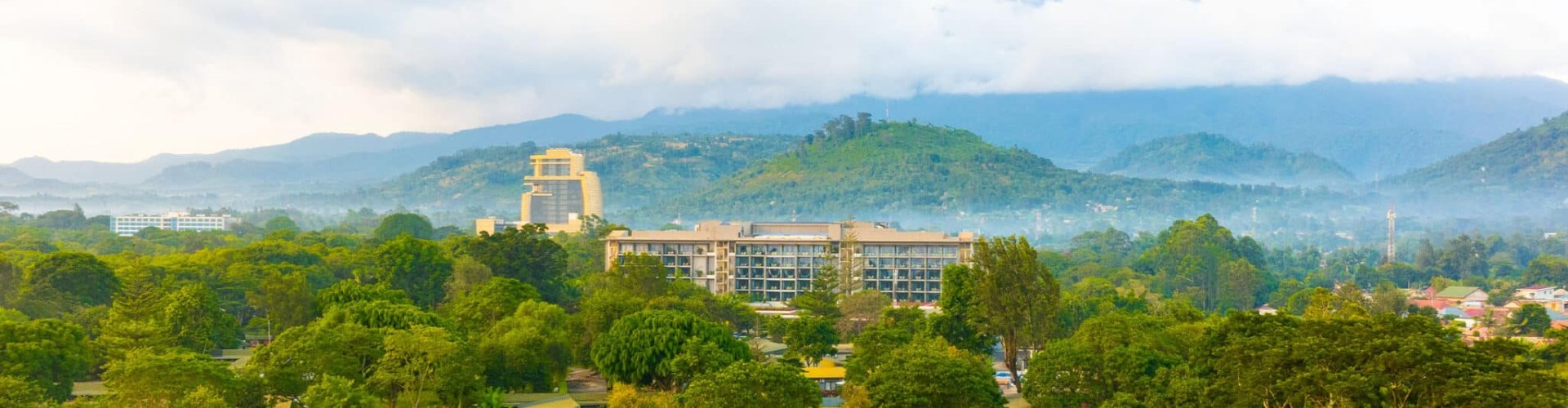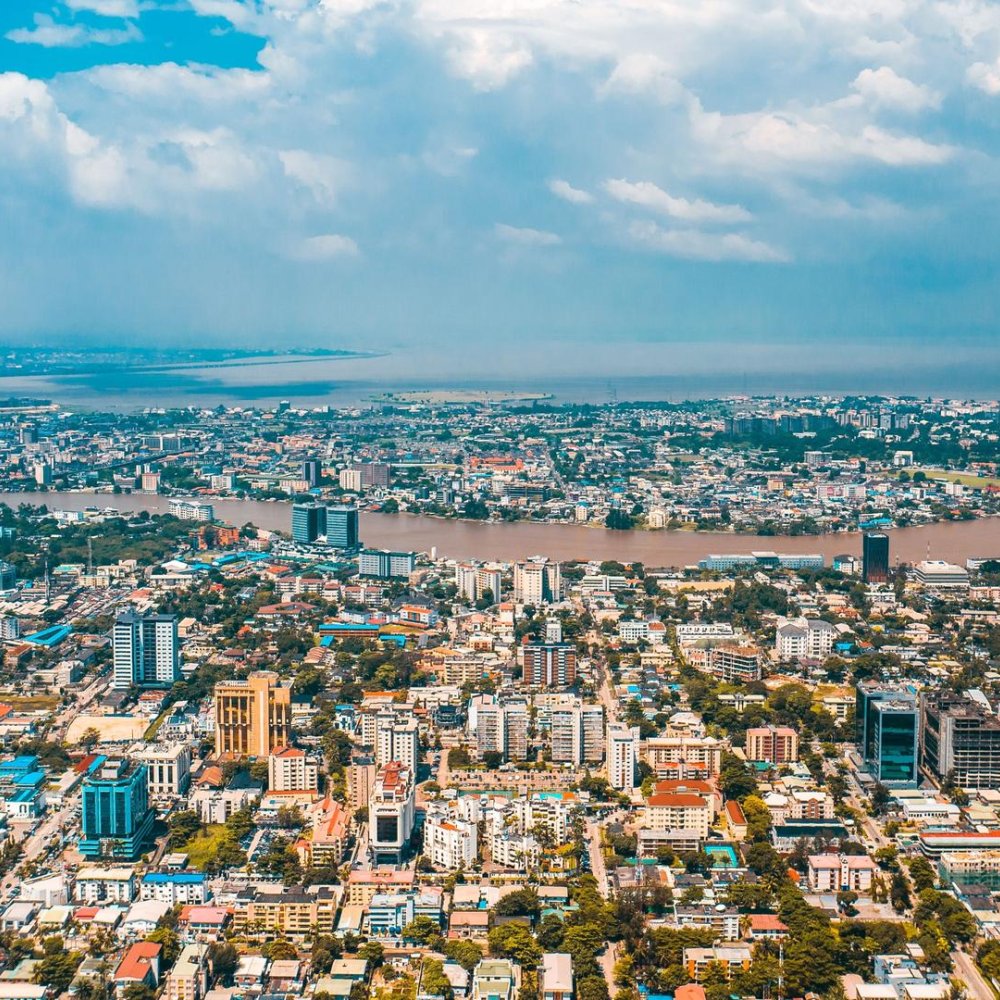
As you step into Arusha, TZ, the air buzzes faintly with vibrant markets and distant drums, a prelude to centuries of stories awaiting your discovery. The echo of footsteps reverberates softly through timeworn museum corridors, where ancient artefacts and tribal crafts whisper legends of East Africa’s layered past. In the city’s historic heart, colonial-era architecture stands side-by-side with contemporary Maasai murals, creating a visual dialogue that invites you to explore deeper. Here, each corner promises a sensory blend of cultural textures - from stone carvings to the earthy scent of age-old craftsmen’s studios, the city’s living heritage unfolds, beckoning every visitor to immerse themselves fully in Arusha’s unique narrative.
Quick Facts: Arusha, Tanzania
- Population & Official Languages: Approximately 416,000 inhabitants; Swahili and English are the official languages (National Statistics Bureau, June 2023)
- Currency & Payment: Tanzanian Shilling (TZS); mobile money like M-Pesa and Airtel Money widely accepted alongside cashless card payments
- Best Seasons for Cultural Sightseeing: June to October (dry, cooler months ideal for outdoor walks and lighter crowds)
- Transport Links: Kilimanjaro International Airport is 45 km from the historic centre (~1 hour drive)
- Public Transport Pass: Cheapest full-day bus pass about TZS 3,000 (~€1.10; City Transport Authority, Feb 2024)
- Cappuccino Cost: Around TZS 7,000 (€2.60) near major museums (coffee shops checked February 2024)
Why Visit Arusha, TZ for History & Culture?
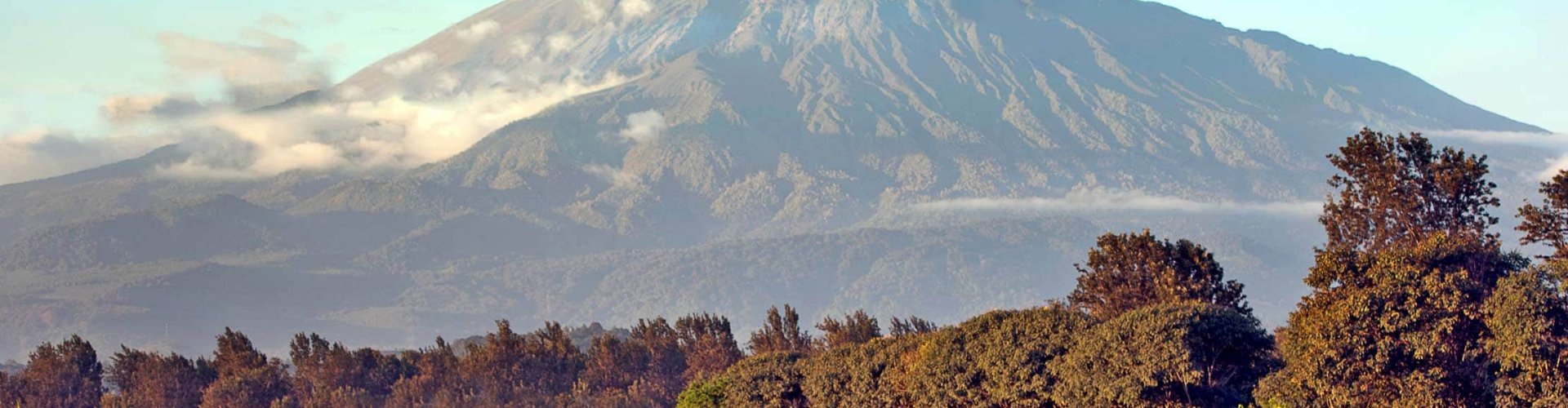
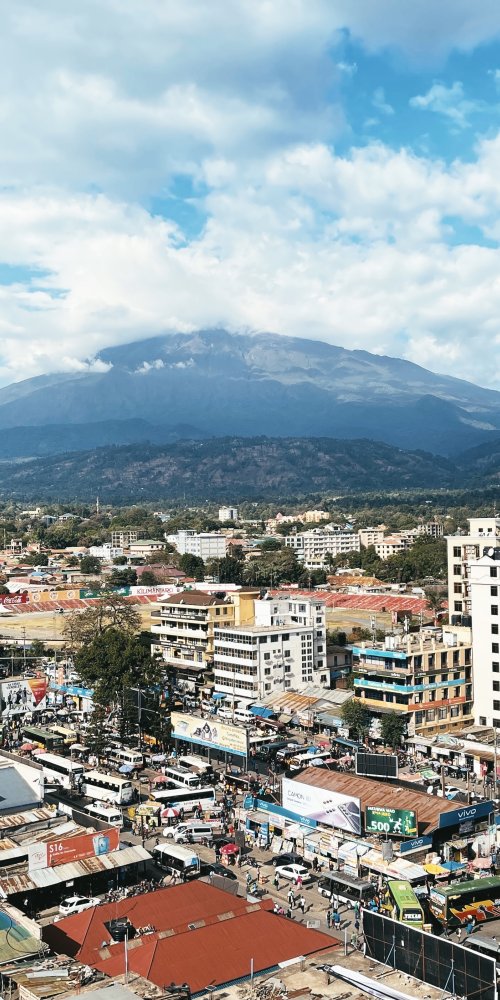
Nestled at the foot of Mount Meru, Arusha is more than just a gateway to Tanzania’s famed national parks; it is a vibrant cultural nexus rich in history and tradition. Its museums chronicle the land’s ancient hominid discoveries and tribal legacies, while its eclectic streets showcase the interwoven narratives of colonial, indigenous, and modern African life. In a compact city space, you encounter everything from Maasai beadwork displays and traditional song performances to art galleries celebrating contemporary Tanzanian voices. This blend of past and present lends itself superbly to a 2–3 day cultural visit, giving you ample scope to absorb the historic aura without feeling rushed. Whether you’re captivated by archaeological finds, eclectically restored buildings from the German colonial era, or dynamic local craft markets, Arusha’s cultural scene promises memorable immersion. Truly, it is an ideal setting for those eager to step beyond the typical safari and delve into authentic East African heritage.
Top 10 Must-See Museums & Historical Sites
- Arusha Declaration Museum: A poignant space presenting Tanzania’s post-independence political history and the 1967 Arusha Declaration’s vision for socialism and self-reliance.
- Tengeru Museum: Located in the former German colonial church, this museum reveals the area's colonial past and the complexities of settler life.
- Mua Heritage Gallery and Craft Centre: Offers exquisite displays of traditional artefacts, masks, and textiles crafted by local artisans.
- Kilimanjaro Native Cooperative Union Museum: Showcases the coffee heritage blending local agriculture with cultural identity.
- Cultural Heritage Centre: Combines art galleries with shops selling authentic Maasai jewellery, carvings, and paintings.
- Old German Boma: Historic colonial administrative building turned museum highlighting East African German settlement.
- Nane Nane Village: An open-air museum recreating Tanzanian rural traditions with demonstrations of farming techniques and handicrafts.
- Marangu Waterfalls Trail & Historic Sites: Offers a mix of natural beauty and Chagga tribe history along scenic walking routes.
- Arusha Historical District: Walking around this district reveals colonial architecture, historic markets, and vibrant street life.
- Karatua Old Town: A lesser-known heritage zone rich in Swahili and Maasai cultural influences with narrow streets and traditional homes.
Price & Time Grid: Museums & Landmarks at a Glance
| Attraction | Adult Ticket (€) | Avg. Visit Time | Skip-the-Line Option | Nearest Transit Stop |
|---|---|---|---|---|
| Arusha Declaration Museum | 5 | 1 hr | No | Central Bus Station |
| Tengeru Museum | 3 | 45 mins | No | Tengeru Bus Stop |
| Mua Heritage Gallery | 4 | 1.5 hrs | No | Makao Street |
| Kilimanjaro Native Union Museum | 4 | 1 hr | No | Mlimani Bus Stop |
| Cultural Heritage Centre | Free entry | 1 hr | Not applicable | Azikiwe Road |
| Old German Boma | 3.5 | 40 mins | No | Old Boma Taxi Stand |
| Nane Nane Village | 2 | 2 hrs | No | Nane Nane Bus Stop |
| Marangu Waterfalls Trail & Sites | Free (hiking) | 3 hrs | Not applicable | Marangu Station |
| Arusha Historical District (walking) | Free | 1.5 hrs | Not applicable | City Centre |
| Karatua Old Town | Free | 1 hr | Not applicable | Karatua Bus Stop |
The entry fees are modest, making the popular destinations in Arusha, TZ accessible for travellers on varied budgets. Average visit times reflect a balanced pace, allowing you to immerse yourself fully without feeling hurried. While skip-the-line options are rare, the largely quiet off-peak visitor flow ensures minimal wait times, especially during the recommended dry season. Proximity to bus and taxi stops facilitates easy planning for a flexible weekend trip to Arusha, TZ.
Historic Neighbourhood Snapshots
Kilimanjaro Road District
Walking down Kilimanjaro Road feels like stepping back to an era where German colonial officers once strategised from timber-clad offices. The well-preserved buildings here reveal carved detail and ironwork balconies, softened by vibrant market stalls and street vendors selling everything from fresh fruits to handwoven mats. It is a lively contrast between the heritage of empire and the enduring pulse of contemporary Tanzanian life.
Ondiri Village
This predominantly Maasai neighbourhood offers a peaceful yet rich cultural experience. Colourful beadwork stores line the streets, and occasional traditional homesteads peek out amongst modern housing. Visitors often find themselves drawn into impromptu conversations with local artisans eager to share stories of their craft, tradition, and the evolving identity of Arusha’s indigenous peoples.
Shule Road Area
Known for its educational institutions historically linked to missionary roots, the Shule Road area mixes colonial-era church buildings with academic museums. Its leafy avenues invite reflective strolls, where you can absorb the quiet dignity of heritage sites that quietly shaped Tanzania’s educational and cultural evolution.
Hidden Museums & Cultural Gems
- Uru Old Stone House Museum: A rare example of early settler architecture, offering intimate tours of the preserved residence.
- Ngorongoro Cultural Museum: Small but significant exhibits focussing on the indigenous groups of northern Tanzania.
- Segera Arts Studios: A community arts initiative showcasing contemporary Tanzanian artists in an immersive studio environment.
Getting Around the Historic City
The city’s public transport network is straightforward yet quintessentially local. Although Arusha lacks a formal metro or tram, minibuses known as "dala-dalas" cover most historic zones affordably. You can easily purchase a full-day bus pass for minimal cost, which is perfect for a weekend trip to Arusha, TZ, allowing multiple stops without hassle.
For shorter distances, boda-bodas (motorcycle taxis) offer swift rides through narrow streets. Walking is highly recommended in compact areas like the Historical District and Karatua Old Town, where vibrant street life and hidden nooks reward your pace.
Several transport options accept mobile money, making ticketing and payments smooth and cashless. For tourists, many hotels and cultural centres offer guided tours with transport, combining comfort with expert local knowledge.
Keep seasonal weather in mind: bring sun protection during the dry months and a light raincoat if visiting in November or December, when quick afternoon showers may disrupt outdoor movements.
Money-Saving Tips for Museum Lovers
- Visit museums on weekdays: Avoid weekend crowds and potential surcharge fees.
- Combo tickets: Some institutions offer discounted bundles when visiting multiple museums.
- Early morning entries: Arrive right at opening for free guided tours sometimes available.
- Use local SIM cards: Access apps and maps offline to avoid roaming charges on public transport payments.
- Buy crafts directly: Purchase souvenirs from artisans onsite to support local economies and avoid middlemen markups.
Sample 3-Day Cultural Itinerary
Day 1: Foundations & Colonial Heritage
Begin at the Arusha Declaration Museum, then stroll through the Old German Boma. Lunch at a café near Cultural Heritage Centre, followed by an afternoon exploring Kilimanjaro Road District’s colonial architecture and artisan shops.
Day 2: Tribal Art & Traditions
Morning at Mua Heritage Gallery and Kilimanjaro Native Cooperative Union Museum for tribal arts and coffee history. Afternoon visit to Ondiri Village to experience Maasai cultural workshops and beadwork markets.
Day 3: Nature & Nostalgia
Start with a hike along Marangu Waterfalls Trail, infusing nature with history. Return for a relaxed visit to Tengeru Museum in the late afternoon, then an evening walk through Karatua Old Town to end your 48-hour guide Arusha, TZ experience on a serene note.
Eight Mistakes Cultural Weekend Travellers Make
- Overpacking the itinerary and rushing past exhibits without absorbing details.
- Ignoring local transport options and relying solely on taxis, increasing costs and missing street-level culture.
- Visiting museums only on weekends when crowds and prices peak.
- Failing to carry small denominations of Tanzanian Shilling for entrance fees or market purchases.
- Skipping lesser-known neighbourhoods, thereby missing authentic cultural scenes outside tourist hotspots.
- Not engaging with local guides or artisans who offer invaluable storytelling beyond placards.
- Underestimating weather changes which can impact your walking tours and outdoor visits.
- Neglecting to try local coffee and cuisine near museum districts to complete the sensory experience.
FAQs
What is the best time to visit Arusha for cultural sightseeing?
The dry months from June to October offer pleasant weather and fewer crowds, ideal for exploring museums and historic sites (Tourism Board, 2024).
Are there combined tickets for multiple museums in Arusha?
Some museums occasionally offer combo tickets; it’s best to check on arrival or via local partners for current deals.
Is it safe to walk around historic neighbourhoods?
Yes, especially during daylight hours. These areas are generally safe and provide rich insights into Arusha’s cultural fabric.
How much time should I allocate per museum?
Typical visits range from 45 minutes to 2 hours, depending on your interest. The Price & Time Grid helps plan your pacing efficiently.
If you enjoyed this guide to popular destinations in Arusha, TZ, share it with fellow travellers, leave a comment with your own experiences, and subscribe to our newsletter for more cultural itineraries worldwide.