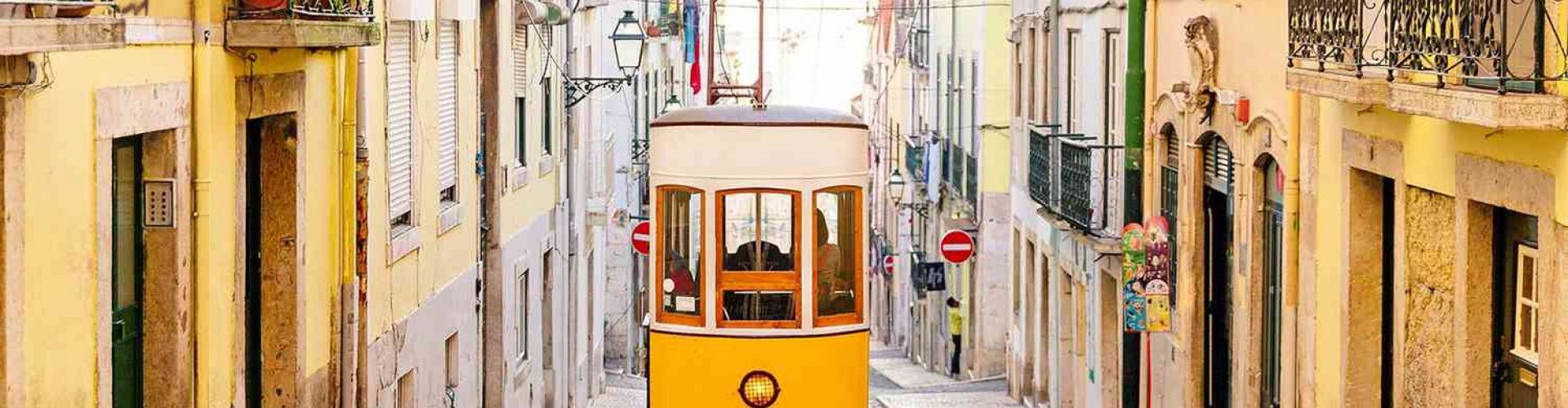
You arrive in Lisbon, PT, where the faint scent of roasted chestnuts mingles with Atlantic breeze. Cobblestone streets hum softly underfoot, echoes of centuries-old footsteps amplifying in grand, vaulted museum halls. The city’s vibrant azulejo tiles glisten, their stories painted in blue and white, guiding your gaze to ornate façades and centuries-old fortresses. From the solemnity of ancient castles to the joyous clutter of art galleries and maritime museums, Lisbon invites you on a sensorial journey through time. Every corner pulses with visual drama - from delicate azulejo mosaics to stunning artefacts that whisper Portugal’s expansive history and its voyages beyond the horizon.
Quick Facts about Lisbon, PT
- Population & Language: Approx. 550,000 residents; official language is Portuguese
- Currency & Payment: Euro (€); contactless cards widely accepted, mobile payments common
- Best Seasons: Spring (March–May) & Autumn (September–October) offer pleasant weather and fewer crowds
- Airport & Transport: Humberto Delgado Airport is 7 km from historic centre; Santa Apolónia & Rossio train stations nearby
- Public Transport: €6.40 for daily public transport pass (Carris/Metro - Lisbon Transport Authority, March 2025)
- Cappuccino Cost: Approx. €1.80 near major museums (April 2025)
Why Visit Lisbon, PT for History & Culture?
Lisbon, PT, represents a layered tapestry of history stretching from Roman times, through the Age of Discoveries, to the vibrant modern-day cultural renaissance. It’s a city where every narrow alley and grand square tells a story - whether through azulejos depicting local tales or the maritime relics housed in grand museums. The fusion of old and new is palpable: centuries-old palaces coexist alongside contemporary art centres, while historic trams rattle past traditional Fado houses. For the culturally curious traveller, Lisbon is a treasure trove. The museums showcase Portugal’s seafaring prowess and artistic evolution - from old-world navigation instruments and ancient manuscripts to bold contemporary exhibitions. Historic districts like Alfama and Belém reveal architectural flamboyance and timeworn streets that resonate with the footsteps of explorers and revolutionaries. A 2–3 day visit here is perfectly paced to explore the rich museum scene, heritage landmarks, and atmospheric neighbourhoods - without feeling rushed. You’ll comfortably weave through iconic must-see sights Lisbon, PT is famed for, plus linger in intimate galleries and hidden cultural spots. Embrace the charm of pastel-coloured buildings, savour local pastries during your breaks, and watch the golden light wash over ancient stone façades. This blend of immersive history and vibrant cultural life cements Lisbon as one of the most popular destinations in Lisbon, PT for art lovers and history buffs alike.
Top 10 Must-See Museums & Historical Sites
- Jerónimos Monastery – An iconic example of Manueline architecture housing the Maritime Museum, where Portugal’s Age of Discovery comes alive through intricate stonework and priceless artefacts.
- MAAT (Museum of Art, Architecture and Technology) – A contemporary cultural venue on the Tagus Riverfront blending innovative design with exhibitions engaging Portugal’s evolving creative scene.
- National Tile Museum (Museu Nacional do Azulejo) – Celebrate Portugal’s unique ceramic tile tradition, spanning five centuries, in a beautiful former convent setting.
- Calouste Gulbenkian Museum – A world-class collection of European and Oriental art including impressionists, ancient jewellery, and decorative arts in serene gardens.
- Belém Tower – A UNESCO World Heritage site and emblem of Portugal’s maritime history, this fortress offers stunning river views and architectural splendour.
- Lisbon National Museum of Ancient Art – Housing Portugal’s richest collection of European painting and sculpture from the Middle Ages to the 19th century.
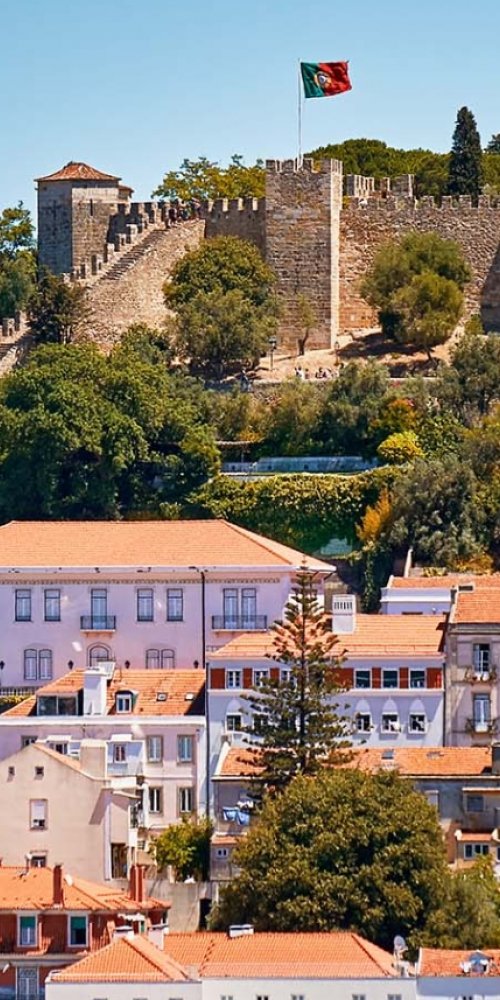
- Castelo de São Jorge (Saint George’s Castle) – Overlooking the city, this hilltop fortress offers panoramic vistas and insights into Lisbon’s defensive past.
- Fado Museum – Dive into the soulful Portuguese music tradition, with audio-visual displays and memorabilia capturing the spirit of Lisbon’s iconic sound.
- Palacio Nacional da Ajuda – A lavish neoclassical royal palace with opulent interiors that narrate Portugal’s 19th-century monarchy and diplomacy.
- Lisbon Story Centre – An interactive museum located in the Praça do Comércio, telling Lisbon's history through multimedia displays perfect for an engaging introduction.
Price & Time Grid: Museums & Landmarks at a Glance
| Site | Adult Ticket (€) | Avg. Visit Time | Skip-the-Line | Nearest Metro/Tram |
|---|---|---|---|---|
| Jerónimos Monastery | 10 | 1.5–2h | Available | Belém (Bus 15/127) |
| MAAT | 9 | 1.5h | Available | Belém (Bus 15/43) |
| National Tile Museum | 5 | 1–1.5h | No | Santa Apolónia (Metro) |
| Calouste Gulbenkian Museum | 10 | 2h | Available | São Sebastião (Metro) |
| Belém Tower | 6 | 1h | Available | Belém (Bus 15) |
| National Museum of Ancient Art | 6 | 1.5h | No | Jeronimos (Bus) |
| Castelo de São Jorge | 10 | 1.5h | Available | Martim Moniz (Metro) |
| Fado Museum | 5 | 1h | No | Santa Apolónia (Metro) |
| Palacio Nacional da Ajuda | 5 | 1–1.5h | No | Ajuda (Bus) |
| Lisbon Story Centre | 8 | 1h | Available | Terreiro do Paço (Metro/Tram) |
The diversity of Lisbon’s museums and landmarks extends beyond their collections to visitor experience: most offer reasonably priced tickets with options to skip lines for popular sites like Jerónimos Monastery and Belém Tower (Lisbon Cultural Authority, April 2025). These attractions typically require 1–2 hours to appreciate fully, lending perfectly to a paced weekend trip to Lisbon, PT. Getting to each site is straightforward via Lisbon’s efficient metro, tram, and bus network, especially near metro stops like Belém, Santa Apolónia, and Martim Moniz.
Historic Neighbourhood Snapshots
Alfama
Alfama, Lisbon’s oldest neighbourhood, is a labyrinth of narrow, winding streets where the city’s soul lives in the voices of Fado singers and daily life on colourful balconies. Its faded tiles, wrought iron gates, and centuries-old churches evoke a bygone era. Here you’ll find the Fado Museum and Castelo de São Jorge’s fortress walls peering over the winding alleys. Alfama’s atmosphere is intimate and unhurried, perfect for a morning wander while soaking up timeless ambiance.
Belém
Belém is the cradle of Portugal’s maritime glory, home to iconic monuments like Belém Tower and Jerónimos Monastery. This waterfront district is steeped in naval history and showcases striking Manueline architecture. Alongside museums like MAAT and the National Tile Museum, Belém invites you to explore royal heritage and cutting-edge art, framed by leafy parks and panoramic river views. The district’s pastry shops also offer the quintessential pastéis de nata - an essential cultural taste.
Baixa & Chiado
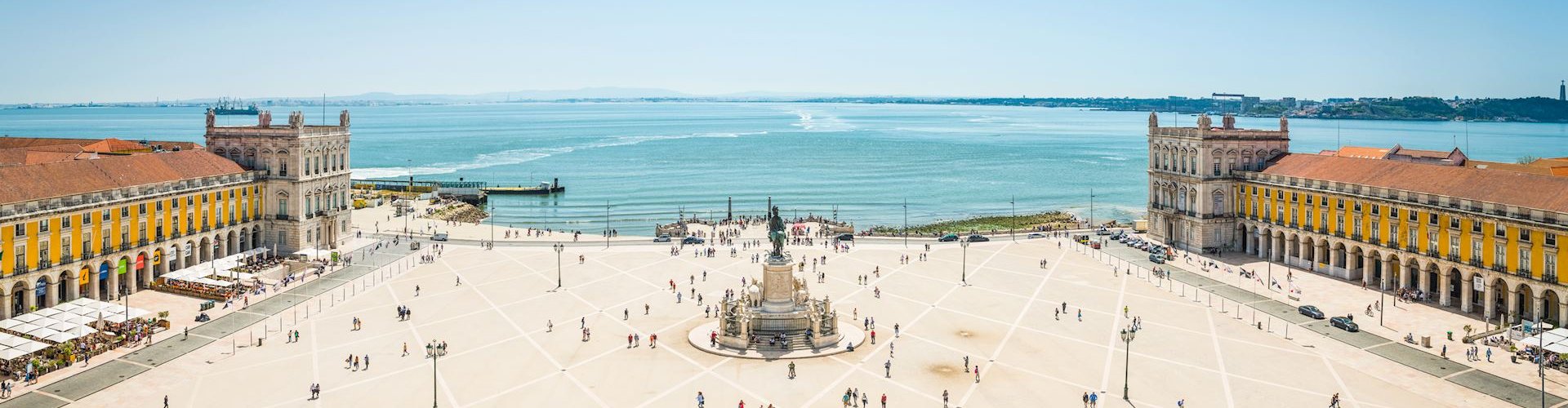
Downtown Lisbon’s Baixa and Chiado districts pulse with Renaissance-era grid layouts, neoclassical buildings, and vibrant cultural life. Baixa’s grand plazas, such as Praça do Comércio, host the Lisbon Story Centre and provide gateways to historic landmarks. Chiado complements this with theatres, galleries, and elegant cafés where literary figures once gathered. This area brilliantly blends historic grandeur with cosmopolitan energy - the perfect starting point to delve into popular destinations in Lisbon, PT.
Ajuda
A quieter, regal neighbourhood, Ajuda’s highlight is the Palacio Nacional da Ajuda, a beautifully preserved 19th-century royal residence. The area offers a more tranquil experience of Lisbon’s aristocratic past, with leafy avenues and smaller museums tucked away from crowds. Ajuda is an excellent spot to escape the bustling tourist centres and explore a more introspective facet of Lisbon’s historical identity.
Hidden Museums & Cultural Gems
- Roman Theatre Museum: Discover hidden archaeological remains and ruins beneath a charming cloister showcasing Lisbon’s Roman past.
- Casa-Museu Dr. Anastácio Gonçalves: An elegant early 20th-century townhouse with exquisite art collections and period decor away from the main tourist trail.
- Palácio Pimenta – National Museum of the City: This lesser-known museum offers engaging insights into Lisbon’s urban evolution, rare photographs, and city models.
Getting Around the Historic City
Metro: Lisbon’s metro network is efficient and clean, connecting key hubs like Baixa, Santa Apolónia, and Belém. It’s ideal for quick transit between distant museum clusters.
Trams: The iconic vintage trams (notably Tram 28) offer scenic rides through Alfama and Graça but expect crowds during peak times. They’re a charming way to absorb historic neighbourhood atmospheres.
Buses: Numerous bus lines access more secluded museums or those outside metro reach, such as Ajuda’s palaces or the National Tile Museum near Santa Apolónia. Tickets are integrated with the metro.
Walking: The compact historical centre is best explored on foot. Cobblestone streets unfold hidden gems, and walking lets you linger along Lisbon’s famous miradouros (viewpoints). A daily public transport pass offers flexibility for combining modes seamlessly.
Money-Saving Tips for Museum Lovers
- Purchase the Lisboa Card for unlimited access to public transport and free or discounted entry to over 30 museums (checked April 2025).
- Visit popular museums early in the morning on weekdays to avoid peak crowds and enjoy skip-the-line benefits where available.
- Look out for free entrance days, often the first Sunday of each month, perfect for budget-conscious culture seekers.
- Combine museum visits with neighbourhood walking tours to save on transport costs and deepen cultural immersion.
- Buy tickets online in advance for top attractions like Jerónimos Monastery to secure discount rates and skip queues.
Sample 3-Day Cultural Itinerary
- Day 1: Morning at Jerónimos Monastery and Belém Tower; afternoon at MAAT, ending with a pastel de nata in a riverside café.
- Day 2: Explore Alfama: Castelo de São Jorge and Fado Museum; stroll narrow streets, concluding with dinner at a traditional Fado house.
- Day 3: Visit Calouste Gulbenkian Museum in the morning; noon at National Tile Museum; afternoon wandering Baixa and Chiado, ending at the Lisbon Story Centre.
Eight Mistakes Cultural Weekend Travellers Make
- Overpacking the itinerary: Trying to see too many sites can lead to rushed visits and fatigue - allow time to savour each museum and neighbourhood.
- Ignoring transport options: Underestimating travel times or relying solely on one mode can waste valuable time.
- Visiting museums only during peak hours: Crowds reduce the quality of your experience - early or late visits are preferable.
- Skipping advance ticket purchase: This often leads to long queues and missed skip-the-line perks at popular sites.
- Overlooking lesser-known gems: Staying only at major attractions means missing the city's hidden treasures.
- Neglecting weather preparation: Unseasonal rain or heat can impact comfort - pack accordingly and check forecasts.
- Not budgeting for entry fees: Some museums are modestly priced but can add up - using a city pass can be economical.
- Failing to engage local culture: Missing a Fado performance or local culinary experience leaves a cultural void.
Frequently Asked Questions
What is the best neighbourhood to stay in for a cultural weekend trip to Lisbon, PT?
Baixa and Chiado offer excellent central locations with easy access to top attractions, theatres, and public transport, making them ideal bases for your cultural itinerary.
Are there any free museums or discounted days in Lisbon?
Yes, many Lisbon museums offer free entry on the first Sunday of each month. Additionally, the Lisboa Card provides discounted or free access to select museums.
How much time should I allocate per museum when planning my Lisbon itinerary?
Allocate around 1 to 2 hours for each museum or site to enjoy exhibitions properly. Planning 2–3 sites per day strikes a good balance for a 2–3 day visit.
Is public transport convenient for museum hopping in Lisbon?
Absolutely. The integrated metro, tram, and bus networks cover all major cultural districts and museums efficiently, with affordable daily passes available.
Ready to Explore Popular Destinations in Lisbon, PT?
Embrace the rich cultural heritage and stunning museums on your upcoming weekend trip to Lisbon, PT. Share your experiences, tips, and questions below, and don’t forget to subscribe to our newsletter for more immersive travel guides. Happy exploring - Lisbon’s historic and artistic treasures await your discovery!