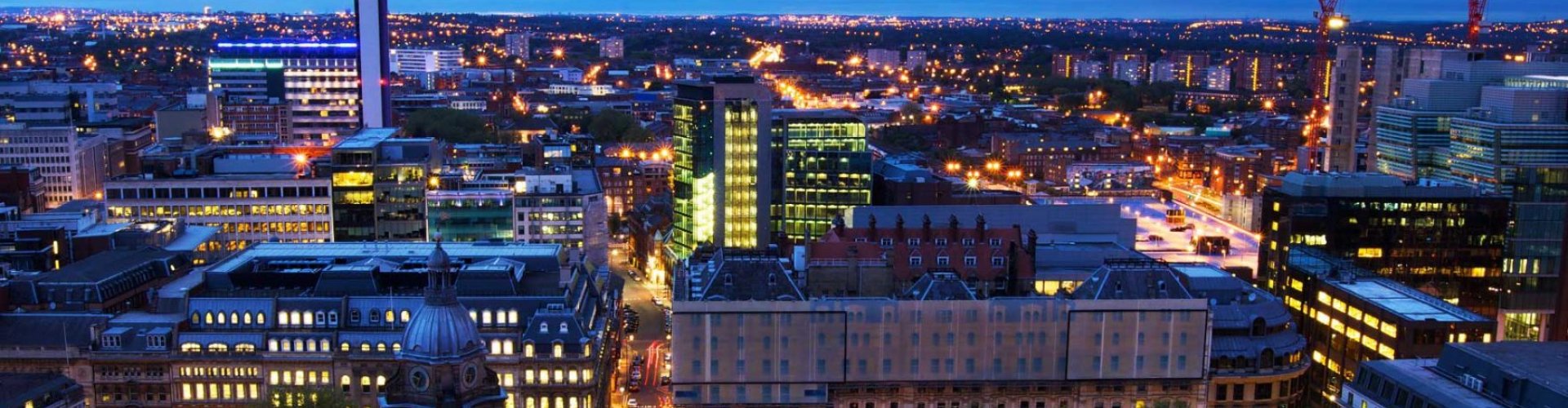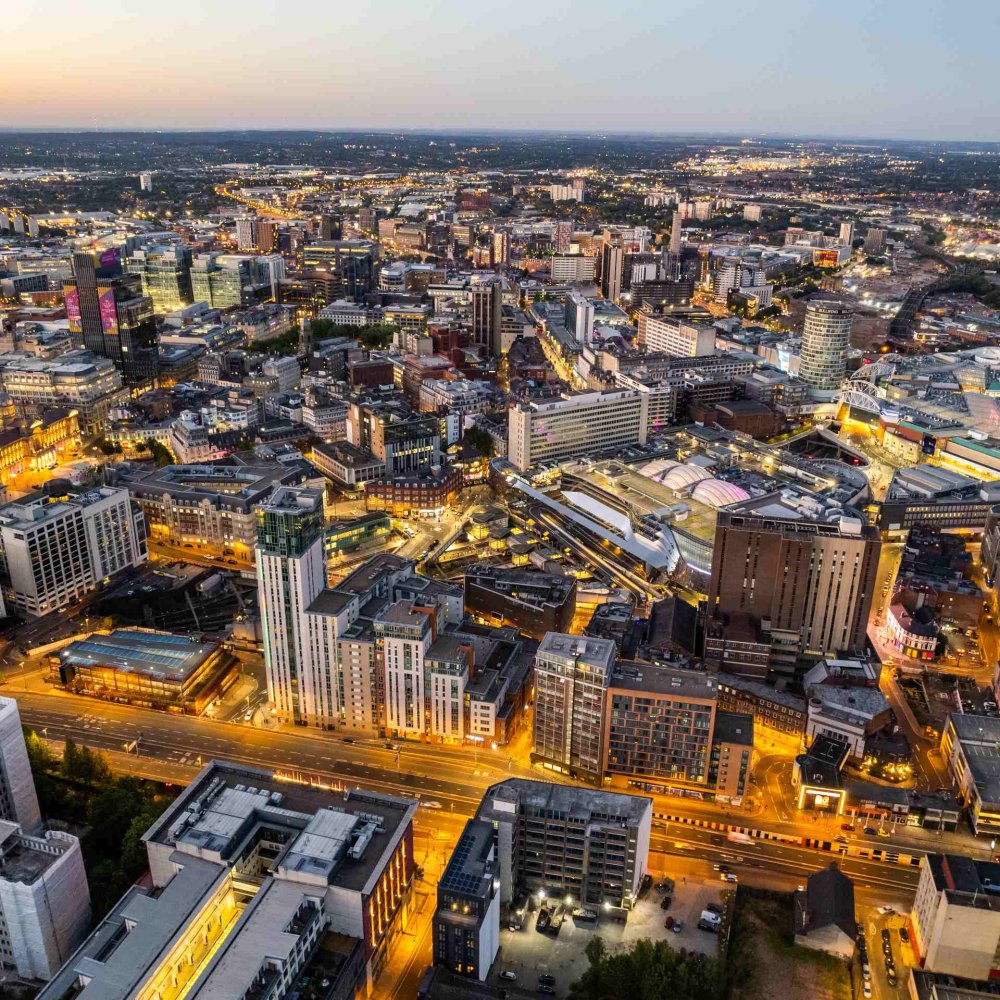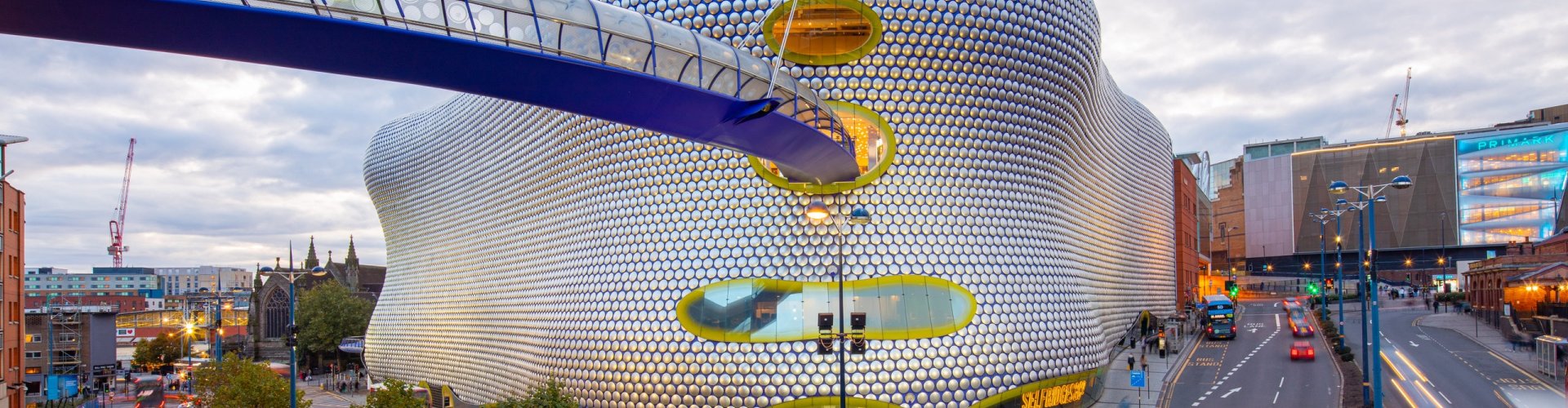
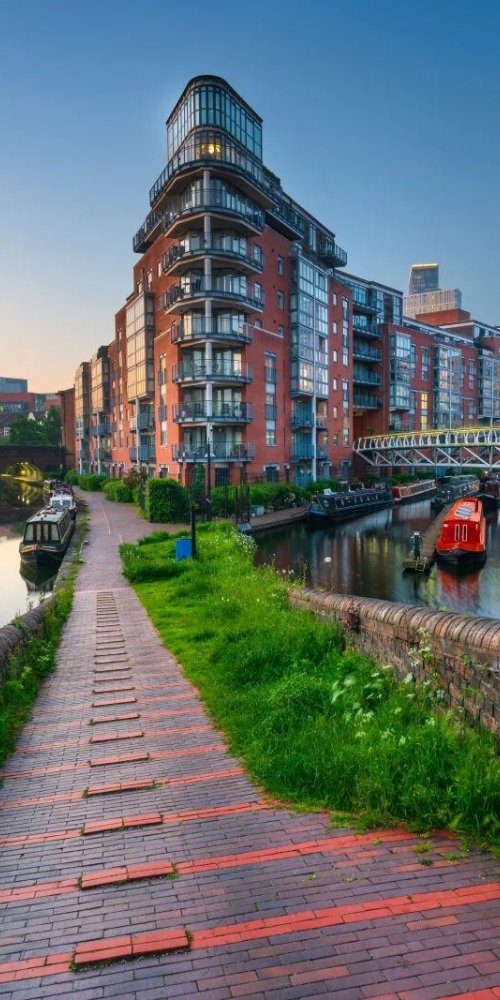
Stepping into Birmingham is like entering a vast living tapestry where centuries unfold beneath your feet. The gentle echo of footsteps reverberates through stately halls, whispering stories of industrial pioneers and cultural visionaries. Outside, the city’s iconic façades dance in the shifting light, their red brick and glass harmonising with vibrant street art and the leafy charm of ancient canal banks. Here, the rich aroma of freshly brewed coffee mingles with the crisp breeze weaving through museums and galleries, inviting you to immerse yourself in a city where history and modernity fuse at every corner. Whether clinging to intricate Victorian ironwork or marveling at bold contemporary installations, Birmingham’s museums and landmarks set the stage for an enticing cultural adventure.
Quick Facts about Birmingham, UK
- Population & Official Language(s): Approximately 1.15 million; English
- Local Currency & Payment Options: British Pound (£); contactless payments widely accepted including Apple Pay, Google Pay, and major credit cards
- Best Seasons for Cultural Sightseeing: Late spring and early autumn offer mild weather and moderate crowds, perfect for exploring streets and museums outdoor and in (Checked April 2025)
- Airport / Station Distance to Historic Centre: Birmingham Airport – 13 km (~25 mins taxi); Birmingham New Street Station – City centre (5-minute walk)
- Cheapest Full-Day Public Transport Pass: Birmingham Day Saver, approx. £5.50 (April 2025)
- Typical Cost of a Cappuccino Near Major Museums: £3.20 (April 2025)
Why Visit Birmingham, UK for History & Culture?
When planning a weekend trip to Birmingham, UK, few cities offer such a dynamic blend of industrial heritage and contemporary vibrancy. As the heart of the Industrial Revolution, Birmingham earned its moniker as the "City of a Thousand Trades," a nickname echoed through its captivating museums and historic quarters. Here, you walk the same streets that inspired breakthroughs in engineering and art, a journey tracing the evolution from bustling factories to sleek modern galleries.
Birmingham’s architecture is a layered narrative in itself – from the intricate Victorian grandeur of the Jewellery Quarter to the sleek curves of the Library of Birmingham. Museums abound, boasting rich collections that celebrate everything from steam engines to fine art, and from pioneering social movements to musical revolution.
This city’s cultural identity is refreshingly diverse, mirroring its history as a melting pot for innovation and communities worldwide. Whether you’re a history aficionado or simply searching for inspired things to do in Birmingham, UK, the city offers a perfectly paced 2–3 day cultural itinerary allowing you to delve deep without rush. The cohesion between old and new creates a vibrant backdrop perfect for discovery, making Birmingham one of the top attractions Birmingham, UK travellers must experience.
Top 10 Must-See Museums & Historical Sites
- Thinktank Birmingham Science Museum: Interactive exhibits bring industrial Birmingham’s scientific achievements to life, from steam engines to space-age robotics.
- Birmingham Museum & Art Gallery (BMAG): Home to the world’s largest collection of Pre-Raphaelite paintings alongside fascinating artefacts tracing local history.
- The Jewellery Quarter: Explore historic workshops and the Museum of the Jewellery Quarter, detailing 200 years of Birmingham’s iconic jewellery trade.
- Aston Hall: A magnificent 17th-century mansion with original interiors revealing aristocratic life in the English Civil War period.
- Back to Backs: Step through time at Birmingham’s last surviving courtyard of 19th-century workers’ houses, preserved by the National Trust.
- Barber Institute of Fine Arts: A stunning art collection housed in a striking Art Deco building on Edgbaston campus, including Renaissance masterpieces.
- Black Country Living Museum: Just outside the city centre, this open-air museum offers immersive insights into the region’s industrial past with costumed actors and working trades.
- Cadbury World: Discover the rich history of the world-famous chocolate brand through engaging displays and sweet factory tours.
- Sarehole Mill: One of Birmingham’s few surviving working watermills, famously connected to J.R.R. Tolkien’s childhood inspirations.
- Ikon Gallery: Celebrated for contemporary art, this dynamic gallery hosts rotating exhibitions, installations, and events in the city centre.
Price & Time Grid: Museums & Landmarks at a Glance
| Attraction | Adult Ticket (£) | Avg. Visit Time | Skip-the-Line Option | Nearest Metro/Tram Stop |
|---|---|---|---|---|
| Thinktank Science Museum | 12 | 2-3 hours | Yes | Curzon Street |
| Birmingham Museum & Art Gallery | Free (special exhibits extra) | 2-3 hours | No | Colmore Row |
| The Jewellery Quarter | 3 (Museum entry) | 1-2 hours | No | Jewellery Quarter |
| Aston Hall | 8 | 1-1.5 hours | No | Aston University |
| Back to Backs | 10 | 1-1.5 hours | Yes | St Paul’s |
| Barber Institute of Fine Arts | Free | 1-2 hours | No | Edgbaston Village |
| Black Country Living Museum | 18 | 3-4 hours | Yes | Dudley Town |
| Cadbury World | 20 | 2-3 hours | Yes | Bournville |
| Sarehole Mill | 5 | 1 hour | No | Hall Green |
| Ikon Gallery | Free | 1 hour | No | Corporation Street |
With a range of free and paid exhibitions, from intimate galleries to expansive open-air museums, Birmingham’s top attractions offer great value for money. Average visit times allow for a well-rounded Birmingham, UK itinerary, comfortably fitting into a 2–3 day weekend trip. Skip-the-line options are available at key busy venues like Cadbury World and Thinktank, a helpful convenience during peak tourist seasons.
Historic Neighbourhood Snapshots
The Jewellery Quarter
Wandering the Jewellery Quarter, you feel the heartbeat of craft traditions stretching back over 200 years. The intimate workshops, now thoughtfully preserved, showcase the artistry and entrepreneurship that propelled Birmingham onto the world stage of luxury goods. Quaint cobblestone streets lead you past historic shopfronts and museums, where the softly hum of jeweller’s tools echoes alongside buzzing cafés and artisan boutiques.
Digbeth
This formerly industrial area has rewritten itself as Birmingham’s creative hub. Graffiti murals erupt on brick façades, while repurposed warehouses host art collectives and live music venues. History remains palpable here – the city’s earliest factories once lined these streets, making Digbeth a fascinating patchwork of grit, grit, and regeneration.
Gun Quarter
Once the centre of Britain’s firearms manufacturing, the Gun Quarter’s Victorian buildings tell a story of industrial prowess and export empire. Today, the area balances modern office spaces with reminders of its iron-chested past. Walking here, you can almost hear the clatter of workshops melding steel and innovation, a testament to Birmingham’s multi-layered industrial soul.
Edgbaston
Elegant and leafy Edgbaston contrasts sharply with the city’s industrial core. Home to the Barber Institute and several Regency-era residences, the district invites you to explore cultured refinement with peaceful gardens, sprawling parks, and quiet museums displaying fine arts in sumptuous surroundings.
Hidden Museums & Cultural Gems
- The Coffin Works: Step into a restored Victorian factory specialising in coffin furniture, offering unique insight into a 20th-century trade.
- Moseley Road Baths: A rarely visited Edwardian swimming pool with striking tiled architecture and local community events.
- School of Jewellery: Discover emerging contemporary craftsmanship through exhibitions from Birmingham’s renowned jewellery school.
Getting Around the Historic City
Metro & Trams: Birmingham MetroLink tram lines provide excellent coverage for accessing major museums and districts like the Jewellery Quarter and Digbeth, with frequent service from early morning onward.
Buses: Extensive bus networks fill the gaps, particularly useful to reach destinations like Aston Hall or Sarehole Mill beyond the city centre.
Walking Routes: Birmingham’s compact centre makes many attractions accessible on foot, perfect when you want to absorb historic atmosphere at street level and pause in local cafés.
Transport Passes: Visitors can save with the Day Saver or weekend passes, which cover trams, buses, and local trains, ideal for a well-paced 48-hour guide Birmingham, UK plan.
Money-Saving Tips for Museum Lovers
- Use combined tickets where available for attractions in the Jewellery Quarter to save on entry fees.
- Visit free-entry museums like the Barber Institute and BMAG first and splurge on paid exhibitions.
- Purchase transport day passes to optimise budget travel around popular destinations in Birmingham, UK.
- Check online for advance booking discounts and skip-the-line offers, especially in peak seasons.
- Enjoy affordable local cafés offering discounted museum coffee deals, particularly during weekday mornings.
Sample 3-Day Cultural Itinerary
- Day 1: Start at Birmingham Museum & Art Gallery, then stroll to the Jewellery Quarter – including the Museum of the Jewellery Quarter and local artisan shops, finish with dinner in a historic pub.
- Day 2: Morning at Thinktank Science Museum, afternoon at Aston Hall, and evening exploring pubs and street art of Digbeth.
- Day 3: Early visit to Cadbury World, followed by a relaxed afternoon in Edgbaston visiting the Barber Institute and soaking in the leafy surroundings.
Eight Mistakes Cultural Weekend Travellers Make
- Overpacking your schedule: Rushing through multiple museums reduces enjoyment; savour each experience instead.
- Ignoring transport options: Not buying day passes leads to unnecessary spending and wasted time.
- Missing out on lesser-known sites: Overlooking hidden gems like the Coffin Works limits cultural discovery.
- Visiting only free sites: Some paid venues offer unique exhibitions worth the investment for a complete experience.
- Not checking opening times: Museum hours can vary, resulting in avoidable disappointment if not planned.
- Forgetting weather prep: Birmingham’s weather can be changeable; bring layers to comfortably explore indoors and out.
- Ignoring local cuisine: Sampling food in historic districts enriches your immersion beyond visual culture.
- Skipping advance bookings: Some popular attractions require pre-booking, especially on weekends.
Frequently Asked Questions
What is the best time of year for a weekend trip to Birmingham, UK?
Late spring to early autumn offers comfortable weather with fewer crowds, ideal for exploring museums and historic sites at a relaxed pace.
Are admission fees expensive for Birmingham’s museums?
Many museums, including BMAG and the Barber Institute, offer free admission; others charge modest entry fees with options for combined tickets to save money.
Can I get around Birmingham’s cultural hotspots without a car?
Absolutely. Birmingham has an excellent public transport network including trams, buses, and trains, plus many attractions are walkable within the city centre.
Are there guided tours available for historical sites?
Various guided tours exist, from walking tours in the Jewellery Quarter to curated experiences at Back to Backs, enriching your understanding of Birmingham’s heritage.
Join the Journey: Your Birmingham Story Awaits
Every corner of Birmingham beckons with stories waiting to be discovered. Whether you're drawn to the sculpted facades, the echoing galleries, or the hidden workshops, the city offers boundless inspiration for your cultural weekend. Share your experiences, join our community chatter, and sign up for our newsletter to receive insider tips and upcoming event alerts. This city’s history is alive, and your adventure is just beginning.