As you step onto the cobbled stones in Bariloche, the crisp patagonian air carries whispers of ancient tales and modern artistry alike. The subtle crunch beneath your boots echoes softly through the century-old halls and quaint streets, while the rich aroma of roasted coffee drifts from museum cafés. Vibrant façades of wooden chalets blend seamlessly with the delicate shimmer of Andean artefacts showcased behind glass, inviting you deeper into the city’s mosaic of history and culture. Here, each landmark, each display, breathes life into Bariloche's storied past and present – making it a cultural gem waiting to be uncovered.
Quick Facts About Bariloche, AR
- Population & Language: Approx. 130,000; official language Spanish with widespread English in tourist areas
- Currency & Payments: Argentine Peso (ARS); common cashless methods include credit/debit cards and mobile payments like Mercado Pago
- Best Seasons for Cultural Sightseeing: Spring (Sept-Nov) and Autumn (Mar-May) offer mild weather and fewer crowds
- Transport Hub Distance: San Carlos de Bariloche Airport is 14 km (25 mins) from the historic centre
- Public Transport Pass: Cheapest full-day bus ticket is ARS 550 (approx. €2.75, City Transport Authority, April 2025)
- Cappuccino Cost Near Museums: Around ARS 350 (€1.75) in April 2025
Why Visit Bariloche, AR for History & Culture?
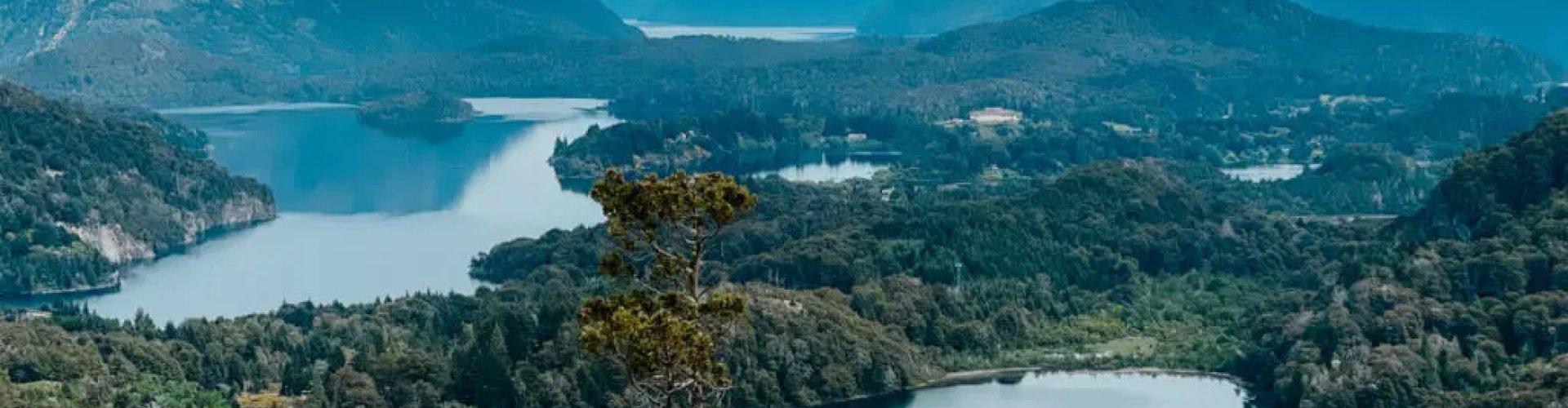
Bariloche is a cultural tapestry set against dramatic Andean backdrops. While famed worldwide for its stunning natural beauty, it holds equally compelling treasures for history and museum enthusiasts. Rooted in indigenous Mapuche heritage and enriched by European settlers, particularly Swiss and German influences, Bariloche presents a unique architectural and cultural blend. This city’s museums chronicle tales from the pre-colonial era through the rise of Patagonian industry and tourism, telling stories both intimate and grand.
Its streets invite exploration, with wooden alpine chalets adorning neighbourhoods that hosted early pioneers. Inside the city's museums, you’ll find everything from natural history exhibits and indigenous art to musical archives and local crafts. The museums are cleverly curated to balance detailed storytelling with accessibility, making them perfect for a 2–3 day exploration that won’t overwhelm.
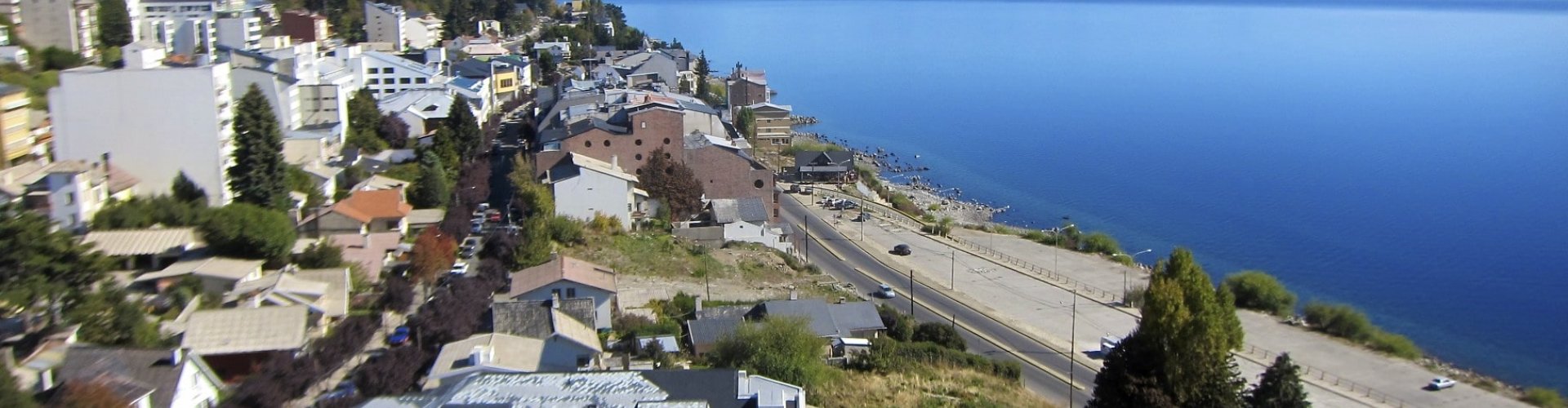
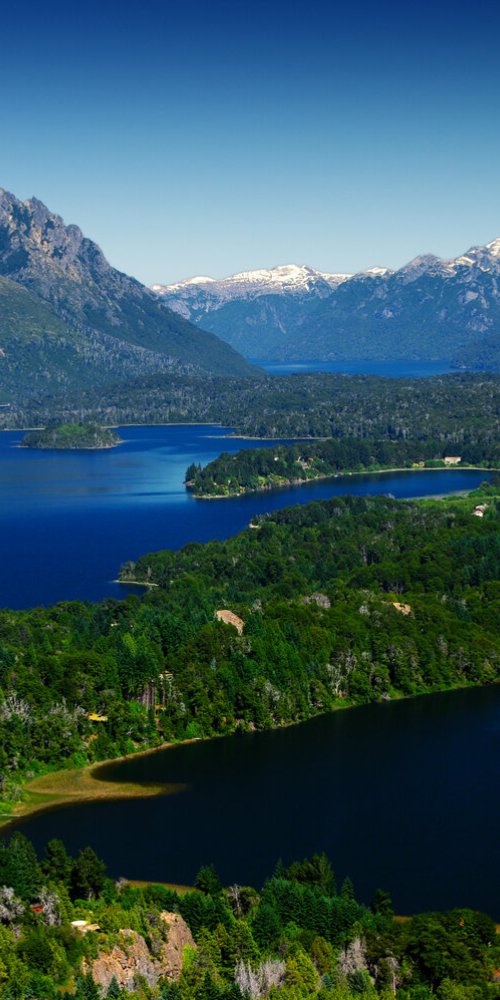
Whether you’re strolling along the shores of Lake Nahuel Huapi or walking through Bariloche’s bustling craft markets, the city’s layered history feels tangible and immediate. This multifaceted cultural scene, combined with well-preserved historic sites and emerging hidden gems, earns Bariloche a spot among popular destinations in Bariloche, AR for history lovers and casual visitors alike.
Top 10 Must-See Museums & Historical Sites
- Museo de la Patagonia Francisco P. Moreno: The flagship museum housed in Centro Cívico showcases Patagonia’s natural history, indigenous culture, and early explorers with impressive artefacts and interactive displays.
- Centro Cívico: More than just a municipal building, its iconic alpine architecture embodies the Swiss-German legacy and is symbolic of Bariloche’s cultural identity.
- Río Negro Provincial Museum: Dedicated to regional archaeology and paleontology, this compact gem offers rare fossils and archaeological finds illuminating ancient Patagonian life.
- Cervecería Manush & Patagónico Brewery Museum: Dive into the history of Patagonian craft brewing with tastings and exhibits blending culture and local flavour.
- Parque Nahuelito: An open-air dinosaur park featuring life-sized models and museum exhibits of Patagonia’s prehistoric past; ideal for families.
- Museo del Chocolate Fenoglio: A sweet stop revealing the history of chocolate in Bariloche combined with delicious artisan samples.
- Gourmet Historical District Walk: Wander past preserved early 20th-century buildings doubled as cafes and shops, narrating the city’s economic origins.
- Iglesia Catedral Nuestra Señora del Nahuel Huapi: A stunning neo-Gothic cathedral central to city history, combining spiritual significance with architectural beauty.
- La Masía Museum: Housed in a traditional Swiss chalet, exploring local crafts and immigrant family histories from the early 1900s.
- Laguna Negra Region Archaeological Site: Venture a short trip to explore rock art and ancient dwellings, unveiling the indigenous footprint outside the urban heart.
Price & Time Grid: Museums & Landmarks at a Glance
| Site | Adult Ticket (€) | Avg. Visit Time | Skip-the-Line? | Nearest Transport |
|---|---|---|---|---|
| Museo de la Patagonia | 5.50 | 1.5 hrs | Yes | Bus #20 |
| Centro Cívico | Free | 30 mins | N/A | Site initiative walk |
| Río Negro Provincial Museum | 3.75 | 1 hr | No | Bus #15 |
| Beer Museum (Manush) | 6.00 | 1 hr | No | Bus #10 |
| Parque Nahuelito | 7.00 | 2 hrs | No | Taxi/Private |
| Museo del Chocolate | 4.50 | 45 mins | No | Bus #12 |
| Gourmet Historical Walk | Free | 1.5 hrs | N/A | Walking |
| Iglesia Catedral | Free | 30 mins | N/A | Bus #20 |
| La Masía Museum | 3.50 | 1 hr | No | Bus #18 |
| Laguna Negra Site | 8.50 | 3 hrs | No | Tour Operators |
This convenient table helps compare key details for planning your visits efficiently. While several sites offer skip-the-line to save time, most museums embrace casual entry, letting you meander at leisure. Proximity to public transport varies - some are best reached by dedicated tours or taxis, such as Laguna Negra. Overall, expect to spend around 1–2 hours per Museum at this collection of must-see sights Bariloche, AR recommends. This makes your weekend trip to Bariloche, AR both rewarding and manageable.
Historic Neighbourhood Snapshots
Centro Cívico
The beating civic and cultural heart of Bariloche, the Centro Cívico marries alpine-influenced stone and timber architecture with vibrant artisan markets. It’s a lively gathering place, especially around museum openings or festivals, reflecting the Swiss-German roots of early settlers amid Argentine warmth. Here, history breathes in the carved façades and communal plazas.
Llao Llao District
Perched on a wooded peninsula, Llao Llao offers refined rustic charm with historic lodges and nature trails. The area preserves early 20th-century tourism heritage, including stories of the city’s hotel boom, coupled with breathtaking views of Nahuel Huapi Lake that inspired local artists and outdoor enthusiasts alike.
San Martín Street Quarter
A hub for craftspeople and chocolatiers, this district winds through cobblestone streets showcasing turn-of-the-century shops and cafés. Its mixture of indigenous motifs with European boutique styles reflects Bariloche’s evolving cultural identity. Explore artisan workshops here for a tactile connection to local heritage.
Hidden Museums & Cultural Gems
- Centro Cultural Anaya: A small but vibrant contemporary art space promoting local and indigenous artists beyond mainstream museums.
- Antique Post Office Museum: Housed in a quaint historic building, it documents Bariloche’s communication history through stamps, letters, and preserved postal relics.
- Casa de la Cultura: A community cultural centre hosting rotating exhibits on regional folklore, crafts, and storytelling evenings that capture oral histories.
Getting Around the Historic City
The city does not have a metro or tram system; instead, an extensive and reliable bus network covers most tourist routes, ideal for reaching the 10 must-see attractions with ease.
Bus routes like #20 and #15 serve central museums frequently; single tickets cost roughly ARS 150, but you’ll save with daily transport passes. Purchase these at kiosks near main stops or ask at your hotel.
Walking is encouraged within Centro Cívico and San Martín Street areas - their compact layout means most sights and cafés are just minutes apart, best explored on foot.
Taxis and remises fill gaps between outlying sites, particularly for excursions to Laguna Negra or Parque Nahuelito where buses don't operate directly.
Money-Saving Tips for Museum Lovers
- Visit museums early in the week to avoid weekend surcharges and crowds; some offer weekday discounts.
- Buy combined museum passes where available, bundling entry to multiple attractions for a reduced price.
- Use public buses and daily transport passes rather than taxis to cut down transit costs between sites.
- Enjoy street food or local markets near cultural districts for budget-friendly snack breaks instead of pricier cafés.
- Check for free museum days or cultural festivals, often offering waived entry or special events.
Sample 3-Day Cultural Itinerary
Day 1
Begin at Museo de la Patagonia in Centro Cívico, followed by a walk around its historical piazza. Afternoon visit to the Río Negro Provincial Museum to delve into Patagonian archaeology. Evening coffee near San Martín Street crafts.
Day 2
Explore Parque Nahuelito’s outdoor exhibits in the morning. Lunch near the Lago Nahuel Huapi shoreline. Afternoon tour of Museo del Chocolate and the nearby artisan patisserie. Evening stroll through the Llao Llao district.
Day 3
Visit La Masía Museum and the Antique Post Office Museum. Afternoon stop at the Iglesia Catedral for architecture and local history. Finish with tastings and stories at Manush Brewery before enjoying a cultural evening event.
Eight Mistakes Cultural Weekend Travellers Make
- Overpacking too many museums into one day - pace yourself to savour each site fully.
- Ignoring weather changes - pack layers to comfortably explore seasonal outdoor heritage spots.
- Skipping transport passes - these save money and hassle on multiple bus trips.
- Not checking opening hours in advance - some museums close midweek or early afternoon.
- Overlooking lesser-known museums - the hidden gems offer unique stories beyond popular destinations in Bariloche, AR.
- Failing to allocate free time for spontaneous discoveries, markets, or cultural events.
- Relying solely on taxis for transport - public options provide local insights and budget-friendliness.
- Neglecting to taste local culinary traditions alongside the cultural itinerary - food is part of history here.
Frequently Asked Questions
What is the best time of year for a cultural visit to Bariloche?
Spring (September to November) and Autumn (March to May) offer the ideal weather with fewer tourists, allowing you to enjoy museums and historic sites comfortably.
Are English tours available at major museums?
Yes, most popular museums provide English signage and some offer guided tours in English. Checking ahead can help you book a suitable tour.
Can I buy combined tickets for multiple museums?
Bariloche offers select combined tickets and transport passes that include discounted museum entry, especially during cultural festivals.
Is Bariloche’s historic centre walkable?
Yes, many top attractions are within walking distance, especially around Centro Cívico and San Martín Street, perfect for leisurely cultural strolls.
Call to Action
Have you discovered the magic of popular destinations in Bariloche, AR or tried any of these must-see sights on your own itinerary? Share your experiences, tips, or questions below! Don’t forget to subscribe to our newsletter for more insider guides on top attractions Bariloche, AR and beyond.