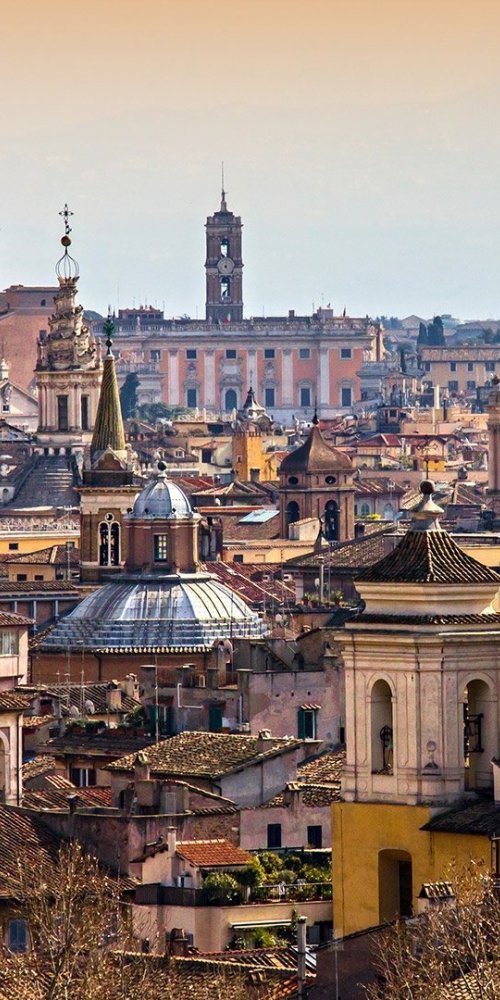
As you step into the eternal city of Rome, the air buzzes with centuries of stories waiting to unfold. The gentle echo of your footsteps reverberates through marble halls, while the soft sunlight filters through towering basilica windows, casting golden hues on mosaics and frescoes. The scent of aged parchment mingles with the aroma of freshly brewed espresso spilling from nearby cafés. From the bold curves of the Colosseum to the quiet reverence inside the Capitoline Museums, every corner hums with layered history and living culture. Rome isn’t just a city; it’s a sensory journey through time, where each museum and landmark narrates a chapter of humanity’s shared past.
Quick Facts about Rome, IT
- Population & Languages: Approximately 2.8 million; official language Italian, with English widely spoken in tourist areas.
- Currency & Payments: Euro (€); cashless options include contactless cards and mobile payments widely accepted.
- Best Seasons for Cultural Sightseeing: April to June and September to October offer mild weather and manageable crowds.
- Airport and Station Distance: Fiumicino Airport is about 30 km from the historic centre; Termini Station is centrally located.
- Public Transport Pass: A single-day pass costs €7 (City Transport Authority, April 2025).
- Cappuccino Cost Near Museums: Approximately €1.50 in April 2025.
Why Visit Rome, IT for History & Culture?
Rome’s historical tapestry is unmatched - each street layer blends millennia of empire, faith, and art into a living museum. As one of the most popular destinations in Rome, IT, the city expertly balances grand archaeology with intimate cultural pockets. Imagine wandering from the vibrant Roman Forum ruins to the hushed halls of the Vatican Museums, where Michelangelo’s Sistine Chapel ceiling commands your awe. This city’s museums range from colossal to concealed, each revealing facets of Rome’s evolving identity from Imperial Rome through Renaissance splendour to modern vibrancy.
More than monuments and artefacts, Rome is a throbbing cultural symphony. The Italian capital pulses with artisanal workshops, street artistry, and lively piazzas echoing stories of centuries past and present. It’s no surprise that a weekend trip to Rome, IT can feel like stepping through a time portal while firmly rooted in today’s artistic and culinary excitement.
This city’s layered architectural styles - from the classical columns of the Pantheon to Baroque fountains - offer constant discovery and richly textured photo opportunities. A carefully crafted 48-hour guide Rome, IT entwines major museums and must-see sights Rome, IT with quieter escapes to unlock authentic experiences. Whether it’s your first cultural journey or a return to familiar cobblestones, this itinerary promises immersion into why Rome remains a crown jewel of global heritage and why it’s a perfect fit for your cultural itinerary.
Top 10 Must-See Museums & Historical Sites
- Vatican Museums: Home to Raphael’s Rooms and the Sistine Chapel ceiling; a treasure trove spanning centuries of papal art collections.
- Colosseum: Rome’s iconic amphitheatre offers a visceral connection to gladiatorial spectacles and ancient public life.
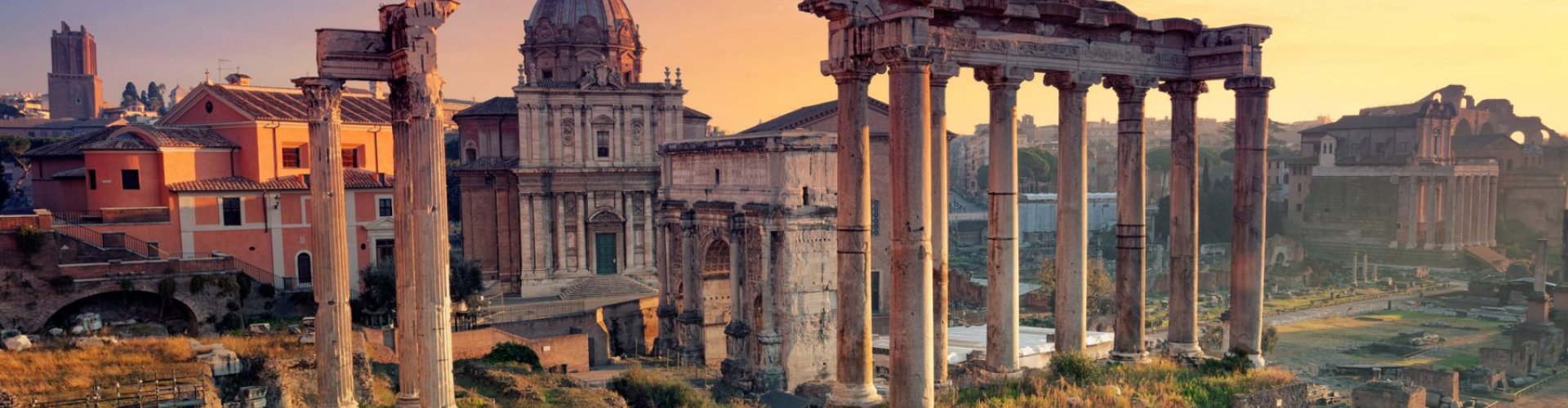
- Roman Forum & Palatine Hill: The political and religious heart of ancient Rome, now a sprawling promenade of ruins layered with history.
- Capitoline Museums: Italy’s oldest public museum, hosting Imperial sculptures and Caravaggio masterpieces, perched atop Capitoline Hill.
- Galleria Borghese: An opulent villa displaying Bernini sculptures and Renaissance paintings amid lush gardens.
- Pantheon: An engineering marvel with its vast unreinforced concrete dome, serving as a Roman temple and church.
- Castel Sant’Angelo: A fortress turned museum, it offers panoramic views and chronicles of Rome’s defensive history.
- National Roman Museum: Split across key sites including Palazzo Massimo; known for mosaics, frescoes, and glassware.
- Trevi Fountain & Spanish Steps Area: Though public spaces, their artful design and nearby Borghese Gallery elevate them into must-visit sights.
- Trastevere District: A historic quarter alive with winding streets, artisan shops, and hidden churches dating back to the Middle Ages.
Price & Time Grid: Museums & Landmarks at a Glance
| Attraction | Adult Ticket (€) | Avg. Visit Time | Skip-the-Line Option | Nearest Metro/Tram Stop |
|---|---|---|---|---|
| Vatican Museums | €17 | 3–4 hours | Yes | Ottaviano (Metro A) |
| Colosseum | €16 | 2 hours | Yes | Colosseo (Metro B) |
| Roman Forum & Palatine Hill | Included with Colosseum | 2 hours | Yes | Colosseo (Metro B) |
| Capitoline Museums | €15 | 1.5–2 hours | Yes | Cairoli (Metro B) |
| Galleria Borghese | €20 | 2 hours | Yes (booking required) | Spagna (Metro A) |
| Pantheon | €5 | 30–45 mins | No | Barberini (Metro A) |
| Castel Sant’Angelo | €15 | 1.5 hours | Yes | Ponte Sant’Angelo (Bus) |
| National Roman Museum | €12 | 2 hours | Varies | Repubblica (Metro A) |
| Trevi Fountain | Free | 15–30 mins | N/A | Barberini (Metro A) |
| Trastevere District | Free | Variable | N/A | Trastevere (Train & Tram) |
This price and time grid offers a snapshot for your popular destinations in Rome, IT tour. The Vatican Museums and Colosseum are understandably the busiest, benefitting most from skip-the-line passes. Consider starting early or late afternoons to avoid peak crowds. Many top attractions cluster near Metro stops, streamlining your 48-hour guide Rome, IT plan. Free public spaces like Trevi Fountain and Trastevere provide perfectly paced pauses amid the main museum visits.
Historic Neighbourhood Snapshots
Centro Storico
The historic centre is a mosaic of piazzas, churches, and palazzi. Walking here immerses you in Renaissance and Baroque grandeur - cobblestone lanes overflow with cafes, artisans, and street musicians. Classic Roman monuments stand amid modern life’s rhythm, an ideal area for iconic sightseeing balanced with authentic cultural immersion.
Monti District
Monti offers a bohemian blend of vintage shops and ancient ruins, quietly nestling between the Colosseum and the Termini station. This district invites exploration beyond the tourist trail, where locals unwind over espresso and discovery blends with everyday Roman charm.
Trastevere
Across the Tiber, Trastevere retains an almost village-like atmosphere with narrow alleyways and ivy-covered façades. It’s a treasure trove of medieval churches, lively trattorias, and artisan workshops - a living museum of Rome’s medieval and Renaissance eras.
Vatican City
Though technically a separate city-state, Vatican City’s spiritual and artistic treasures anchor Rome’s cultural identity. The soaring dome of St. Peter’s Basilica, world-class museums, and Vatican Gardens offer an intense, contemplative experience beyond history books.
Hidden Museums & Cultural Gems
- Keats-Shelley Memorial House: A quaint museum honouring Romantic poets near the Spanish Steps, offering intimate literary insights.
- Crypta Balbi: A lesser-known archaeological museum revealing Rome’s urban evolution through ruins and exhibits.
- Centrale Montemartini: An unexpected blend of classical statues amidst a former industrial power plant, creating a stunning contrast.
Getting Around the Historic City
Metro: Rome’s Metro system covers major corners of the historic centre and key museums. Metro Line A connects Vatican and Spanish Steps, while Line B serves the Colosseum and Monti area. Trains run every few minutes but avoid rush hours for comfort.
Trams & Buses: Complementing the Metro, trams and bus lines penetrate ancient quarters inaccessible by underground. Routes to Trastevere and suburban areas run frequently, and tickets are unified across transport modes.
Walking: The historic heart is incredibly walkable - packed with surprises when you venture off main roads. Comfortable shoes are essential; cobblestones and variable surfaces invite a leisurely pace to soak in the surroundings fully.
Transport Passes: Consider a 48-hour or 72-hour Rome transport pass (€12–18) for unlimited travel. It’s cost-effective for a culturally packed weekend trip to Rome, IT and saves hassle when hopping between top attractions Rome, IT.
Money-Saving Tips for Museum Lovers
- Book tickets online in advance to avoid premium prices and skip long queues at popular destinations in Rome, IT.
- Exploit combined tickets like the Colosseum + Forum + Palatine Hill entry, which offer better value than single admissions.
- Visit museums on last Sundays of the month, when many public museums waive entrance fees (subject to confirmation).
- Check for Roma Pass options that bundle transit and discounts on top attractions Rome, IT, ideal for your 48-hour guide Rome, IT.
- Enjoy a cappuccino at neighbourhood cafés slightly away from main museums to save money while soaking local atmosphere.
Sample 3-Day Cultural Itinerary
Day 1: Vatican & Centro Storico
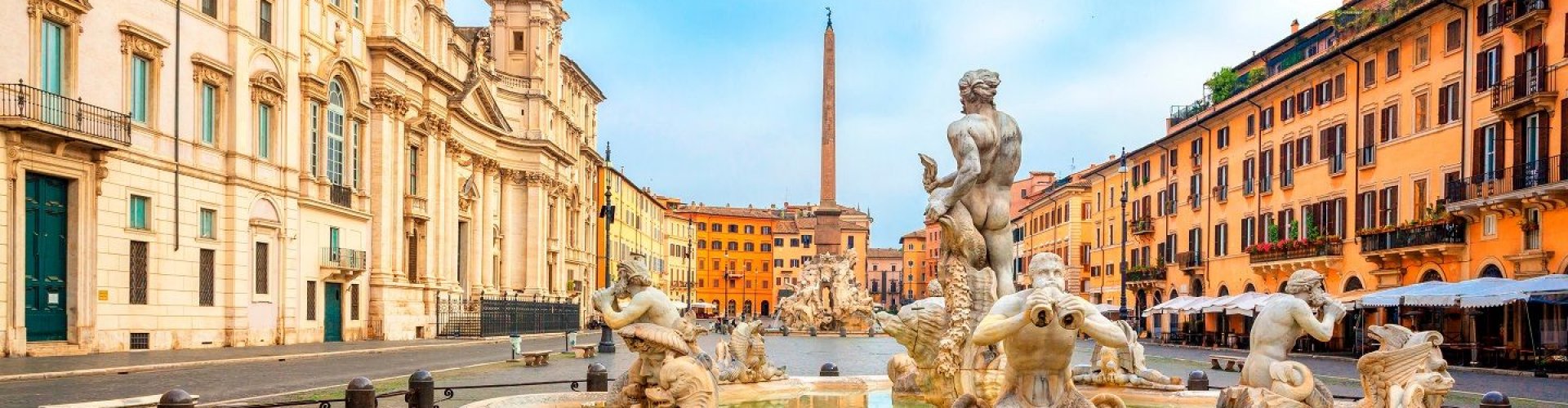
Begin early at the Vatican Museums and Sistine Chapel, then cross over to St. Peter’s Basilica. Spend your afternoon exploring Piazza Navona, Pantheon, and Trevi Fountain. End with an aperitivo in the vibrant Campo de’ Fiori.
Day 2: Ancient Rome Immersion
Tour the Colosseum, Roman Forum, and Palatine Hill in the morning. After lunch, visit Capitoline Museums, then stroll over to the Monti district to discover artisan boutiques and enjoy dinner.
Day 3: Art, Gardens & Hidden Corners
Reserve your morning for Galleria Borghese and its surrounding gardens. Spend a relaxed afternoon in Trastevere, visiting small museums or the Keats-Shelley House. Conclude with a riverside dinner overlooking the Tiber.
Eight Mistakes Cultural Weekend Travellers Make
- Trying to see too much in one day - prioritise to avoid exhaustion and missed experiences.
- Not booking tickets online in advance, resulting in long queues and lost time at popular destinations in Rome, IT.
- Ignoring public transport passes, which can significantly increase your cultural itinerary’s value and mobility.
- Skipping less famous museums and districts; hidden gems provide deeper cultural context and quieter moments.
- Visiting outdoor sites in mid-afternoon sun without adequate water or sun protection.
- Overlooking local dining options near cultural sites, missing authentic Roman flavours and affordability.
- Underestimating walking distances between sights, especially on cobblestoned or uneven surfaces.
- Neglecting early or late museum opening hours to avoid peak crowds and enjoy a more intimate atmosphere.
Frequently Asked Questions
What is the best way to avoid lines at the Vatican Museums?
Book skip-the-line tickets online ahead of time and consider early morning or late afternoon visits to beat the crowds.
Which museums in Rome are ideal for a short visit?
The Capitoline Museums and Pantheon offer compact yet rich experiences, perfect if you have limited time.
Can I use a single transport ticket across buses, trams, and metro?
Yes, Rome’s unified ticketing allows transfers across buses, trams, and metro lines within the ticket validity period.
Are there free days to visit museums in Rome, IT?
Many state museums are free on the last Sunday of each month, but check current local listings to avoid surprises.
Immerse Yourself - The Eternal City Awaits
Your journey through the popular destinations in Rome, IT offers more than a passive glimpse. It invites you to touch the textures of history, to breathe life into ancient stories, and to collect moments layered with art, architecture, and vibrant Roman spirit. Share your reflections and tips with fellow travellers below, and don’t forget to subscribe for more expertly crafted cultural guides. Let Rome’s timeless magic inspire your next adventure.