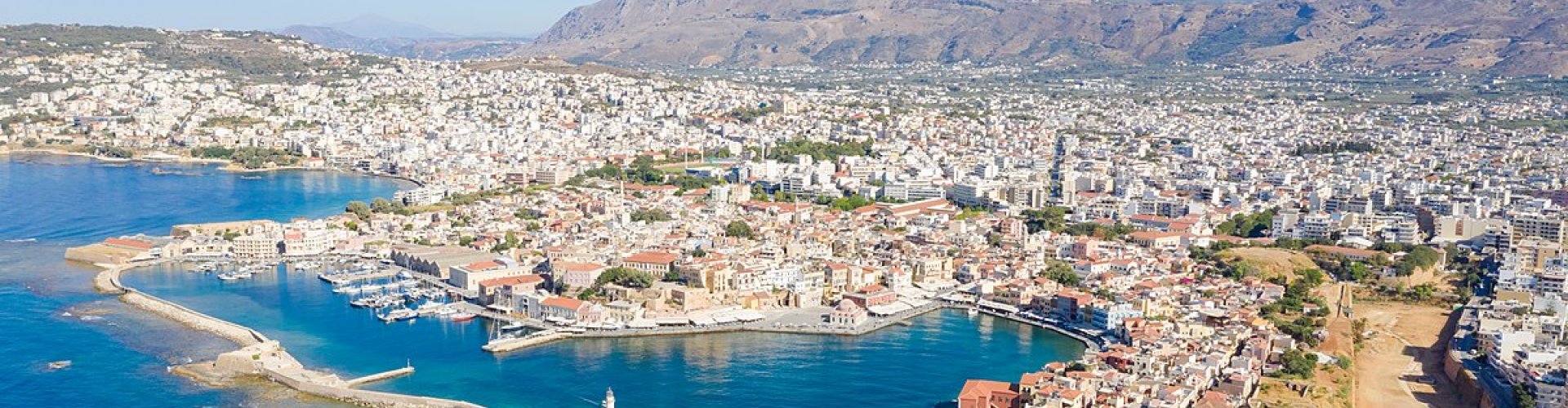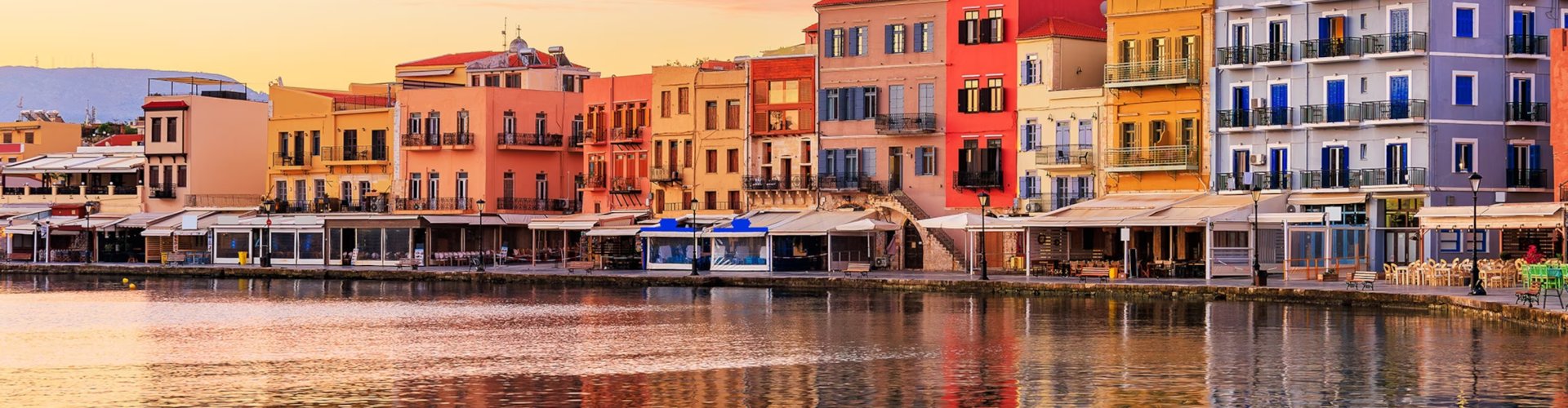
Stepping into Chania, GR, you’re immediately swept into an enchanting mosaic of history and culture. The sound of your footsteps resonates softly against ancient stone corridors inside grand Venetian halls where time seems beautifully paused. Outside, the crumbling harbour walls frame a vista where pastel-coloured fishing boats bob gently beneath a blazing Crete sun. The air carries whispers from Byzantine churches, Ottoman fountains, and eclectic museums that cradle centuries-old artefacts. Each alley and gallery invites you deeper into Chania’s tale - a city where East meets West, and every corner hums with stories waiting for you to unlock.
Quick Facts about Chania, GR
- Population & Language: Approximately 108,000 residents; official language Greek with English widely spoken in tourist areas.
- Currency & Payment: Euro (€); credit/debit cards accepted, contactless widely used in museums and cafes.
- Best Seasons for Cultural Sightseeing: Spring (April–June) and Autumn (September–October) offer mild weather and fewer crowds.
- Airport & Station Distance: Chania International Airport is 15 km west of the historic centre; main bus station about 1 km away.
- Cheapest Full-Day Transport Pass: €5.50 (City bus pass), valid for unlimited rides citywide (April 2025).
- Typical Cappuccino Cost: €2.70 near major museums (checked April 2025).
Why Visit Chania, GR for History & Culture?
Chania, GR, is a living palimpsest of history and culture standing proudly on the northwestern coast of Crete. Its heritage is marked by a compelling fusion of Venetian grandeur, Ottoman artistry, and Greek tradition that you can witness across layers of architecture, from imposing fortresses to ornate mosques and refreshing botanical gardens. For lovers of museums and history, this city offers a rich narrative embroidered through excellent historical museums, galleries well-stocked with archaeological finds, and cultural hubs showcasing local craftsmanship and folklore.
What makes Chania unique as a popular destination in Chania, GR, is the accessibility of these treasures. The compact old town, full of cobblestone streets and harbour fronts, encourages exploration at a relaxed pace, perfect for a 2–3 day cultural visit. Here, you’ll immerse yourself in the tactile sense of history by touching weathered stone, smelling the salty sea air mingled with traditional Cretan cuisine aromas, and hearing lively local voices recounting legends beneath ancient arches. This rich blend of experiences ensures visitors don’t just see history - they feel it.
Whether you’re tracing Venetian footsteps in fortress museums or uncovering archaeological chapters at the Archaeological Museum of Chania, the city pulses with stories that bind its communities. Taking in popular destinations in Chania, GR, means having your curiosity rewarded around every corner, with each museum and monument offering a distinct lens on Crete’s complex past and vibrant present.
Top 10 Must-See Museums & Historical Sites
- Archaeological Museum of Chania – Houses artefacts from the Neolithic to Roman periods, highlighting local history with immersive exhibits.
- Maritime Museum of Crete – Showcases naval history with ship models, maritime equipment, and WWII exhibits located in the former Venetian fortress.
- Etz Hayyim Synagogue – One of the few active historic synagogues in Greece, beautifully restored and set in a quiet labyrinth of the old town.
- Firkas Fortress – Once a defensive bulwark, now home to exhibitions on Venetian fortifications and local resistance during WWII.
- Chania Municipal Market – Not a museum but a vibrant historic site where you can experience traditional crafts, food, and folklore in a lively setting.
- Folklore Museum of Chania – Exhibits traditional costumes, household items, and crafts illustrating rural Cretan life.
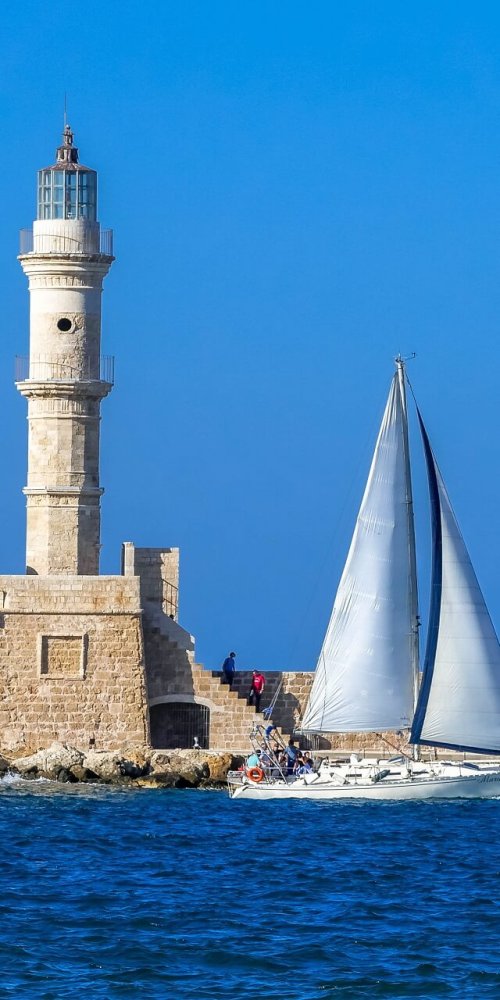
- Venetian Harbour & Lighthouse – The symbol of Chania, perfect for historic reflection amid scenic vistas and period architecture.
- Armenopoulos House – A Venetian-era mansion displaying period furniture and art, offering insights into Chania’s elite past.
- Turkish Bath (Hammam) – Restored historic bathhouse illustrating Ottoman architectural influence and social customs.
- History Museum of Crete – Located slightly outside Chania, it impressed visitors with detailed exhibitions on Cretan struggles and resilience.
Price & Time Grid: Museums & Landmarks at a Glance
| Site | Adult Ticket (€) | Avg Visit Time | Skip-the-Line? | Nearest Transport |
|---|---|---|---|---|
| Archaeological Museum | 6 | 1.5 hrs | Yes | Bus stop: Plateia 1866 |
| Maritime Museum | 5 | 1 hr | No | Taxi / Walking |
| Etz Hayyim Synagogue | 3 | 45 mins | No | Walking |
| Firkas Fortress | Free | 30 mins | N/A | Walking |
| Folklore Museum | 4 | 1 hr | No | Bus stop: Plateia 1866 |
| Armenopoulos House | 4 | 30 mins | No | Walking |
| Turkish Bath | 5 | 45 mins | No | Walking |
| History Museum of Crete | 8 | 2 hrs | Yes | Bus stop: Vassilika |
| Venetian Harbour & Lighthouse | Free | Varies | N/A | Walking |
| Municipal Market | Free | 1–2 hrs | N/A | Walking |
Visiting popular destinations in Chania, GR, can be comfortably planned using this table to balance ticket costs, visit duration, and transport convenience. Many sites are clustered in the old town, easing walking access while others are a short bus ride away. We recommend prioritising skip-the-line tickets for the Archaeological Museum and the History Museum of Crete during peak months (April–October), ensuring you spend more time exploring than queuing.
Historic Neighbourhood Snapshots
Old Venetian Harbour
Framed by the iconic lighthouse and bustling with fishermen’s boats, this area is the city’s heart. The harbour’s stone quays and surviving bastions reflect Venetian military prowess, while waterfront tavernas offer instant immersion into the local lifestyle. Here, you’ll find museums like the Maritime and Firkas Fortress, set against spectacular sunset views that make every visit unforgettable.
Topanas Quarter
A maze of narrow streets where Ottoman-era architecture persists. This quarter invites you to linger among arched doorways, converted mosques, and cosy courtyards. Its quieter pace makes it perfect to visit Etz Hayyim Synagogue and the Turkish Bath, feeling the true spirit of the city’s diverse cultural fabric.
Nea Chora
A lively neighbourhood close to the sea, mixing traditional fishing village charm with modern life. In Nea Chora, the City Market pulses with fresh produce and handicrafts, while nearby beaches offer moments of relaxation after a day absorbing Chania’s history.
Kentro & Plateia 1866
The city’s bustling hub is home to the Archaeological and Folklore Museums. Plateia 1866’s palm-lined plaza is a favourite meeting spot, where locals and visitors converge against the backdrop of neoclassical architecture and street musicians.
Hidden Museums & Cultural Gems
- The Folk Art Museum: Quietly nestled in the old town, this small gem features rare textiles and weaving traditions.
- Maroulas Monastery Archaeological Site: A peaceful spot offering artefacts and ruins that reveal monastic life centuries ago.
- Public Bonsai Collection at the Botanical Gardens: A surprisingly tranquil cultural site showcasing nature’s artistry in Chania.
Getting Around the Historic City
Chania does not have a metro or tram system, but it compensates with a reliable bus network that easily connects the airport, main train station, and key historic sites. Local lines run frequently from Plateia 1866, making public transport an affordable and eco-friendly choice to explore sights beyond the old town.
Walking remains the best way to soak in the ambience of the narrow lanes, piazzas, and harbour promenades; your shoes become an instrument discovering hidden alleys and little-known cafes. Several well-marked walking routes guide you through layers of Chania’s layered history in compact, manageable circuits.
Consider purchasing a 24-hour or multi-day city bus pass for convenience and savings, especially if your Chania, GR itinerary spans beyond the historic centre.
Taxis provide a quick alternative, particularly for early morning or late-night museum visits and for seamless airport transfers.
Money-Saving Tips for Museum Lovers
- Purchase combined tickets where available, such as the Archaeological Museum and Folklore Museum combo, to reduce total cost.
- Visit museums during free-entry days, typically the first Sunday of each month (verify dates locally).
- Book skip-the-line tickets online in advance to avoid last-minute surcharges and long queues.
- Use public transport passes or walk between clustered attractions to save on taxi fares.
- Enjoy local cafés away from the main tourist hubs for affordable refreshments during your cultural explorations.
Sample 3-Day Cultural Itinerary
- Day 1: Start at the Archaeological Museum, stroll through Kentro and Plateia 1866, visit the Folklore Museum, finish with sunset at the Venetian Harbour and Lighthouse.
- Day 2: Explore the Maritime Museum and Firkas Fortress, wander Topanas Quarter to visit Etz Hayyim Synagogue and Turkish Bath, dine in a local taverna.
- Day 3: Visit Armenopoulos House and the History Museum of Crete, enjoy the Municipal Market in Nea Chora, relax on nearby beaches or botanical gardens.
Eight Mistakes Cultural Weekend Travellers Make
- Overpacking museums in a single day leading to fatigue and rushed visits.
- Ignoring advance ticket bookings, resulting in long waits or missing popular attractions.
- Underestimating walking time between sites in the old town’s labyrinthine streets.
- Visiting during peak summer months without early planning, facing crowds and high prices.
- Skipping smaller museums or hidden gems that offer unique, intimate insights.
- Failing to use public transport passes, leading to unnecessary spending on transport.
- Dining exclusively in touristy zones rather than exploring local culinary spots for authentic flavour and value.
- Neglecting to check updated opening hours or seasonal closures of certain museums.
Frequently Asked Questions
What is the best time of year for a weekend trip to Chania, GR?
Spring (April–June) and early autumn (September–October) provide pleasant weather, fewer tourists, and ideal conditions for visiting museums and historic sites comfortably.
Are there guided tours available for popular destinations in Chania, GR?
Yes, many museums offer guided tours in English and Greek; additionally, private cultural walking tours cover key historic neighbourhoods and landmarks, enhancing your 48-hour guide Chania, GR experience.
Is English widely spoken around Chania’s museums and historic sites?
English is commonly spoken in museums, galleries, and tourist areas, making it easy for international visitors to engage with exhibits and staff.
Can I combine visits to multiple sites in one day?
Absolutely. The compact layout of Chania’s historic centre enables you to explore several top attractions Chania, GR, daily, especially if you plan your itinerary thoughtfully around proximity and opening hours.
Call to Action
Your journey through popular destinations in Chania, GR, promises a deep dive into a city where history breathes through every stone and museum display. Share your cultural discoveries, leave your tips below, and subscribe to our newsletter for more inspired itineraries. There's an entire world of Chania’s stories waiting - ready to enrich your next weekend trip to Chania, GR?