The moment you step into Milan, you’re enveloped by a symphony of sounds and sights that whisper stories across centuries. The faint echo of footsteps reverberate through ancient stone corridors in museums, each step inviting you to a rediscovery of art, power, and innovation. Outside, the splendid façades of palazzos and Gothic spires pierce the sky, framing piazzas alive with the buzz of café patrons and the clatter of tram bells. From Leonardo da Vinci’s genius captured in delicate brushstrokes to the modernist flair of the 20th century’s architectural marvels, Milan offers a sensory journey across time - inviting you to feel its pulse through its vibrant blend of tradition and contemporary culture.
Milan at a Glance
- Population & Official Language(s): 1.4 million; Italian
- Local Currency & Payment: Euro (€); contactless cards and mobile payments widely accepted
- Best Seasons for Cultural Sightseeing: Spring (April–June) and Autumn (September–October) offer mild weather and fewer crowds
- Airport / Main Station Distance: Malpensa Airport 50 km / Milan Centrale Station 2 km from city centre
- Cheapest Full-Day Transport Pass: €7 (ATM Day Ticket, April 2025)
- Cappuccino near Museums: €2.50 (average, April 2025)
Why Visit Milan, IT for History & Culture?
Milan may be a global fashion and business hub, but beneath the sleek modern surface lies a treasure trove of history and culture. Known since Roman times as a city of strategic importance, Milan’s layers of architecture reveal centuries of political shifts and artistic revolution. Its museums house masterpieces ranging from Gothic sculptures to Renaissance paintings, reflecting Milan’s role as a crucible of innovation and creativity.
Visiting Milan for its cultural gems is like tracing the city’s transformation - from the splendour of the Sforza Dynasty to the brilliance of Leonardo da Vinci and beyond. The compact historic centre lets you immerse yourself in this rich heritage efficiently, making it ideal for a well-paced 2–3 day itinerary. Whether strolling through grand galleries, wandering cobblestone streets in historic districts, or sipping espresso in charming piazzas, you’ll find Milan effortlessly blends depth with accessibility. This blend makes it one of the popular destinations in Milan, IT for travellers craving a culturally enriched weekend trip.
Moreover, Milan’s famed museums and landmark buildings span all eras, offering something for every enthusiast. The city balances famous landmarks such as the Duomo with lesser-known cultural havens tucked away in atmospheric neighbourhoods, creating an engaging experience that is as approachable as it is unforgettable. This is the perfect setting for your journey among the top attractions Milan, IT has to offer.
Top 10 Must-See Museums & Historical Sites
- Pinacoteca di Brera: Home to Italy's finest collection of Renaissance art, featuring works by Caravaggio and Raphael, set within an 18th-century palace.
- Sforza Castle (Castello Sforzesco): A majestic 15th-century fortress housing multiple museums including Michelangelo’s unfinished sculpture, the Rondanini Pietà.
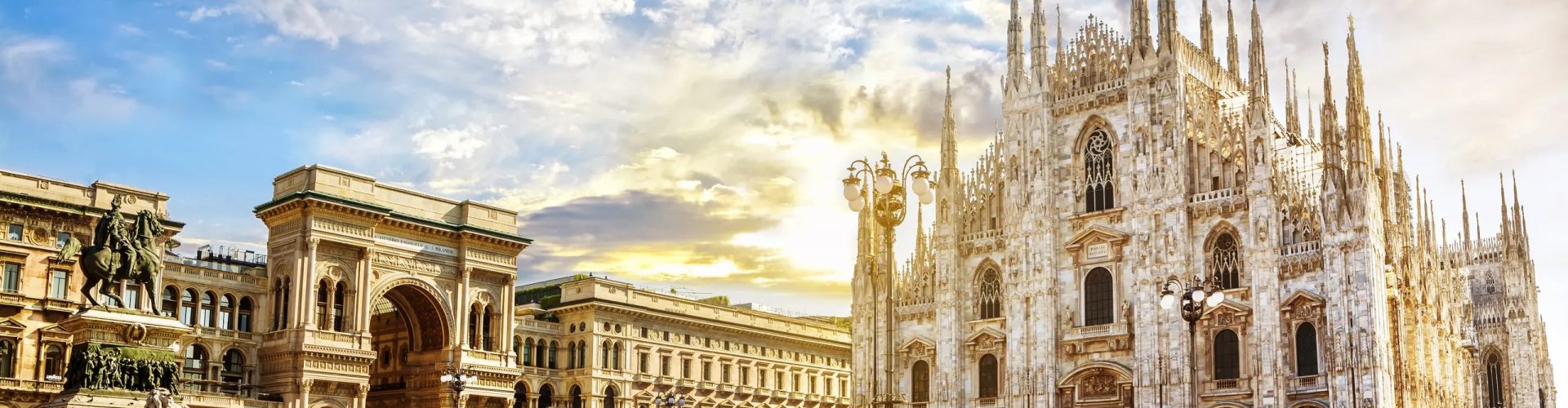
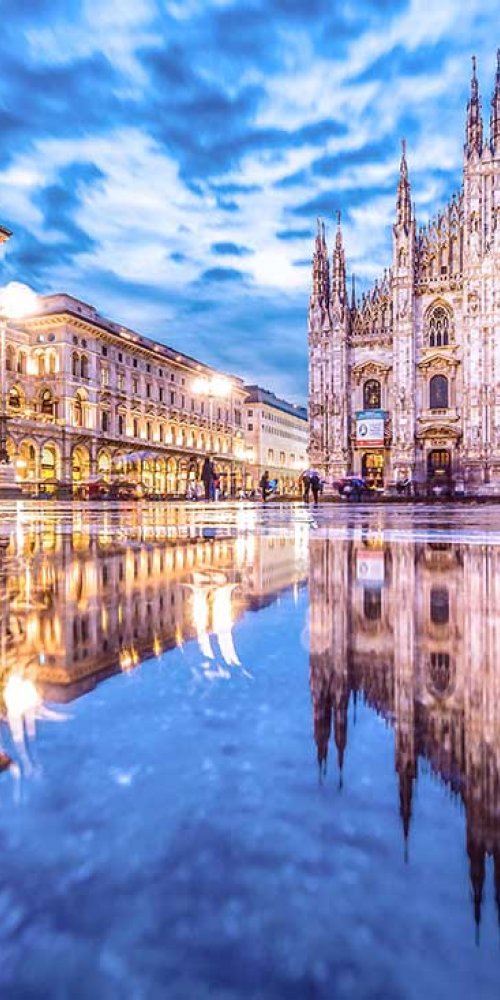
- Duomo di Milano: Milan’s iconic Gothic cathedral offers breathtaking architecture, rooftop terraces with panoramic city views, and rich ecclesiastical history.
- Leonardo da Vinci’s Last Supper (Santa Maria delle Grazie): Experience this unparalleled mural masterpiece - reservations essential for limited daily tickets.
- Museo del Novecento: A treasure trove of 20th-century Italian art, located near Piazza del Duomo, showcasing futurism, abstract art, and modernist movements.
- La Triennale di Milano: Italy’s premier design and contemporary art museum featuring rotating exhibitions on architecture and design innovation.
- Villa Necchi Campiglio: An exquisite 1930s Milanese villa with original furnishings, revealing the lifestyle of Milan’s elite between the wars.
- San Maurizio al Monastero Maggiore: Often called the “Sistine Chapel of Milan” for its vivid Renaissance frescoes spanning entire walls and ceilings.
- Ambrosiana Library and Gallery: Houses precious manuscripts and artworks, including Botticelli’s works and drawings by Leonardo da Vinci.
- Brera District: Explore this bohemian district’s historic streets, artisan shops, and artsy cafés, a living gallery of Milan’s cultural vibrancy.
Price & Time Grid: Museums & Landmarks at a Glance
| Attraction | Adult Ticket (€) | Average Visit Time | Skip-the-Line Option | Nearest Metro/Tram Stop |
|---|---|---|---|---|
| Pinacoteca di Brera | 15 | 2 hours | Yes | Metro L2 (Lanza) |
| Sforza Castle Museums | 10 | 2.5 hours | Yes | Metro L1/L3 (Cairoli) |
| Duomo di Milano | 15 (including rooftop) | 1.5 hours | Yes | Metro L1/L3 (Duomo) |
| Leonardo's Last Supper | 15 | 30 mins | No (strict booking system) | Metro L1 (Conciliazione) |
| Museo del Novecento | 10 | 1.5 hours | Yes | Metro L1 (Duomo) |
| La Triennale di Milano | 12 | 2 hours | Yes | Metro L1 (Cadorna) |
| Villa Necchi Campiglio | 12 | 1.5 hours | Yes | Metro L3 (Montenapoleone) |
| San Maurizio al Monastero | 5 | 45 mins | No | Tram 16 (San Maurizio) |
| Ambrosiana Library & Gallery | 15 | 1.5 hours | Yes | Metro L1 (Duomo) |
| Brera District | Free to explore | Variable | N/A | Metro L2 (Lanza) |
With entrances mostly between €10–15, Milan’s museums offer excellent value, especially when bought online with skip-the-line options. Average visit times range from shorter stops at the Last Supper to immersive excursions at the Sforza Castle. The city’s efficient public transport links ensure easy connections between top attractions Milan, IT boasts. Planning your route around nearest metro and tram stops maximises your sightseeing time.
Historic Neighbourhood Snapshots
Brera
Brera feels like Milan’s artistic soul, with narrow streets echoing with past painters and writers’ footsteps. Its cobblestone lanes are lined with galleries, antique shops, and bohemian cafés where the scent of freshly ground coffee blends with old book pages. Come evening, brass bands and street musicians offer an audible complement to the vibrant visual landscape, making Brera perfect for leisurely exploration.
Porta Nuova
A striking contrast to historic Milan, Porta Nuova showcases contemporary architecture with twisting towers and glass-clad skyscrapers. Yet, even here history seeps through - stone remnants from Roman walls peek beneath glass façades, symbolising Milan’s blend of old and new. This district is where the city’s future meets its past, ideal for culture lovers eager to witness this juxtaposition.
Navigli
Once a network of canals designed by Leonardo da Vinci, Navigli is now a lively neighbourhood to soak in Milan’s everyday charm. Beyond the dinner crowds, find hidden art studios and small historic churches. Its waterside walks at sunset are unforgettable and offer a fresh cultural perspective, combining vibrant nightlife with a deep sense of place.
Centro Storico
The beating heart of Milan’s heritage, Centro Storico boasts the Duomo and Galleria Vittorio Emanuele II. Here, centuries of architecture and history are visible in every stone, inviting you to immerse yourself amidst regal palaces and bustling piazzas. Walking through this district lays the foundation for any serious exploration of Milan’s top must-see sights.
Hidden Museums & Cultural Gems
- Bagatti Valsecchi Museum: A Renaissance-style home preserving exquisite art and furnishings with a quiet, intimate feel.
- Casa Museo Boschi Di Stefano: Showcasing 20th-century Italian art in a family residence, often overlooked by visitors.
- Istituto dei Ciechi Library: Historic texts and braille literature collections, a niche cultural spot revealing Milan’s commitment to inclusive heritage.
Getting Around the Historic City
The Metro network is your backbone for rapid city navigation, notably lines M1, M2, and M3 that intersect near many popular destinations in Milan, IT. Trams, some centuries-old, add charm and connect less central areas, while buses fill in other gaps, perfect for reaching hidden museums or local markets.
Walking in historic districts like Centro Storico and Brera is both practical and rewarding, letting you soak in the layers of architecture and street life. Strong pedestrian zones encourage exploration without traffic noise, creating inviting atmospheres for cultural discovery.
Multi-day transport passes offering unlimited rides on metro, bus, and trams are best acquired at stations or newsstands. At €7 for a daily ticket, they represent excellent value, especially if you plan multiple stops at museums and landmarks.
Be sure to validate tickets before boarding and keep your transport card handy - spot checks are frequent. Remember that Milan’s efficient transport system is a cultural experience itself, with vintage trams and modern trains coexisting harmoniously.
Money-Saving Tips for Museum Lovers
- Purchase combo tickets or city passes that bundle entry to multiple top attractions Milan, IT offers.
- Visit museums during the first Sunday of each month for free entry (check for limited access beforehand).
- Book online in advance to secure skip-the-line and sometimes discounted rates.
- Use student, senior, or EU citizen discounts wherever applicable.
- Start your day early; some ticket prices drop after midday for afternoon visits (City Museum Authority, April 2025).
Sample 3-Day Cultural Itinerary
- Day 1: Begin at the Duomo, explore the rooftop terraces, then visit Museo del Novecento nearby. Afternoon stroll through Brera with a stop at Pinacoteca di Brera. Evening aperitivo along Via Brera.
- Day 2: Morning focused on the Sforza Castle museums. Pre-book the Last Supper for late morning. Afternoon at Ambrosiana Library & Gallery and a walk in Centro Storico.
- Day 3: Explore Villa Necchi Campiglio in the morning, then La Triennale for contemporary design. Spend late afternoon soaking in the ambiance along the Navigli canals.
Eight Mistakes Cultural Weekend Travellers Make
- Overpacking too many must-see sights, leading to rushed visits and exhaustion.
- Neglecting to pre-book tickets for high-demand sites like the Last Supper.
- Underestimating walking times between museums and transport stops.
- Visiting during peak summer months without preparing for crowds and heat.
- Forgetting to validate public transport tickets, risking fines.
- Skipping lesser-known museums that enrich your understanding of Milan’s heritage.
- Not wearing comfortable shoes for cobblestone streets and stairways.
- Failing to check opening hours for seasonal changes, especially on Mondays.
Frequently Asked Questions
What is the best time to visit Milan for cultural sightseeing?
Spring (April–June) and autumn (September–October) provide pleasant weather and manageable crowds, ideal for exploring popular destinations in Milan, IT.
Are there any city passes to save money on museum entry?
Yes, the MilanoCard and other combination tickets cover many top attractions Milan, IT offers and include public transport discounts.
How much time should I allocate for visiting the Last Supper?
The visit is strictly timed to 15-30 minutes, but secure your tickets well in advance and arrive early to allow for security checks.
Is it easy to explore Milan on foot?
The historic centre is compact and pedestrian-friendly, especially in areas like Brera and Centro Storico, making walking an enjoyable option.
Call to Action
Ready to embark on your cultural journey through some of the most popular destinations in Milan, IT? Share your own stories or ask questions in the comments below. Don’t forget to subscribe to our newsletter for more insider guides to Europe’s top attractions and hidden gems. Let Milan’s vibrant heritage inspire your next weekend trip or 48-hour guide Milan, IT adventure!