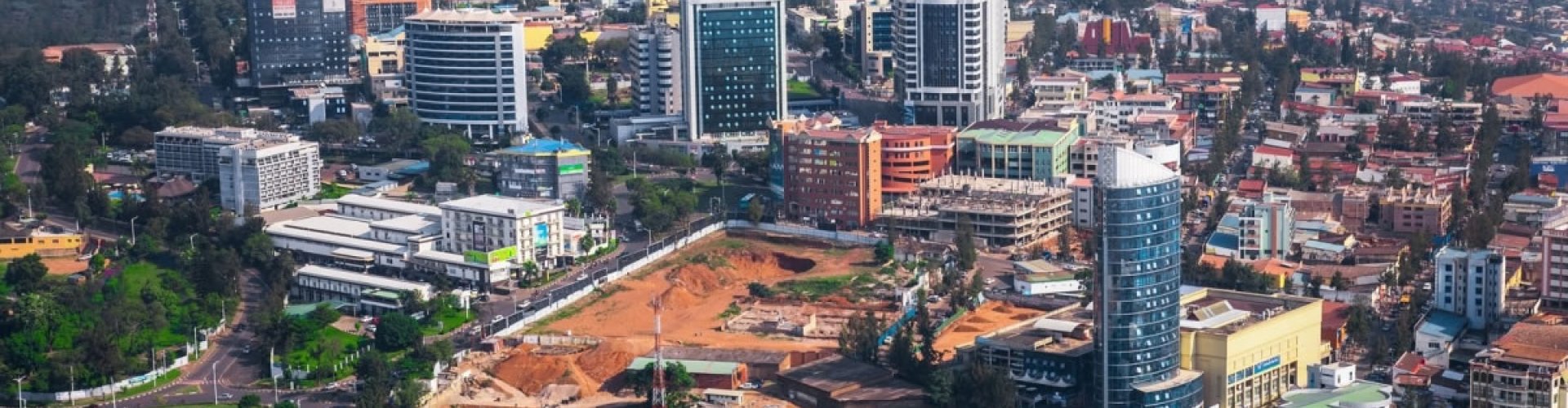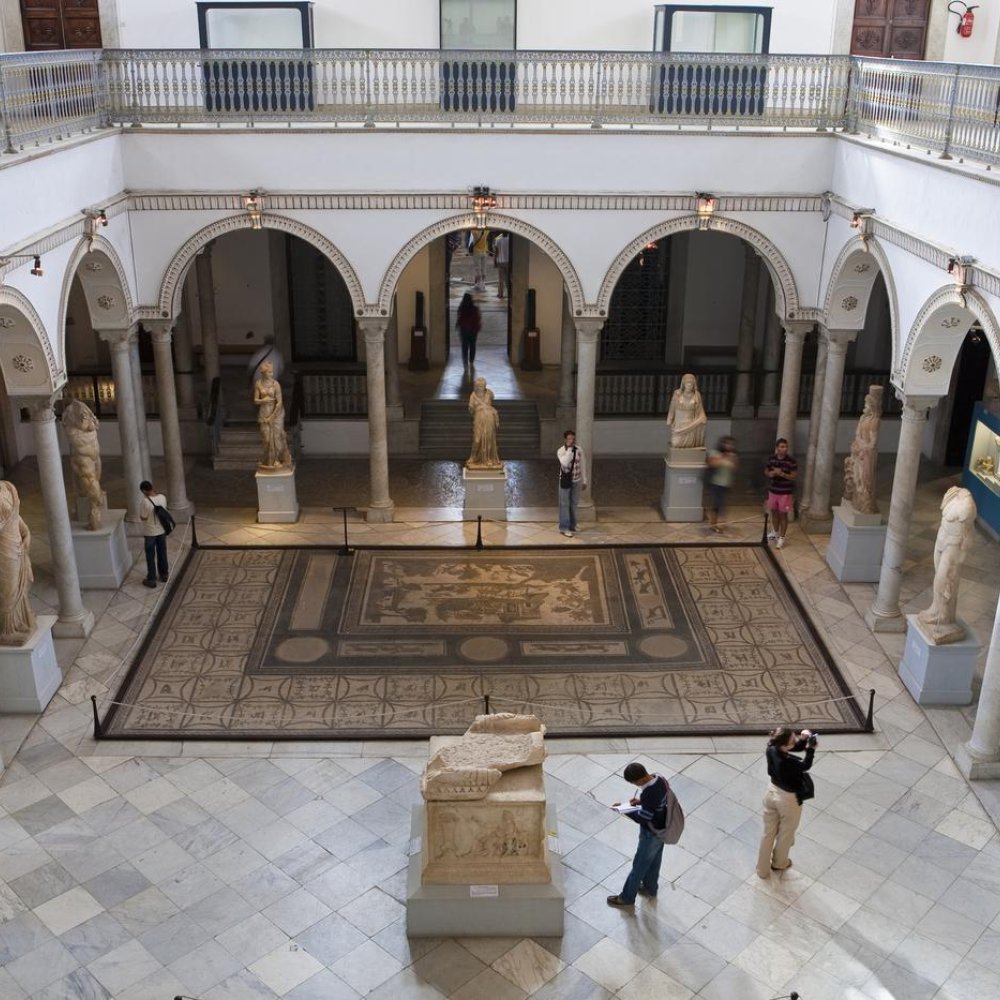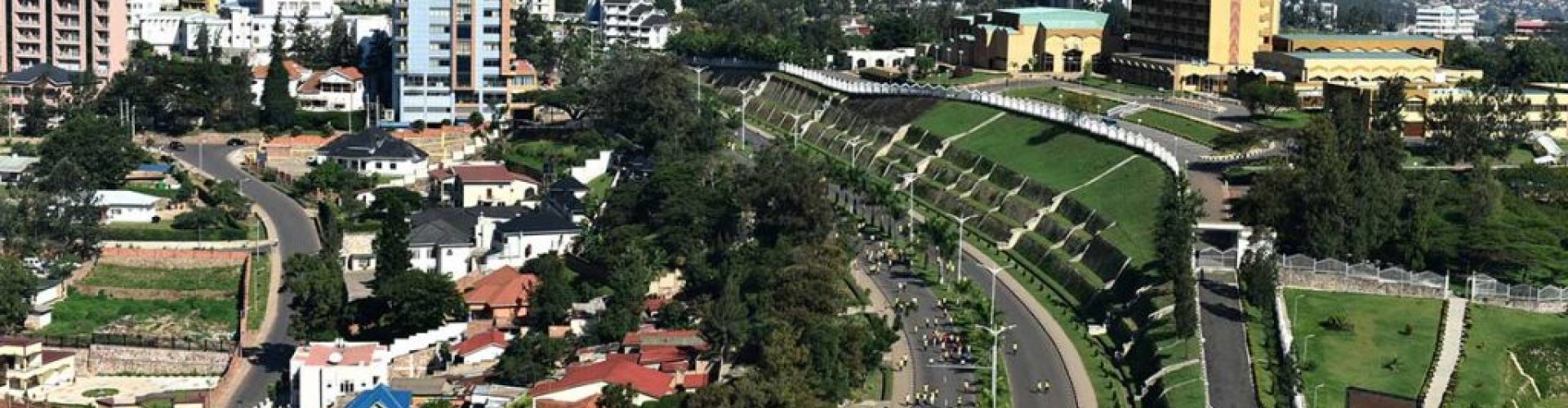
As your footsteps echo softly against the polished stone floors of Kigali’s museums, a quiet reverence envelops you. The city hums with history, yet feels alive in its vibrant streets where colourful markets chatter just beyond solemn memorials. Glimmers of craftsmanship - intricate wood carvings, traditional textiles - catch your eye amid sleek galleries and colonial-era architectures standing resilient through time. At the heart of Rwanda’s capital lies a cultural tapestry woven from stories of resilience, hope, and renewal. From the silent solemnity of genocide memorials to the joyful hum of contemporary art spaces, you are invited to journey through Kigali’s soul, discovering layers of history and thriving heritage where past and present converse in compelling ways.
Quick Facts about Kigali, RW
- Population & Language: Approx. 1.2 million; official languages Kinyarwanda, English, French, and Swahili
- Currency & Payments: Rwandan Franc (RWF); mobile money and card payments widely accepted
- Best Seasons for Cultural Sightseeing: June–September (cool, dry with fewer crowds), December–February (warm but manageable crowds)
- Airport to Historic Centre: Kigali International Airport - 10 km (about 25 minutes by taxi)
- Public Transport Pass: Full-day bus pass approx. €1.50, Bus Rapid Transit system expanding
- Cappuccino near Museums: Around €2.50 (March 2025)
Why Visit Kigali, RW for History & Culture?
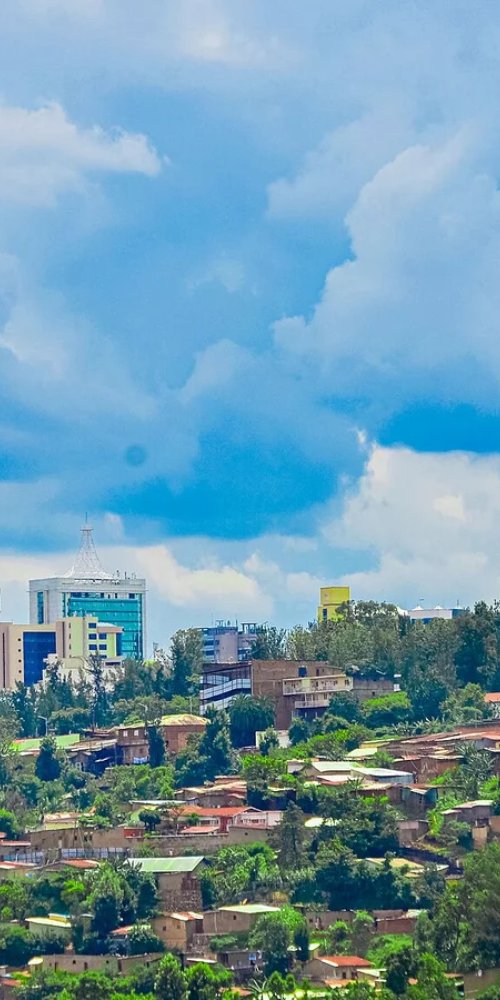
In the heart of East Africa, Kigali emerges as a beacon of cultural resilience and transformation. The city’s museum scene is a powerful testimony to Rwanda’s layered history - from rich indigenous traditions to the transformative post-genocide rebirth. You’ll find a mosaic of experiences: intimate local art galleries and internationally recognised memorial museums sit alongside colonial-era buildings and vibrant craft markets. Kigali’s architectural landscape reflects these narratives, blending contemporary designs with echoes of the past.
What makes Kigali truly captivating is how seamlessly history and modernity intertwine here. A weekend trip to Kigali, RW is not merely a sightseeing exercise but a deeply immersive journey into the spirit of Rwanda. You can trace the footsteps of history while enjoying contemporary urban vibrancy. In just 2–3 days, you can taste traditional Rwandan cuisine, connect with local artisans, and dive into thoughtful exhibitions that challenge and inspire.
This city perfectly fits the mould for popular destinations in Kigali, RW thanks to its compact, walkable historic centre enriched with meaningful cultural landmarks. Whether you seek stories of endurance at genocide memorials, insights into traditional Rwandan life, or encounters with the country’s thriving art scene, Kigali offers a comprehensive and authentic cultural encounter you won’t soon forget.
Top 10 Must-See Museums & Historical Sites in Kigali, RW
- Kigali Genocide Memorial: A poignant, humbling space dedicated to remembering the 1994 genocide with interactive exhibits and mass graves, offering a vital context for understanding Rwanda’s modern identity.
- Kandt House Museum of Natural History: Explore Rwanda’s colonial past and natural environment through the home of German explorer Richard Kandt, featuring original artefacts and ethnographic displays.
- Niyo Art Gallery: Home to contemporary Rwandan artworks, this gallery highlights evolving creative expressions reflecting the country’s cultural revitalisation.
- Inema Arts Centre: A bustling hub for artists, this centre combines exhibitions, workshops, and performances showcasing modern African art forms.
- Campaign Against Genocide Museum: Focused on grassroots efforts to raise awareness before and during the genocide, this museum gives voice to survivors’ resilience and international solidarity.
- Kigali Cultural Village: A living museum celebrating traditional crafts, dance, and music, perfect for immersive experiences beyond traditional galleries.
- Presidential Palace Museum: The former residence of President Habyarimana, showcasing period furnishings and artefacts that reveal Rwanda’s political history.
- Nyamirambo Women’s Centre: A community-run cultural space promoting local women’s history through guided neighbourhood tours and storytelling.
- Camp Kigali Memorial: Commemorating the ten Belgian UN peacekeepers killed during the genocide, this site offers insight into international involvement.
- Musanze Caves Heritage Site: Although a short drive from Kigali, these ancient caves connected to Rwandan legends provide a powerful slice of indigenous history.
Price & Time Grid: Museums & Landmarks at a Glance
| Site | Adult Ticket (€) | Avg Visit Time | Skip-the-Line | Nearest Metro/Tram Stop |
|---|---|---|---|---|
| Kigali Genocide Memorial | 5 | 2 hours | No | City Centre Loop |
| Kandt House Museum | 3 | 1.5 hours | No | Heritage Line |
| Niyo Art Gallery | Free | 1 hour | N/A | Downtown Station |
| Inema Arts Centre | 4 | 1.5 hours | No | Art Plaza Stop |
| Campaign Against Genocide Museum | 4 | 1 hour | No | Memorial Hub |
| Kigali Cultural Village | 6 | 2 hours | No | Village Terminal |
| Presidential Palace Museum | 3.50 | 1 hour | Yes | Historic Route |
| Nyamirambo Women’s Centre | Donation-based | 1.5 hours | N/A | Nyamirambo Stop |
| Camp Kigali Memorial | Free | 45 mins | N/A | Memorial Hub |
| Musanze Caves Heritage Site | 8 (incl. transport) | 3 hours | No | Bus Station Musanze |
This comprehensive grid equips you to maximise your visit to popular destinations in Kigali, RW with clarity on cost and convenience. Most key sites cluster near the historic centre’s transport hubs, ideal for navigating quickly between must-see sights Kigali, RW offers. Prioritising sites like the Kigali Genocide Memorial and Kandt House lets you build respectful, enriching days balancing deep reflection and cultural celebration. Purchasing transport passes early helps with efficient connections, complementary to your Kigali, RW itinerary and 48-hour guide plans.
Historic Neighbourhood Snapshots
Nyamirambo
A lively quarter blending tradition and change, Nyamirambo pulses with colour and community spirit. Narrow streets brim with mosques, artisan workshops, and vibrant markets. Walking here immerses you in everyday Rwandan life, with neighbourhood tours revealing stories of resilience and renewal. The Nyamirambo Women’s Centre invites you deeper into local histories through personal storytelling and hands-on craft experiences.
Kimisagara
Once a colonial administrative district, Kimisagara now contrasts broad avenues with quaint markets and heritage buildings. Its museums, including the Campaign Against Genocide Museum, preserve memories of Rwanda’s past struggles while the area hums with youth-driven cultural energy in cafes and art spaces.
Downtown Kigali
The urban heart where colonial and post-independence eras intersect, Downtown houses Kigali's older museums like Kandt and the Presidential Palace Museum. Architectural diversity here ranges from early 20th-century stone buildings to bold contemporary structures, making your stroll a visual history lesson.
Gikondo
Emerging as an artistic hotspot, Gikondo supports Kigali’s creative revival with galleries and community theatres. It is a quieter district where visitors can reflect on cultural narratives beyond the mainstream museum circuit.
Hidden Museums & Cultural Gems
- Windows of Hope Art Gallery: A small space supporting HIV-positive artists through thought-provoking exhibitions.
- Belgian Peacekeepers’ Memorial Chapel: A serene site dedicated to UN peacekeepers lost in 1994, tucked away from busier tourist routes.
- Rwanda Liberation Museum: Showcasing the journey of Rwanda’s liberation struggle with rare photos and oral histories.
Getting Around the Historic City
The city’s transport options are steadily modernising with plans for a light rail system underway, but currently, public buses form the backbone for exploring popular destinations in Kigali, RW. The Kigali Bus Rapid Transit offers an affordable and frequent option for tourists seeking to hop between museums and historic districts.
Walking remains one of the best ways to intimately experience the historic centre. Most key landmarks cluster within walkable distances, allowing you to soak in the vibrant street life and unexpected corners that transport passes simply can't reach.
For quicker or evening journeys, taxis and ride-hailing apps provide easy, safe access to cultural venues outside the downtown core. Negotiating fares in advance is wise when not using apps.
Transport passes, including daily and multi-day options, unlock unlimited travel on city buses. This is particularly cost-effective if you plan to explore popular attractions Kigali, RW over multiple days, streamlining your Kigali, RW itinerary or 48-hour guide seamlessly.
Money-Saving Tips for Museum Lovers
- Purchase combined tickets for museums that offer bundles, especially around the City Centre, to save up to 20%.
- Visit museums on local market days when many offer discounted or free entry for residents and tourists alike.
- Opt for guided group tours that often include museum entry and transport for a consolidated price.
- Use public transport passes instead of taxis for multiple destinations to cut travel expenses.
- Check museum websites or visitor centres for off-peak hour discounts or free exhibition days (City Museum Authority, April 2025).
Sample 3-Day Cultural Itinerary for Kigali, RW
Day 1: Reflect & Remember
- Morning at Kigali Genocide Memorial for deep historical context
- Afternoon walk through Downtown Kigali visiting Kandt House Museum and the Presidential Palace Museum
- Evening stroll to Nyamirambo Women’s Centre for community storytelling and dinner
Day 2: Artistic Vibrancy
- Morning at Inema Arts Centre including artist workshops
- Lunch at a local café near Niyo Art Gallery and enjoy contemporary art
- Explore Gikondo’s galleries and theatres in the late afternoon
Day 3: Local Lives & Hidden Gems
- Visit Kigali Cultural Village for traditional crafts and dance
- Quick visit to Camp Kigali Memorial
- Optional half-day tour to Musanze Caves Heritage Site for indigenous history
Eight Mistakes Cultural Weekend Travellers Make
- Trying to fit too many sites in a day, rushing through and missing deep appreciation.
- Overlooking local neighbourhoods like Nyamirambo, which offer authentic cultural immersion.
- Ignoring the significance of the genocide memorials and visiting without context or respect.
- Failing to check opening hours ahead, especially for small galleries with variable schedules.
- Relying solely on taxis, missing affordable and immersive public transport experiences.
- Skipping guided tours that provide rich historical and cultural insights you can’t find alone.
- Not budgeting time for local markets and crafts, vital for supporting community artisans.
- Overpacking your itinerary, leaving no room for spontaneous discoveries that define the city.
Frequently Asked Questions
What is the best time to visit Kigali for museums and cultural sites?
The cooler dry season from June to September offers comfortable weather and smaller crowds, making it ideal for exploring popular destinations in Kigali, RW.
Are guided tours necessary for visiting historic sites?
While not mandatory, guided tours greatly enhance understanding, especially at genocide memorials and the Presidential Palace Museum, by providing context and personal stories.
Is Kigali safe to explore on foot?
Yes, especially in the central historic districts. Always stay aware and consider local advice, but walking is rewarding and offers the richest cultural experience.
Can I combine visits to multiple museums on the same day?
Absolutely. The proximity of top attractions Kigali, RW allows strategic planning to visit several in a 48-hour guide or weekend trip with transportation passes.
Ready to Unlock Kigali’s Cultural Treasures?
Your journey through Kigali’s museums and historic sites promises not only insights but meaningful encounters with resilient spirits and creativity. Share your discoveries, ask questions, and subscribe to our newsletter for curated guides to Rwanda and beyond.