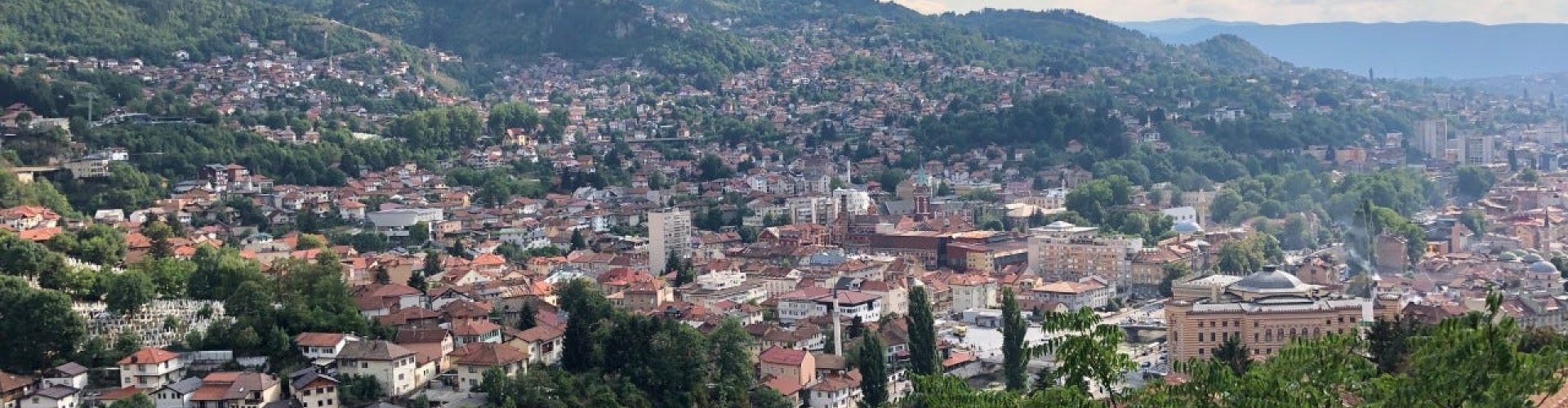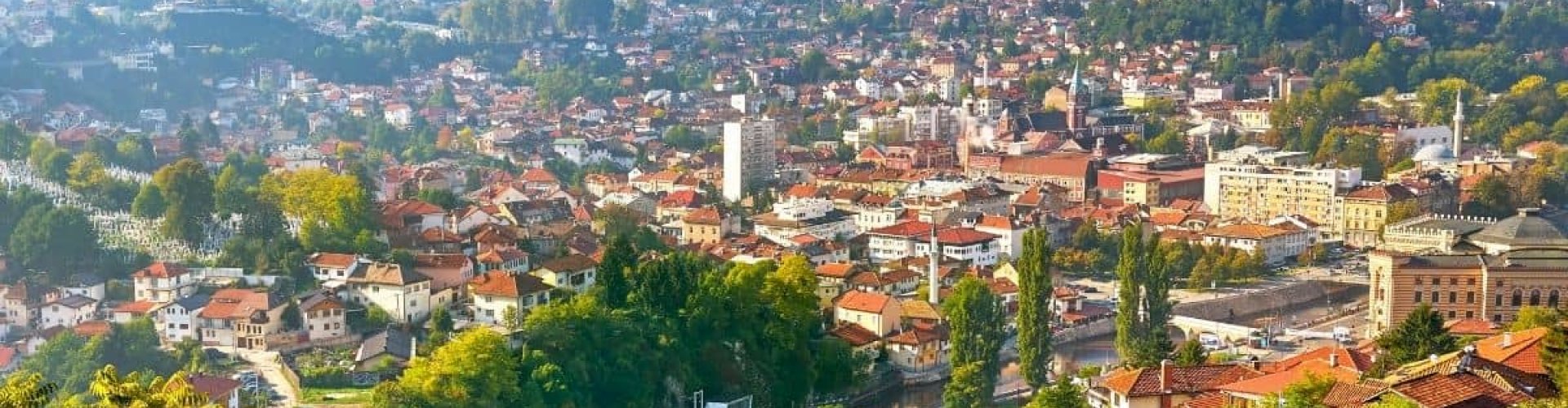
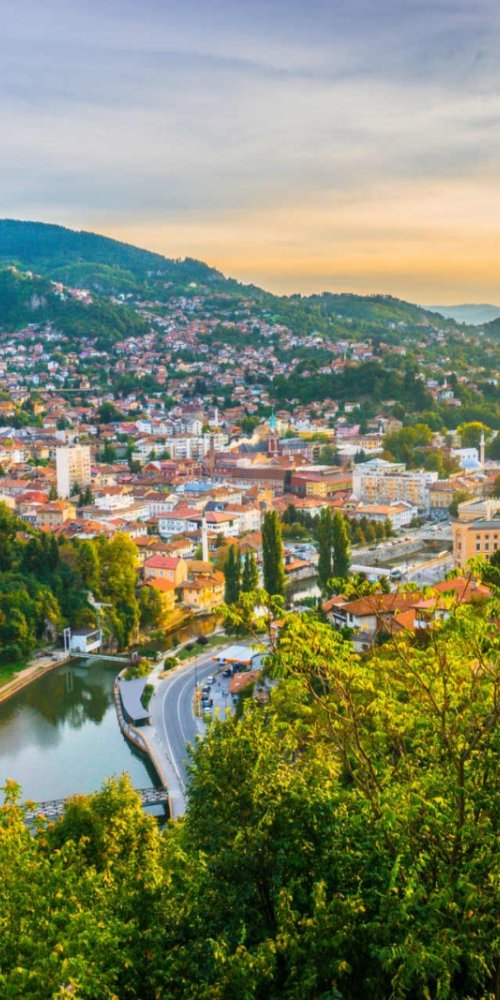
As you step into Sarajevo, BA, the city unfolds like a living museum - each cobbled street echoing centuries of stories. The soft clatter of footsteps in the ancient halls of the Gazi Husrev-beg Library mingles with the vibrant chatter spilling from bustling cafés nestled between Ottoman and Austro-Hungarian architectures. Sunlight dapples through the minarets and baroque façades, dusting historical artefacts under gallery lights and the peeling walls of heritage buildings. The air is thick with spices, history, and the hum of locals preserving traditions while embracing modern strides. This is not just an exploration; it’s a sensory journey through time and culture, wrapped in the warm embrace of Sarajevo’s soul.
Quick Facts about Sarajevo, BA
- Population & Official Language(s): Approximately 275,000; Bosnian, Croatian, Serbian
- Currency & Payments: Convertible Mark (BAM); cash widely used but credit/debit cards accepted in most museums and eateries
- Best Seasons for Cultural Sightseeing: Late spring to early autumn (May–September) offers mild weather and manageable tourist crowds
- Airport / Main Station Distance: Sarajevo International Airport is about 8 km from the historic centre; main station centrally located
- Cheapest Full-Day Public Transport Pass: Around BAM 5 (€2.50) for trams and buses (City Transport Authority, April 2025)
- Typical Cappuccino Cost Near Museums: BAM 3–4 (€1.50–2), checked March 2025
Why Visit Sarajevo, BA for History & Culture?
When you think of popular destinations in Sarajevo, BA, images of a city that has endured and embraced transformation often come to mind. Nestled in the heart of the Balkans, Sarajevo is a tapestry woven with threads of empires past - Ottoman minarets soar alongside Austro-Hungarian grand boulevards, while socialist-era monoliths whisper stories of resilience. This multifaceted cultural identity makes Sarajevo a compelling destination for any history lover.
In just 2–3 days, you’ll find that Sarajevo’s museums offer more than mere exhibitions: they serve as gateways to understanding the city’s complex past, from its role as the spark that ignited World War I at the Latin Bridge to the poignant reminders of the 1990s siege visible in poignant historical sites. The collection of museums is diverse, spanning traditional art and folk history to contemporary cultural expressions and war memorials.
The city’s architectural layers invite you to stroll between centuries within minutes. As you move through the historic bazaar of Baščaršija, the scent of freshly brewed Bosnian coffee and the clink of copper engravers provide a sensorial connection to Ottoman Serbia. Meanwhile, the Sarajevo Tunnel Museum tells a gripping story of survival, complementing the urban charm with a sobering narrative. Combining this with lively street life, authentic cuisine, and welcoming locals, Sarajevo truly shines as a top attractions Sarajevo, BA hub.
Planning a weekend trip to Sarajevo, BA ensures time to soak in both the iconic sights and the unexpected cultural pockets that enrich your experience. Whether you’re tracing the footsteps of history or enjoying the vibrant contemporary arts scene, the city's story will stay with you long after your 48-hour guide Sarajevo, BA comes to an end.
Top 10 Must-See Museums & Historical Sites
- Sarajevo War Tunnel Museum - Explore the underground refuge that kept the city connected during the Siege of Sarajevo, a moving testament to resilience.
- Gazi Husrev-beg Library - An architectural gem housing ancient manuscripts and Ottoman artefacts in the heart of Baščaršija.
- Historical Museum of Bosnia and Herzegovina - Offers an in-depth panorama of the country’s history, from prehistoric times through the 20th century.
- National Museum of Bosnia and Herzegovina - Home to the famed Sarajevo Haggadah and diverse archaeological treasures.
- Gallery 11/07/95 - Dedicated to war victims, this museum presents photo exhibitions that evoke powerful emotional responses.
- Vijećnica (City Hall and National Library) - A stunning Austro-Hungarian landmark, recently restored after wartime destruction.
- Latin Bridge - The site of Archduke Franz Ferdinand’s assassination, a pivotal moment in world history.
- Bijambare Nature Park and Caves - Combining natural beauty with historical cave sites near the city.
- Morica Han - Ottoman-era caravanserai offering insights into Sarajevo’s trading past and changing cultures.
- Sarajevo City Museum - Showcases the city’s diverse stories through exhibitions on daily life, crafts, and wartime history.
Price & Time Grid: Museums & Landmarks at a Glance
| Site | Adult Ticket (€) | Avg. Visit Time | Skip-the-Line Option | Nearest Tram Stop |
|---|---|---|---|---|
| Sarajevo War Tunnel Museum | 5 | 1.5 hrs | No | Ilidža |
| Gazi Husrev-beg Library | 3 | 1 hr | No | Baščaršija |
| Historical Museum of Bosnia and Herzegovina | 4 | 1.5 hrs | Yes | Marijin Dvor |
| National Museum of Bosnia and Herzegovina | 6 | 2 hrs | No | Marijin Dvor |
| Gallery 11/07/95 | 5 | 1.5 hrs | No | Skenderija |
| Vijećnica | Free* | 1 hr | No | Baščaršija |
| Latin Bridge | Free | 30 mins | Not Applicable | Baščaršija |
| Bijambare Nature Park | 3 | 3 hrs | No | Ilidža |
| Morica Han | Free | 30 mins | Not Applicable | Baščaršija |
| Sarajevo City Museum | 4 | 1.5 hrs | No | Baščaršija |
This pricing and timing overview simplifies your planning, helping you prioritise must-see sights Sarajevo, BA without the stress. Most museums are affordably priced, with average visit times between 1–2 hours, perfectly fitting into a 48-hour guide Sarajevo, BA itinerary. Public transport stops conveniently connect key sites, making hopping between top attractions Sarajevo, BA simple and efficient.
Historic Neighbourhood Snapshots
Baščaršija – The Ottoman Soul
Walking through Baščaršija feels like stepping into a centuries-old living postcard. This historic bazaar district is the beating heart of Sarajevo’s Ottoman legacy, where artisans craft copperware and traditional cevapi grills sizzle alongside mosques and madrassas. The architectural mélange here is a feast for the eyes, with narrow alleys opening onto lively squares filled with coffeehouses echoing centuries of cultural exchange.
Marijin Dvor – Austro-Hungarian Elegance
This leafy district showcases the city’s Austro-Hungarian past with grand boulevards, detailed façades, and institutions like the National Museum. A stroll here reveals the juxtaposition of imperial ambition and local spirit, with classical theatres and government buildings standing proudly among modern cafés – an ideal base to explore contemporary and historic Sarajevo alike.
Old Jewish Quarter – A Testament to Diversity
Though small, Sarajevo’s Old Jewish Quarter is rich in heritage and reflective of the city’s pluralistic past. Synagogues, museums, and cultural centres offer a glimpse of a community that profoundly shaped local history. The quiet streets here contrast with the bustle elsewhere, encouraging a contemplative pause during your itinerary.
Ilidža – Natural Springs and War History
Just outside the core city, Ilidža invites visitors with natural spas, river walks, and the Sarajevo War Tunnel Museum. It blends tranquil landscapes with important historical narratives, extending the cultural exploration beyond Sarajevo’s city limits into its scenic hinterland.
Hidden Museums & Cultural Gems
- Alija Izetbegović Museum – Intimate tribute to the first president of Bosnia and Herzegovina, offering personal artefacts and political history.
- National Gallery of Bosnia and Herzegovina – A quiet spot showcasing local and regional artists, less crowded but artistically rewarding.
- Despić House – Well-preserved Ottoman merchant home with exhibits on Sarajevo’s urban and commercial history.
Getting Around the Historic City
Despite its rich history, Sarajevo’s public transport is modern and reliable. The tram network forms the backbone of urban travel, connecting the historic centre with outlying districts and museums like the War Tunnel.
Complementing trams, buses offer flexible routes reaching less central cultural gems and neighbourhoods like Ilidža. Tickets are affordable, and you can purchase day passes for unlimited travel - perfect when juggling must-see sights Sarajevo, BA within a short itinerary.
Walking remains one of the most rewarding ways to explore. Many museums and historic districts cluster close together, allowing you to absorb the layered architecture and street life up close.
For visits to peripheral locations like Bijambare or the Alija Izetbegović Museum, taxis or ride-hailing services are a convenient option to save time.
Money-Saving Tips for Museum Lovers
- Purchase combined tickets where available, especially for clustered museums like in Baščaršija, to reduce overall costs.
- Visit museums on discounted or free entry days, often scheduled during national holidays or late afternoons.
- Use daily public transport passes to move efficiently between sites without purchasing single-trip tickets repeatedly.
- Buy souvenirs or local crafts from market stalls rather than museum shops to support artisans and save money.
- Take advantage of free walking tours focusing on history and culture to gain local insights without extra cost.
Sample 3-Day Cultural Itinerary
Day 1: Ottoman and Austro-Hungarian Layers
- Morning: Explore Baščaršija - Gazi Husrev-beg Library, Morica Han, and the bazaars
- Afternoon: Visit Vijećnica and the National Museum
- Evening: Relax with Bosnian coffee in a traditional café nearby
Day 2: Modern History and War Memorials
- Morning: Sarajevo War Tunnel Museum and Gallery 11/07/95
- Afternoon: Historical Museum of Bosnia and Herzegovina
- Evening: Stroll through Marijin Dvor and enjoy dinner at a local eatery
Day 3: Hidden Gems & Historic Neighbourhoods
- Morning: Visit Despić House and the Old Jewish Quarter
- Afternoon: Explore Bijambare Nature Park or Alija Izetbegović Museum
- Evening: Unwind in Baščaršija with live traditional music
Eight Mistakes Cultural Weekend Travellers Make
- Trying to cram too many museums into a single day, resulting in fatigue and shallow visits.
- Ignoring the importance of local tours or guides that provide vital context and stories.
- Overlooking transport logistics, like tram schedules, which can waste precious sightseeing time.
- Failing to check museum opening hours in advance, especially on holidays or weekends.
- Skipping smaller or lesser-known cultural sites that often offer unique perspectives.
- Not carrying local currency, limiting access to market stalls and smaller museums.
- Rushing through historic neighbourhoods on transport rather than appreciating them on foot.
- Underestimating Sarajevo’s weather variability – pack layers for sudden spring or autumn chills.
Frequently Asked Questions
What are the top attractions Sarajevo, BA that can be visited in two days?
Focus on Baščaršija, Vijećnica, Sarajevo War Tunnel Museum, and the National Museum for a well-rounded cultural experience within 48 hours.
How safe is Sarajevo for solo travellers interested in history?
Sarajevo is generally very safe for solo visitors. Museums and historic areas are well-patrolled, though normal city precautions apply.
Are there English-language guides and resources available at museums?
Most major museums offer English signage and audio guides, with knowledgeable staff ready to assist international visitors.
What is the best way to get a comprehensive Sarajevo, BA itinerary for a weekend?
Combining local tours with independent visits works best. Use public transport passes and plan museum visits around opening hours to maximise your time.
Call to Action
If this guide to popular destinations in Sarajevo, BA has inspired your next cultural adventure, we’d love to hear your thoughts! Share your own tips, favourite museums, or questions in the comments below. Don’t forget to share this with fellow history buffs and subscribe to our newsletter for more expertly curated weekend trip to Sarajevo, BA ideas.