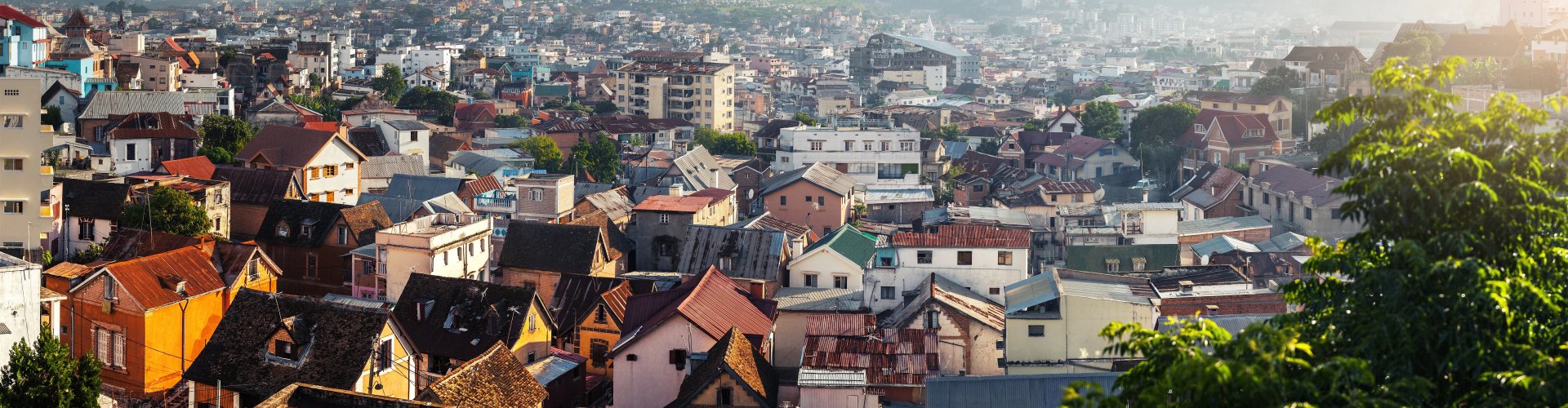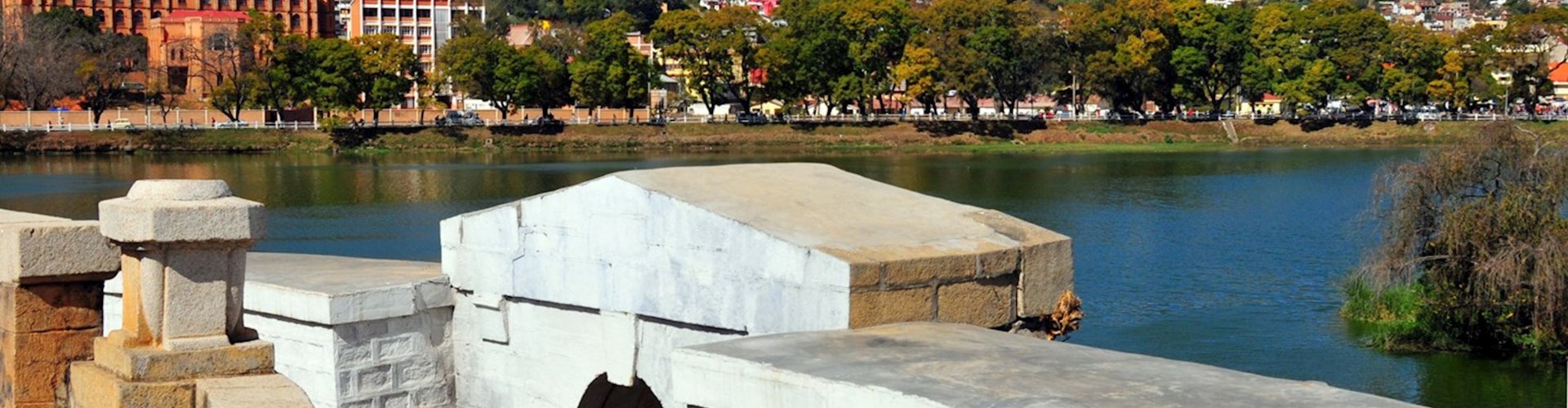
Stepping into Antananarivo, MG, is like slipping into a storybook where centuries-old tales thread through modern-day streets. You feel the soft echo of footsteps on polished stone floors as you wander historic museums, while the air hums with murmurs of ancient royalty and colonial legacies. Colourful zebu carts clatter past richly textured wooden doors and faded frescoes, hinting at stories still whispered in bustling markets nearby. From the panoramic views atop the Rova palace hill to the intricate carvings adorning each temple, every sensory detail beckons you deeper into Antananarivo’s layered past and vibrant cultural heart.
Quick Facts about Antananarivo, MG
- Population & Official Language(s): Approximately 1.4 million; Malagasy and French
- Local Currency & Payment Options: Malagasy Ariary (MGA); cash preferred though mobile money and credit cards accepted in major spots
- Best Seasons for Cultural Sightseeing: May to October; dry climate with fewer crowds
- Airport / Main Station Distance to Historic Centre: Ivato International Airport 16 km northwest (≈30 mins by taxi); main railway station about 1.5 km
- Cheapest Full-day Public Transport Pass: Approx. €1.50 (City Transport Authority, April 2025)
- Typical Cappuccino Cost Near Major Museums: Around €1.20 (Checked March 2025)
Why Visit Antananarivo, MG for History & Culture?
Antananarivo, MG, often affectionately called ‘Tana’ by locals, is a treasure trove for travellers passionate about history and museums. The city serves as a living archive, where the past entwines with the present in captivating ways. Founded in the early 17th century as the heart of the Merina Kingdom, Tana is scattered with architectural gems - from royal palaces to colonial-era churches - that echo the diverse narratives that shaped Madagascar.
The city’s museums act as portals into the island’s rich heritage, from geological wonders to intimate glimpses of Malagasy traditions. Whether you marvel at royal regalia, study ethnographic exhibits, or wander through historic districts dotted with artisan workshops, Antananarivo offers an immersive cultural tapestry. This blend of tangible history and vibrant contemporary life makes Antananarivo, MG ideal for those seeking a well-paced, enriching 2–3 day cultural itinerary.
Beyond its famed landmarks, the city presents layers of stories waiting to be unraveled - whether hidden in a quiet courtyard museum or embodied in the daily rhythms of bustling markets. Paired with the warmth of Malagasy hospitality, a visit here feels like stepping into a living museum, where every corner offers a chance to connect deeply with its heritage and people.
Top 10 Must-See Museums & Historical Sites
- Rova of Antananarivo (Queen’s Palace): Once the royal seat, this hilltop site offers panoramic city views and insight into Malagasy monarchy. Architectural restoration blends history and resilience.
- Andafiavaratra Palace Museum: Housing royal artefacts and 19th-century relics, this palace showcases Madagascar’s aristocratic past with fine craftsmanship on display.
- Madagascar National Museum of Arts and Archaeology: Exhibits span prehistoric finds to ethnography, offering a comprehensive account of Malagasy culture and origins.
- Ambohitsorohitra Palace: The French colonial governor’s former residence, this building stands as a symbol of political shifts and architectural grandeur.
- Prime Minister’s Palace: A neoclassical architectural jewel, reflecting the evolution of Madagascar's government and style through centuries.
- Tsimbazaza Zoo and Botanical Gardens: More than animals, it doubles as a natural history museum highlighting endemic species and conservation efforts.
- Is’Art Galerie: Contemporary art hub housed in a former cinema, bridging historical and modern Madagascar through dynamic exhibitions.
- Cathedral of Andohalo: A historical religious monument reflecting colonial influences and local faith traditions in its stone and stained glass.
- Antananarivo Old Town Districts: Explore the ambahy (noble quarter) with its closely packed historical houses and street mosaics narrating centuries of Malagasy social life.
- Analakely Market Area: Though commercial, it is integral to understanding the lively pulse of city life and traditional crafts.
Price & Time Grid: Museums & Landmarks at a Glance
| Site | Adult Ticket (€) | Avg Visit Time | Skip-the-Line Option | Nearest Metro/Tram Stop |
|---|---|---|---|---|
| Rova of Antananarivo | 3.00 | 1.5 hours | No | Isotry |
| Andafiavaratra Palace | 2.50 | 1 hour | No | Analakely |
| National Museum of Arts & Archaeology | 2.80 | 1.5 hours | Yes | Ambondrona |
| Ambohitsorohitra Palace | Free (exterior visit) | 30 mins | N/A | Ampasanimalo |
| Prime Minister’s Palace | 2.00 | 1 hour | No | Andohalo |
| Tsimbazaza Zoo | 4.00 | 2 hours | No | Tsimbazaza |
| Is’Art Galerie | Free | 45 mins | N/A | Andravoahangy |
| Cathedral of Andohalo | Free (donations welcome) | 30 mins | N/A | Andohalo |
| Old Town Districts | Free | Varies | N/A | Multiple stops |
| Analakely Market | Free | 1-2 hours | N/A | Analakely |
Most of the popular destinations in Antananarivo, MG, offer affordable entry fees, with several free cultural landmarks. A well-balanced visit can combine ticketed museums and open districts to maximise your 48-hour guide experience without straining your budget. While skip-the-line options remain limited, early visits reduce crowding and enhance your intimate encounter with historic treasures.
Historic Neighbourhood Snapshots
1. Haute-Ville (Upper Town)
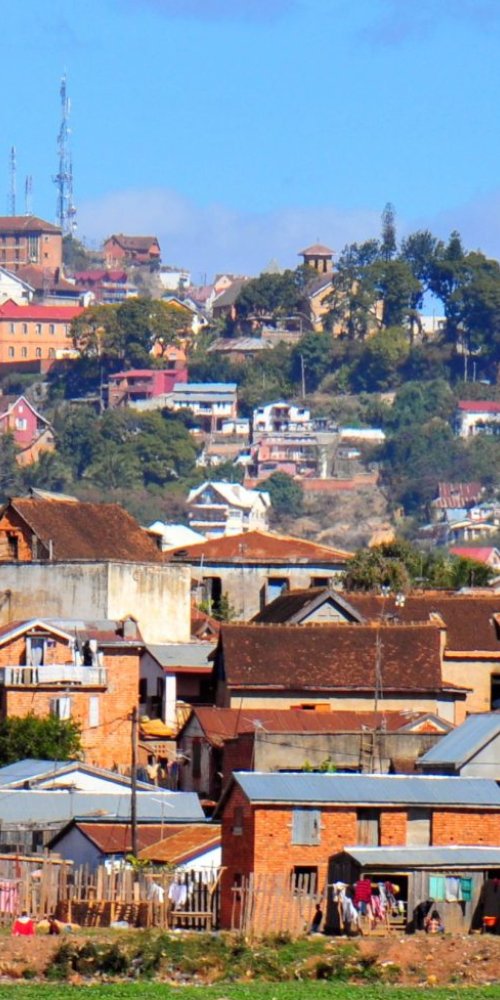
Perched on the city’s highest hill, Haute-Ville is the historic royal core. Its narrow cobbled streets meander past palatial ruins, colonial houses, and ancient temples that witnessed the island’s regal past. Sunset here reveals the heart-stopping beauty of sprawling rooftops and distant hills, a perfect vantage point for your weekend trip to Antananarivo, MG.
2. Isotry District
A lively area bridging tradition and commerce, Isotry bustles with artisan workshops and vibrant markets. This district hums with sensory richness - from the scent of spices to the gleam of handcrafted jewellery - representing Madagascar’s creative spirit in tangible form.
3. Andohalo Quarter
Home to the Cathedral and prime ministerial palaces, Andohalo blends colonial architecture with modern urban life. Strolling its shaded lanes invites reflection on Madagascar’s layered political and religious history, essential for a full understanding of the city’s identity.
4. Analakely Market Area
Though often crowded, Analakely pulses with energy and colour. Here, commerce meets culture as everyday Malagasy traditions and crafts spill out into the streets, offering a lively contrast to more contemplative museum visits.
Hidden Museums & Cultural Gems
- La Maison des Artistes: A converted colonial villa hosting local contemporary art exhibitions and workshops away from tourist crowds.
- Ethnographic Museum of the University of Antananarivo: Small but fascinating, revealing everyday Malagasy life and customs through rare photographs and objects.
- FJKM Church Museum: Dedicated to religious artefacts and missionary history, this small museum offers insight into faith’s influence on national culture.
Getting Around the Historic City
The city’s public transport network includes a mix of metro buses, trams, and minibuses, though navigating their routes requires some patience and local guidance. For convenient access to top attractions Antananarivo, MG, a combination of walking and taxi-brousses (shared taxis) works well.
The metro line services key districts but has limited coverage of historic sites; trams, though largely symbolic today, still run occasional heritage routes. Most museums and landmarks fall within walking distance of one another in the city centre, so comfortable shoes are a must.
Regular bus routes connect suburbs with downtown at low cost but are best for those with some local language skills. To maximise your time and budget, consider purchasing a full-day public transport pass - it’s economical and supports seamless exploration.
When planning your Antananarivo, MG itinerary, factor in occasional traffic jams during rush hours and allow extra time to enjoy each museum without rushing.
Money-Saving Tips for Museum Lovers
- Check for free or discounted entry days at major museums before your visit.
- Buy combined tickets where available to access multiple top attractions Antananarivo, MG at reduced rates.
- Use local transport passes instead of taxis - frequent walking supplements transport costs.
- Carry cash in Malagasy Ariary to avoid card transaction fees common near small museums.
- Visit lesser-known museums in the afternoon when crowd levels dip and some offer lower admission.
Sample 3-Day Cultural Itinerary
- Day 1: Morning at Rova of Antananarivo; lunch near Andafiavaratra Palace; afternoon exploring National Museum of Arts and Archaeology.
- Day 2: Visit Prime Minister’s Palace and Ambohitsorohitra Palace; afternoon at Tsimbazaza Zoo and Botanical Gardens.
- Day 3: Stroll Andohalo Quarter including Cathedral; afternoon at Is’Art Galerie and Old Town districts; evening soak up Analakely Market vibe.
Eight Mistakes Cultural Weekend Travellers Make
- Underestimating walking times between sites, leading to rushed visits.
- Ignoring local opening hours and missing key museum exhibitions.
- Relying solely on taxis instead of exploring public transport options.
- Skipping lesser-known museums and hidden galleries which offer unique insights.
- Failing to book tickets in advance where skip-the-line is available.
- Overpacking the itinerary, leaving no time to absorb the atmosphere.
- Neglecting to carry small change and local currency for entry fees and tips.
- Missing out on local markets and cultural districts that enrich the experience beyond museums.
Frequently Asked Questions
What is the best time of year to visit Antananarivo for cultural sightseeing?
The dry season from May to October is ideal, offering comfortable weather and fewer tourists, perfect for a peaceful 48-hour guide Antananarivo, MG experience.
Are many museums in Antananarivo free to enter?
Several historic sites and districts are free, like the Cathedral and Old Town, but most museums charge a modest fee, usually under €4 (City Museum Authority, April 2025).
Is English widely spoken in Antananarivo’s museums and tours?
French is more common in official contexts, though many museum staff understand English. Guides often speak multiple languages - booking ahead helps guarantee an English-speaking guide.
Can I visit all major attractions by public transport?
While public transport connects many districts, some landmarks are best accessed on foot or via short taxi rides to keep to a relaxed Antananarivo, MG itinerary.
Call to Action
Your journey through the popular destinations in Antananarivo, MG awaits its next curious explorer. Whether wandering the storied halls of royal palaces or uncovering hidden museums, every step connects you with Madagascar’s rich heritage. Share your experiences or questions below and subscribe to our newsletter for more insightful weekend trip to Antananarivo, MG guides.