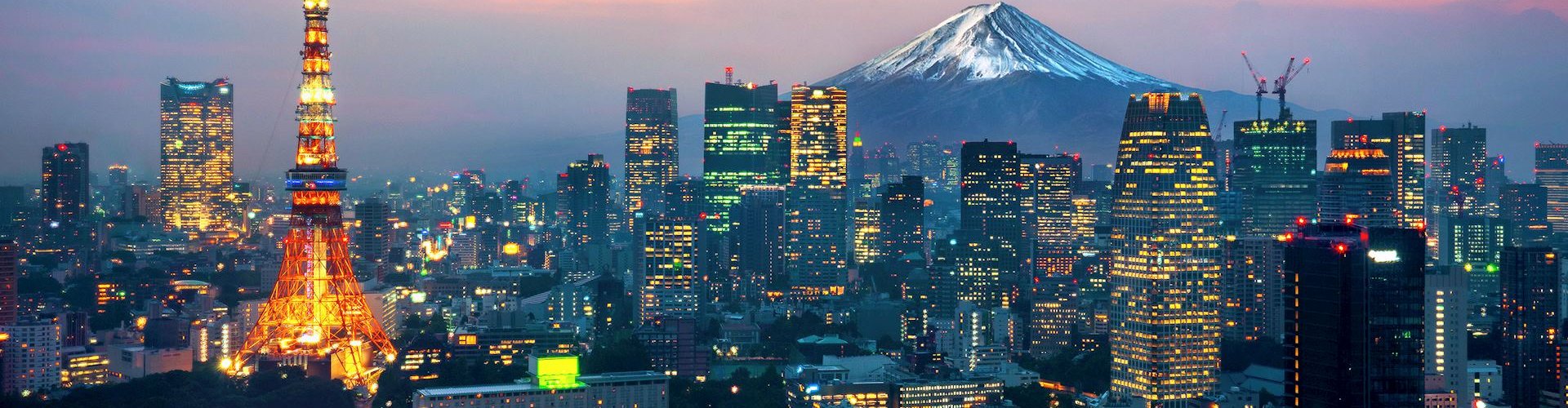
You step into Tokyo, JP, where centuries whisper beneath neon lights - a tapestry woven from ancient temples, samurai legacies, and futuristic innovation. The soft echo of your footsteps in a centuries-old hall contrasts with the vibrant chatter of museum-goers admiring priceless artifacts. The scent of tatami mats mingles with urban air as you traverse neighbourhoods that wear history like a badge of honour. Each corner offers a scene: a shogun’s armour gleaming under spotlight, ukiyo-e prints vivid in their delicate frames, and streets alive with artisans crafting Japan’s living heritage. This city pulses with stories - both told and waiting to be discovered by you.
Quick Facts About Tokyo, JP
- Population & Languages: 14 million; Japanese is the official language
- Currency & Payment: Japanese Yen (JPY); widely accepted credit cards, Suica and Pasmo smart cards
- Best Seasons: Spring (Mar–May) for cherry blossoms and autumn (Sep–Nov) for pleasant weather and thinner crowds
- Airport / Station Distance: Narita Airport 60 km, Haneda Airport 14 km from city centre; Tokyo Station at city heart
- Transport Pass: Tokyo Metro 24-hour pass approx. €6.50 (City Transit Bureau, April 2025)
- Cappuccino Cost: Approx. €3.80 near key museums (March 2025)
Why Visit Tokyo, JP for History & Culture?
In the sprawling metropolis of Tokyo, the past elegantly intersects with the present, crafting a unique cultural mosaic reflective of Japan’s resilience and innovation. Tokyo’s historical depth is layered: from Edo Castle’s feudal foundation to the post-war architectural renaissance, every brick and artefact narrates tales of transformation. As the capital, Tokyo hosts an exceptional variety of museums - art galleries preserving ancient scrolls, interactive history exhibits detailing samurai exploits, and cutting-edge cultural institutions dedicated to Japan’s global influence.
The city’s urban fabric itself acts as a living museum. Historic districts such as Asakusa and Yanaka preserve the atmosphere of old Tokyo with wooden merchant houses and lively traditional markets. Meanwhile, the neon-lit districts tell stories of a new era blending technology and heritage. Because of this diversity, Tokyo offers an ideal setting for a 2–3 day cultural visit. You can explore renowned museums and iconic landmarks with ease, all while immersing yourself in neighbourhoods where history breathes in every alley.
Whether you are drawn by samurai lore, contemporary art, or architectural marvels, Tokyo presents a seamless itinerary of must-see sights Tokyo, JP for any history or culture enthusiast. This 48-hour guide to Tokyo’s popular destinations reveals how the city’s past and present converse, inviting you to witness Japan’s journey through time firsthand.
Top 10 Must-See Museums & Historical Sites
- Tokyo National Museum: Japan’s oldest museum houses an unparalleled collection of samurai armour, ancient ceramics, and art spanning millennia, set within tranquil Ueno Park.
- Edo-Tokyo Museum: Step into the Edo period through immersive exhibits showcasing Tokyo’s evolution from castle town to modern capital.
- Meiji Shrine: A serene sanctuary dedicated to Emperor Meiji, surrounded by a lush forest preserved amidst the urban sprawl.
- Senso-ji Temple: Tokyo’s oldest Buddhist temple, famed for its vibrant Kaminarimon gate and bustling traditional Nakamise shopping street.
- National Museum of Emerging Science and Innovation (Miraikan): Discover Japan’s technological advancements and futuristic visions through interactive science exhibits.
- Imperial Palace East Gardens: Explore beautifully maintained gardens and ruins of Edo Castle’s former donjon, a peaceful retreat in central Tokyo.
- Sumida Hokusai Museum: Dedicated to Katsushika Hokusai, the ukiyo-e master behind The Great Wave, displaying original prints and life insights.
- Nezu Museum: Hidden in Minami-Aoyama, it combines classical Japanese and East Asian art with a stunning traditional garden.
- Ghibli Museum: A whimsical celebration of Studio Ghibli’s animation magic, perfect for all ages craving deeper cultural immersion.
- Yanaka District: One of Tokyo’s few areas preserving pre-war Edo charm, with historic temples, artisan shops, and a genuine neighbourhood vibe.
Price & Time Grid: Museums & Landmarks at a Glance
| Attraction | Adult Ticket (€) | Avg Visit Time | Skip-the-Line | Nearest Metro/Tram Stop |
|---|---|---|---|---|
| Tokyo National Museum | 6 | 2 hr | Yes | Ueno (Ginza Line) |
| Edo-Tokyo Museum | 5.50 | 1.5 hr | No | Ryogoku (Oedo Line) |
| Meiji Shrine | Free | 1 hr | Not applicable | Harajuku (Yamanote Line) |
| Senso-ji Temple | Free | 1.5 hr | Not applicable | Asakusa (Ginza Line) |
| Miraikan | 6.80 | 2 hr | Yes | Telecom Centre (Rinkai Line) |
| Imperial Palace East Gardens | Free | 1 hr | Not applicable | Tokyo (Marunouchi Line) |
| Sumida Hokusai Museum | 5 | 1 hr | No | Honjo-Azumabashi (Asakusa Line) |
| Nezu Museum | 9 | 1.5 hr | Yes | Omotesando (Chiyoda Line) |
| Ghibli Museum | 10 | 2 hr | Tickets required in advance | Mitaka (Chuo Line) |
| Yanaka District | Free | 2 hr+ | Not applicable | Nippori (Yamanote Line) |
These carefully selected museums and historic sites represent Tokyo’s cultural heart, balancing free access with modest ticket prices. Most visits take 1 to 2 hours, making them perfectly suited for a well-paced weekend trip to Tokyo, JP. Many popular destinations offer skip-the-line or advance ticket options to maximise your 48-hour guide Tokyo, JP experience, ensuring your time is well spent absorbing history and artistry rather than waiting.
Historic Neighbourhood Snapshots
Asakusa
Asakusa pulses with the spirit of old Tokyo. Its iconic Senso-ji Temple and bustling Nakamise shopping street transport you to the Edo era, with traditional snacks, crafts, and lively festivals preserving centuries-old customs. At dusk, paper lanterns cast a warm glow, inviting you to soak in the reverence and local charm that define this popular destination in Tokyo, JP.
Yanaka
One of the few districts untouched by wartime bombings, Yanaka offers a glimpse of pre-war Tokyo. Its narrow lanes, wooden homes, and small temples reveal a quieter, nostalgic side of the city. As you wander its peaceful cemeteries and family-owned shops, you discover a heritage that complements the grand museums, perfect for those seeking deeper cultural immersion beyond the top attractions Tokyo, JP lists.
Nihonbashi
Once the commercial heart of Edo, Nihonbashi retains elegant Western-style architecture alongside classic Edo-period shops. Walking here is like leafing through a living history book, surrounded by department stores with roots tracing back centuries. Balance your modern Tokyo itinerary by exploring this area’s rich merchant legacy and historic bridges.
Rikugien
Although primarily known for its exquisite gardens, Rikugien also offers a cultural retreat away from tourist crowds. Set against the backdrop of carefully shaped landscapes, seasonal light-up events reveal Japanese aesthetics intertwined with historical sensibilities, making it a serene stop in any weekend trip to Tokyo, JP.
Hidden Museums & Cultural Gems
- Shitamachi Tanabata Museum: Explore local folk crafts and traditional festivals in this intimate museum tucked away in a historic district.
- Bridgestone Museum of Art: Less known internationally but cherished locally for its European and Japanese modern art collections.
- Kanda Museum of History: A quiet space detailing the evolution of the Kanda district, rich in merchant and artisan history.
Getting Around the Historic City
Metro: Tokyo’s extensive metro system is your quickest means to reach major museums and historic areas. Lines like the Ginza and Oedo connect key cultural hubs efficiently.
Trams: Although limited, the Toden Arakawa Line offers a nostalgic tram experience through older neighbourhoods, complementing your cultural exploration with local charm.
Buses: For less-accessible sites, buses fill the gaps, with IC cards allowing seamless payment. They’re ideal for visiting grounds like the Imperial Palace Gardens.
Walking Routes & Transport Passes: Many landmarks cluster in walkable zones, such as Ueno Park and Asakusa. Investing in a Tokyo Metro 24-hour pass boosts convenience and savings, enabling spontaneous detours without worrying about fares.
Money-Saving Tips for Museum Lovers
- Purchase combined tickets or city passes offering discounts for multiple museums.
- Visit on free or reduced-fee days, frequently offered by museums like the Tokyo National Museum.
- Use transport passes like the Tokyo Metro 24-hour card to reduce travel costs while hopping between popular destinations in Tokyo, JP.
- Bring your own snacks or purchase from local markets to avoid pricier museum cafes during your cultural excursions.
- Utilise gift shop discounts or memberships if you plan an extended stay, maximizing return on ticket costs.
Sample 3-Day Cultural Itinerary
- Day 1: Begin at the Tokyo National Museum in Ueno Park, stroll the Imperial Palace East Gardens, then enjoy dusk at the Meiji Shrine.
- Day 2: Immerse in Edo history at the Edo-Tokyo Museum, explore Asakusa’s Senso-ji Temple and Nakamise shopping street, ending at Yanaka district for a quiet evening walk.
- Day 3: Visit the Sumida Hokusai Museum, then indulge in modern science wonders at Miraikan, followed by a whimsical tour of the Ghibli Museum in Mitaka.
Eight Mistakes Cultural Weekend Travellers Make
- Overpacking sights into one day - Tokyo’s top attractions need spacious timing to appreciate fully.
- Ignoring local holidays or museum closures - always check schedules before planning.
- Underestimating travel time between dispersed sites - use metro maps and apps for efficient routing.
- Skipping less-famous neighbourhoods like Yanaka that offer authentic historic atmosphere.
- Not pre-booking tickets for Ghibli Museum or timed-entry exhibitions, risking disappointment.
- Relying solely on English signage - carry a phrasebook or translation app to enhance cultural contact.
- Forgetting cash - some traditional museums or smaller cafes prefer cash over cards.
- Overlooking seasonal weather - rainy days may require flexible indoor plans.
Frequently Asked Questions
What are the absolute must-see sights Tokyo, JP for a first-time visitor interested in history?
The Tokyo National Museum, Edo-Tokyo Museum, and Asakusa’s Senso-ji Temple are essential for experiencing the city's deep historical roots and cultural vibrancy.
Can I visit multiple top attractions Tokyo, JP in one day?
Yes, but plan realistically around opening hours and travel time. Prioritise clusters like Ueno Park’s museums or central Tokyo’s historic gardens for efficiency.
What transport pass should I get for a 48-hour guide Tokyo, JP?
The Tokyo Metro 24-hour or multi-day metro passes offer excellent value, combined with IC cards like Suica for buses and trams.
Are there free entry days for major museums?
Many museums have monthly or seasonal free days (e.g., Tokyo National Museum offers free entry on certain national holidays), so check current schedules during your visit.
Your Journey Awaits
Tokyo is a city that invites you to step beyond the surface and discover the rich tapestries woven by time, culture, and creativity. Planning your weekend trip to Tokyo, JP with this guide to popular destinations in Tokyo, JP unlocks history’s doors with the ease and delight of a seasoned traveller. Share your own discoveries or questions below, and don’t forget to subscribe to our newsletter for more inspiring guides worldwide.