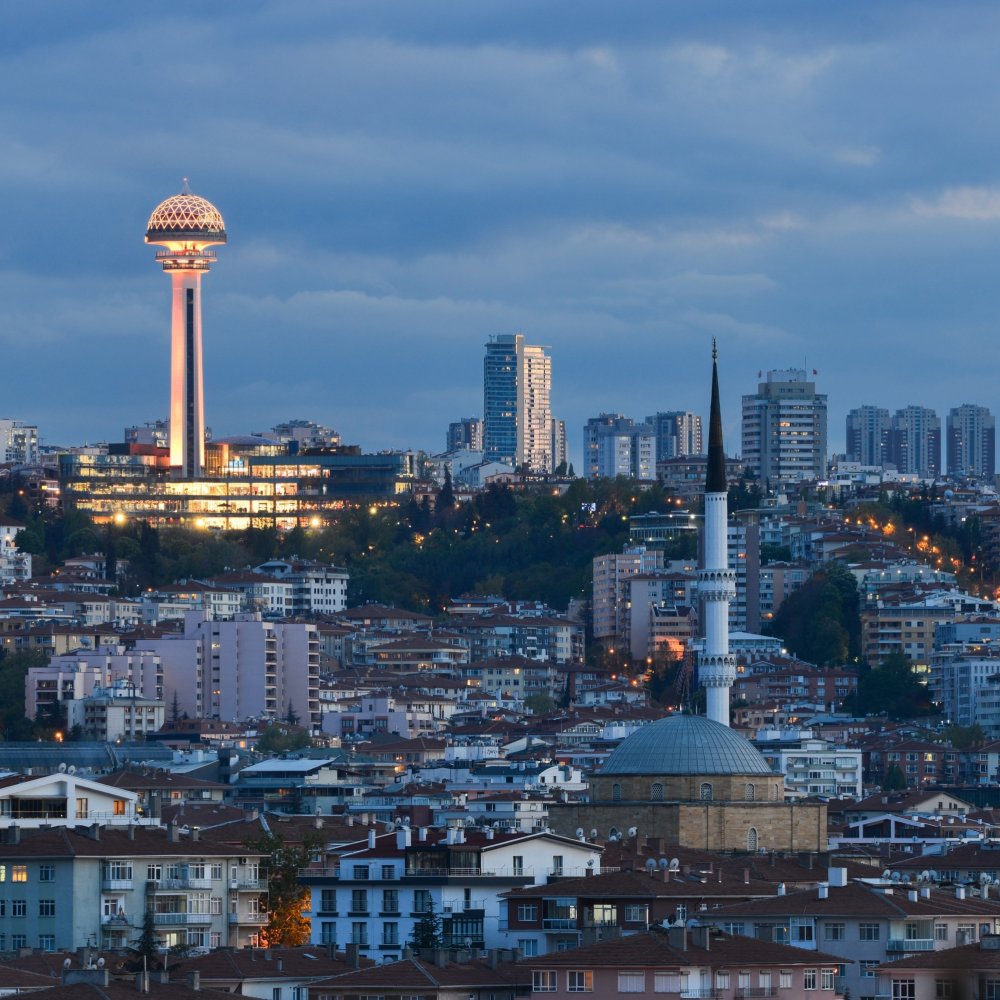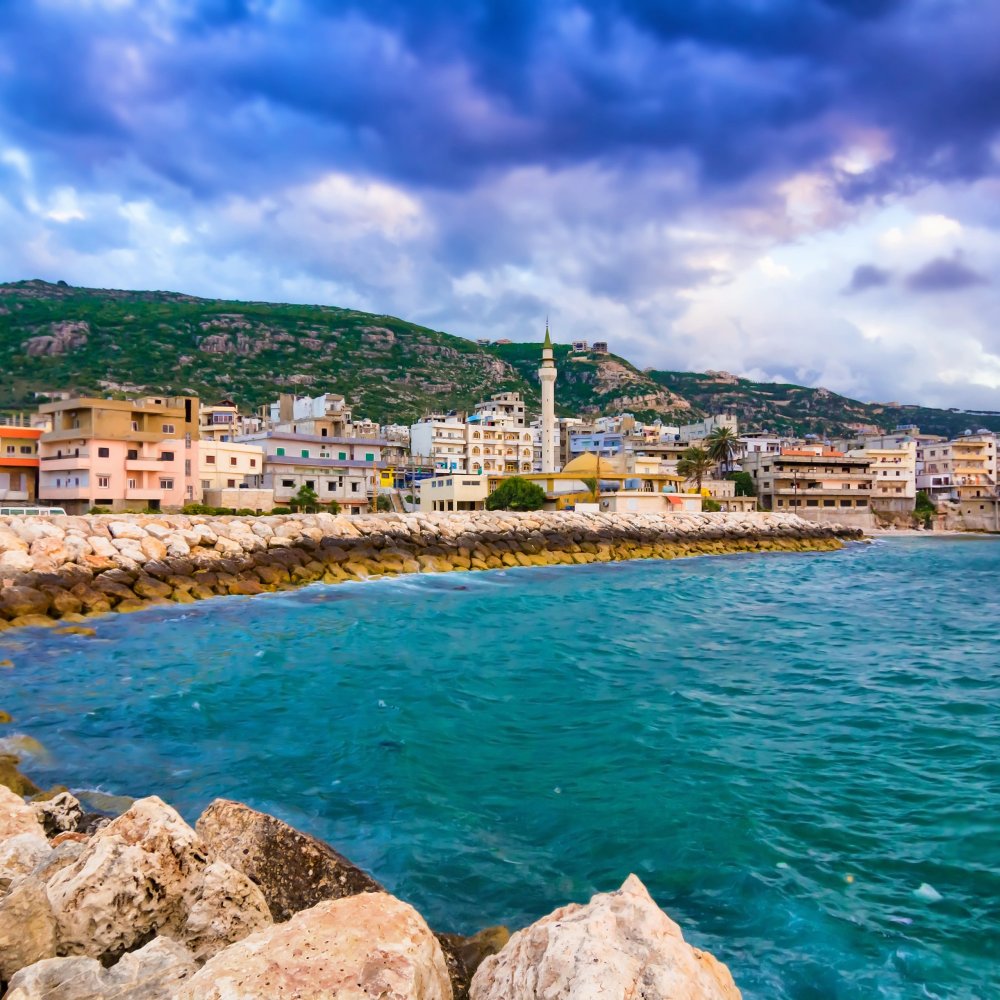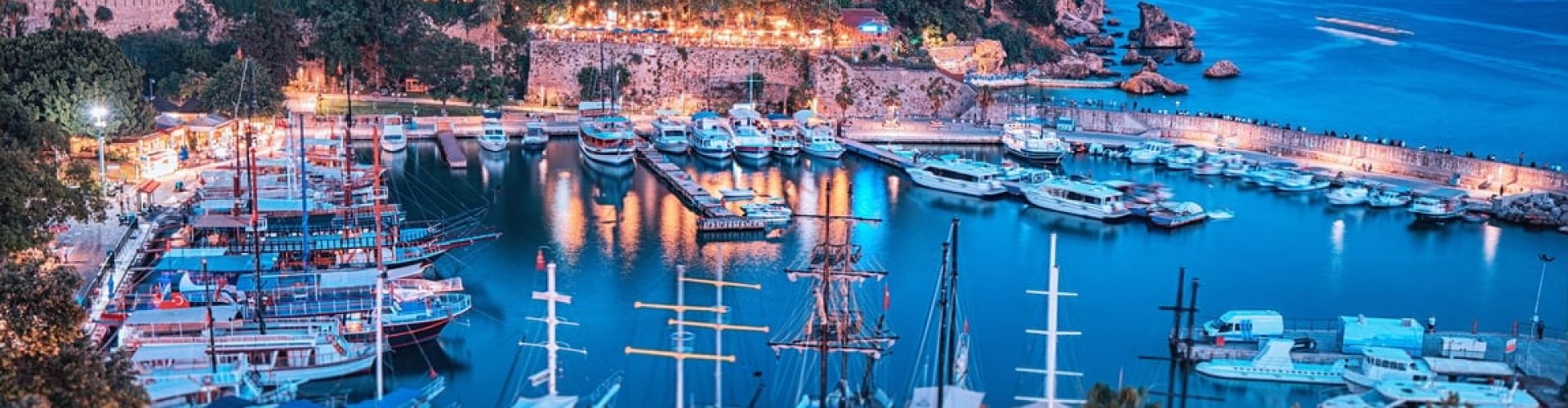
As you set foot in Antalya, the hum of a city steeped in millennia of history wraps around you like a fine tapestry. The echo of your footsteps reverberates softly through ancient stone corridors, while the Mediterranean breeze carries whispers of empires long passed. Vibrant mosaics and imposing Roman gates greet your eyes, narrating stories etched deep in every corner. From the intricate exhibits within world-class museums to the lively chatter in sunlit courtyards, Antalya invites you to immerse yourself fully in its cultural heartbeat - a blend of Anatolian, Hellenistic, Roman, and Ottoman influences that shape its visual drama and enduring charm.
Quick Facts About Antalya, TR
- Population & Official Language(s): Approximately 2.5 million; Turkish is the official language.
- Currency & Payments: Turkish Lira (TRY); cashless payments widely accepted including credit cards and mobile wallets.
- Best Seasons for Cultural Sightseeing: Spring (April–June) and autumn (September–October) offer mild temperatures and fewer crowds - perfect for museum visits and historic walks.
- Airport / Main Station Distance: Antalya Airport is about 13 km from the historic city centre; Antalya Railway Station located roughly 9 km away.
- Cheapest Full-Day Public Transport Pass: 15 TRY (€1.50 approx) per day (Antalya Transport Authority, March 2025).
- Typical Cost of a Cappuccino: Around 25 TRY (€2.50) near major museums (May 2025).
Why Visit Antalya, TR for History & Culture?
Nestled along the turquoise coastline of the Mediterranean, Antalya crystallises a vibrant crossroads where antiquity meets modernity. Your visit here isn’t just sightseeing - it’s an intimate encounter with layers of history woven into limestone walls, cobblestones, and sun-dappled museum galleries. Once a pivotal city of the Roman Pamphylia province, Antalya’s rich archaeological treasures from the Byzantine and Ottoman eras tell tales of conquest, art, and civilisation with an unmatched intimacy.
Antalya’s museums shine a spotlight on these stories, from mosaic masterpieces to naval chronicles, inviting you to tread through corridors where emperors once paced. Beyond the museums, the Old Town (Kaleiçi) enchants with its narrow streets and Ottoman architecture, providing a living history lesson that extends beyond glass cases. For even more cultural immersion, scattered historic districts and lesser-known gems await the curious traveller seeking authenticity outside the usual crowds.
This mosaic of history and heritage makes Antalya, TR, an ideal destination for a compact 2–3 day cultural itinerary. You’ll move at a mindful pace, letting each artefact and ruin reveal its secrets and the town’s enduring spirit. For lovers of popular destinations in Antalya, TR, this city offers a rich, layered introduction to Turkish history without the bustle of larger metropolises.
Top 10 Must-See Museums & Historical Sites
- Antalya Museum: One of Turkey’s finest archaeological museums, housing extensive Roman, Byzantine, and Ottoman artefacts. The Roman Statue Hall is a highlight.
- Kaleiçi (Old Town): Wander through narrow cobbled streets lined with Ottoman-era houses, ancient city walls, and landmarks like Hadrian’s Gate, a glorious Roman triumphal arch.
- Hadrian’s Gate: Built in 130 AD, this well-preserved monument invites you to step through history where Roman glory meets modern hustle.
- Düden Waterfalls: Historic water features near the city blending natural beauty with Ottoman era mill remains.
- Perge Ancient City: Explore the extensive ruins of an ancient Pamphylian city featuring a stadium, colonnaded streets, and a vast theatre.
- Termessos: A scenic mountaintop Pisidian city with remarkably preserved Hellenistic and Roman ruins enveloped by a national park.
- Hidirlik Tower: An ancient Roman lighthouse offering panoramic views of Antalya’s coast and Old Town.
- Yivli Minare Mosque: A Seljuk period architectural gem, famous for its fluted minaret rising above the cityscape.
- Antalya Toy Museum: A whimsical look into childhood across eras, with culturally distinctive and vintage toys from Turkey and beyond.
- Antalya Naval Museum: Dive into maritime history with models, navigational instruments, and artefacts illuminating the city’s Mediterranean importance.
Price & Time Grid: Museums & Landmarks at a Glance
| Attraction | Adult Ticket (€) | Avg. Visit Time | Skip-the-Line | Nearest Metro/Tram Stop |
|---|---|---|---|---|
| Antalya Museum | 3 | 2 hrs | Yes | Varsak |
| Kaleiçi (Old Town) | Free | 3 hrs | N/A | Kaleiçi Tram Stop |
| Hadrian’s Gate | Free | 30 mins | N/A | Kaleiçi Tram Stop |
| Düden Waterfalls | 2 | 1.5 hrs | No | Düden |
| Perge Ancient City | 6 | 3 hrs | No | Perge Bus Stop |
| Termessos | 6 | 3 hrs | No | Termessos Entrance (Bus Required) |
| Hidirlik Tower | 2 | 30 mins | No | Kaleiçi Tram Stop |
| Yivli Minare Mosque | Free | 45 mins | N/A | Kaleiçi Tram Stop |
| Antalya Toy Museum | 2 | 1 hr | No | Akdeniz University Tram Stop |
| Antalya Naval Museum | 2 | 1.5 hrs | No | Antalya Central Bus Station Nearby |
These top attractions Antalya, TR offer a sensible mix of indoor museum experiences and outdoor historic sites, perfectly suited to a well-paced 48-hour guide Antalya, TR. Ticket prices remain affordable, many notable sites are free, and visit times allow for exploration without rushing. Skip-the-line options are limited but available at the largest museum, easing your arrival during peak seasons.
Historic Neighbourhood Snapshots
Kaleiçi (Old Town)
In Kaleiçi, history breathes through its Ottoman timber houses, narrow alleys, and hidden courtyards lined with bougainvillea. It’s a sensory journey where local artisans still sell handcrafted souvenirs beside century-old fountains and historic stone arches. Each step reveals layers of past lives, blending Roman, Byzantine, and Ottoman architecture, inviting you to linger over coffee in a sunlit square.
Lara District
Lara, while known for its beaches, conceals archaeological sites and modern museums that juxtapose nature’s beauty with structured antiquity. Explore the area’s quieter museums and enjoy the serene park spaces hosting sculptures and monuments commemorating the rich historical tapestry of Antalya’s Mediterranean heritage.
Kampüs and Yüksekalan
The University district near Kampüs and Yüksekalan offers a youthful pulse amid classical ruins and Ottoman-era mosques. Here, cultural exchange thrives in small galleries and café-museums, often spotlighting contemporary art inspired by Antalya’s ancient roots. It’s a vibrant mix of old and new, perfect for immersive strolls after museum visits.
Konyaaltı
Along the Konyaaltı coastline, history meets leisure with remains of Roman amphitheatres and old harbours nearby. This district combines relaxed beach life with opportunities to visit museums like the Naval Museum, offering another dimension to understanding Antalya’s strategic coastal role through centuries.
Hidden Museums & Cultural Gems
- Atatürk's House Museum: A lesser-known historic home preserving personal belongings and photos of Mustafa Kemal Atatürk’s visits, offering an intimate cultural encounter.
- Karain Cave Museum: Showcasing prehistoric artefacts from one of Turkey’s oldest inhabited caves, it reveals Antalya’s deep time history beyond the classical era.
- Muratpaşa Wax Museum: Featuring lifelike figures of important Turkish historical figures, blending education with a touch of whimsy.
Getting Around the Historic City
Metro and Tram: Antalya’s tram lines connect key areas including the Old Town and museums, offering quick, inexpensive travel ideal for a weekend trip to Antalya, TR. The metro, while new, mainly services suburban areas.
Buses: Extensive bus routes link the city centre to outlying archaeological sites like Perge and Termessos, making it possible to explore major attractions without driving.
Walking Routes: Kaleiçi is a pedestrian-friendly maze perfect for slow exploration. Comfortable shoes and a map will have you uncovering small squares, fountains, and tucked-away galleries at leisure.
Transport Passes: Consider purchasing a full-day transport card for approximately 15 TRY to gain unlimited access to most public transit options - ideal for museum hopping on a budget.
Money-Saving Tips for Museum Lovers
- Purchase the Antalya Museum card if visiting multiple museums; it offers reduced admission and skip-the-line benefits.
- Visit museums early in the morning or late afternoon to avoid peak prices or crowds, especially in spring and autumn.
- Use public transport day passes rather than taxis to move between distant sites like Perge and Termessos.
- Look out for combined ticket offers, common at key archaeological parks that save money over single admissions.
- Bring a reusable water bottle and snacks to save on café prices inside museum complexes.
Sample 3-Day Cultural Itinerary
- Day 1: Begin at Antalya Museum to absorb artefacts from all eras, then stroll through Kaleiçi’s Hadrian’s Gate and Yivli Minare Mosque. Late afternoon coffee in a historic square.
- Day 2: Take a bus to explore the extensive ruins at Perge and return to visit the Antalya Naval Museum in the evening for a maritime perspective.
- Day 3: Venture to Termessos for hiking amid mountain ruins, followed by a relaxing stop at Düden Waterfalls before a sunset view from Hidirlik Tower.
Eight Mistakes Cultural Weekend Travellers Make
- Attempting to see every site in one day - rushing causes fatigue and missed experiences.
- Ignoring opening hours changes; some museums close one day per week or have seasonal hours.
- Not buying transport passes, leading to higher transit costs and hassle with tickets.
- Skipping lesser-known museums - these often hold unique artefacts and fewer crowds.
- Over-reliance on taxis, which can be expensive and slow in traffic-heavy periods.
- Failing to book skip-the-line tickets at Antalya Museum during peak tourist months.
- Not packing comfortable walking shoes; cobbled streets and uneven surfaces demand it.
- Missing the local cultural vibe by sticking only to big museums rather than wandering historic districts.
Frequently Asked Questions
What are the opening hours for major museums in Antalya?
Most museums, such as the Antalya Museum, are open 9 am to 6 pm daily, with closures typically on Mondays. Seasonal variations apply - check locally before visiting (City Museum Authority, June 2025).
Is public transport safe and reliable for tourists?
Yes, Antalya’s public transport system is well-maintained, safe, and cost-effective, with frequent tram and bus connections ideal for navigating the city’s cultural sights.
Can I buy combined tickets for multiple historical sites?
Combined tickets are available at some archaeological sites, such as Perge and Termessos, offering savings over separate entries. Check ticket offices on arrival.
How much time should I allocate to explore Antalya’s museums thoroughly?
Plan at least 1.5 to 2 hours per large museum like Antalya Museum, while historic districts deserve half to full days depending on your pace and interest.
Your Next Step: Dive Deeper into Antalya’s Cultural Heart
Ready to unlock the wonders of Antalya’s past? Share your experiences, questions, and tips in the comments below or spread the word by sharing this guide with fellow history enthusiasts. Don’t miss out on future cultural journeys - sign up for our newsletter for fresh insider tips and unforgettable itineraries.