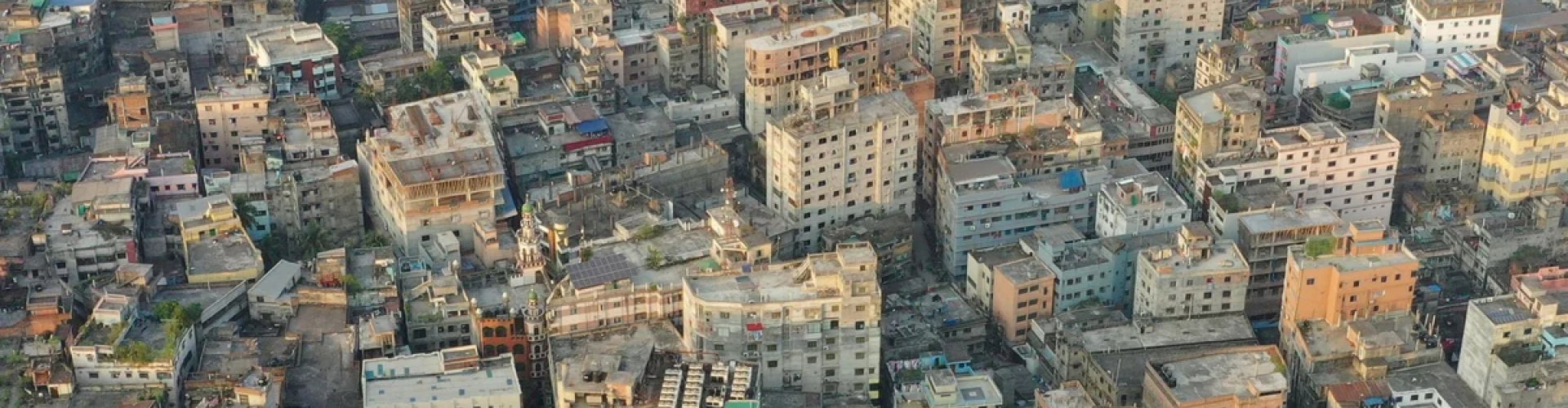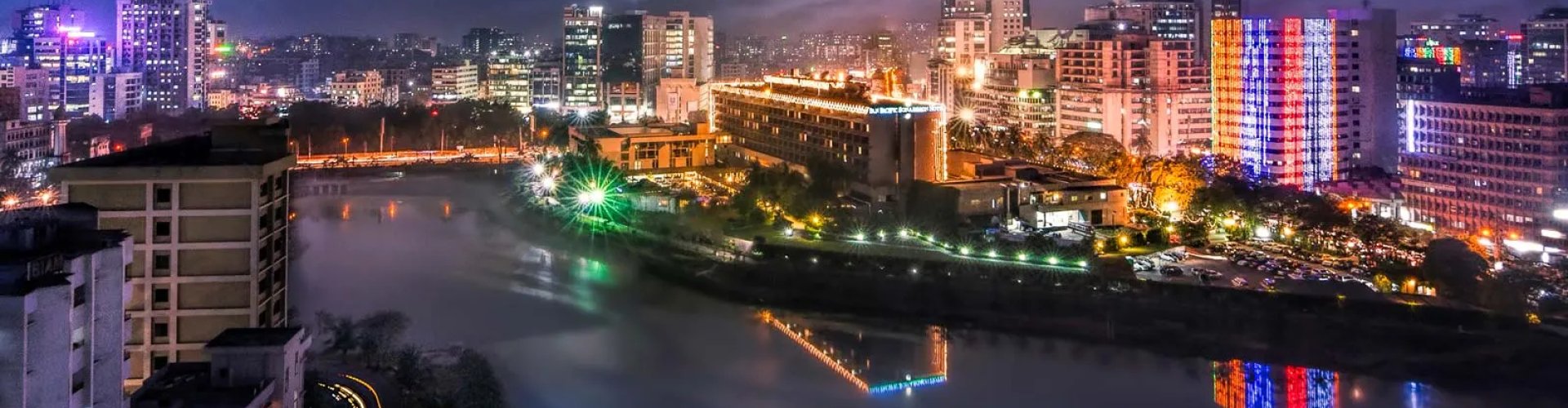
Stepping into Dhaka is like entering a living tapestry of time, where the echo of footsteps reverberates through centuries-old halls and narrow lanes. The air is thick with the aroma of spiced street food and fragrant jasmine, mingling alongside the dust of historic palaces and colonial forts. Your gaze is drawn to intricate terracotta façades, vibrant bazaars humming with chatter, and the serene flow of the Buriganga river threading the city’s past and present. Every museum, every monument here is a storyteller - inviting you to touch the pulse of Dhaka’s fluctuating fortunes and its resilient spirit. Dive deep into this cultural kaleidoscope and let Dhaka’s heritage unfold before your senses.
Quick Facts
- Population & Official Language(s): Approximately 21 million; Bengali (Bangla) is the official language
- Currency & Payment Options: Bangladeshi Taka (BDT); cash widely used, mobile payment apps like bKash gaining popularity
- Best Seasons for Cultural Sightseeing: November to February for mild, dry weather and manageable crowds
- Airport/Main Station Distance: Shahjalal International Airport is 18 km from Old Dhaka historic centre
- Cheapest Full-Day Public Transport Pass: Approx. 90 BDT (€0.90) for bus and metro rides (City Transport Authority, March 2025)
- Typical Cappuccino Cost Near Museums: Around 120 BDT (€1.20) as of April 2025
Why Visit Dhaka, BD for History & Culture?
Dhaka is an intoxicating blend of old and new, where the layers of history unfold through majestic Mughal mosques, British colonial architecture, and vibrant street culture. As the capital of Bangladesh, it encapsulates a dramatic narrative of empire, independence, and resilience. You’ll find world-class museums showcasing Bengal’s rich artistic heritage alongside lively historic districts still pulsing with daily traditions. For travellers drawn to museums and history, Dhaka offers a feast - from gleaming artefacts in the National Museum to the bustling heritage streets of Old Dhaka, replete with centuries-old markets and architectural gems.
What makes Dhaka truly special is its soul: the warmth of its people, the lively cultural festivals, and the intoxicating smells and colours that bring history to life. It’s a city that invites you to wander slowly, to listen and learn. A 2–3 day cultural visit fits perfectly here, giving you time to absorb the top attractions Dhaka, BD offers while uncovering hidden corners that few tourists see. Whether you’re a history buff, a museum lover, or simply curious, this city promises stories etched in stone, fabric, and the smiles of its residents.
Top 10 Must-See Museums & Historical Sites
- National Museum of Bangladesh: Dive into the nation’s cultural tapestry with vast collections ranging from ancient artefacts to Bengali art and Liberation War exhibits.
- Lalbagh Fort: A stunning 17th-century Mughal fort complex, this is an iconic symbol of Dhaka’s imperial past with lush gardens and the Tomb of Pari Bibi.
- Ahsan Manzil (Pink Palace): Once the Nawabs’ official residence, its striking pink façade now houses a museum chronicling Bengal’s colonial era.
- Old Dhaka Heritage District: Roam this atmospheric district, rich in heritage architecture, traditional bazaars, and hidden mosques like the Star Mosque.
- Liberation War Museum: Experience the poignant history of Bangladesh’s independence through powerful exhibits and survivor testimonies.
- Bangladesh National Art Gallery: Home to contemporary and classic Bengali art, showcasing Dhaka’s evolving artistic identity.
- Dhakeshwari Temple: Known as the state temple of Bangladesh, this historic Hindu shrine dates from the 12th century and anchors spiritual heritage.
- Archaeological Museum at Sonargaon: Just outside Dhaka, this museum preserves Bengal’s medieval capital treasures including ancient coins and relics.
- Jatiyo Sangsad Bhaban (Parliament House): A marvel of modernist architecture by Louis Kahn, offering guided tours for architecture enthusiasts.
- Ramna Park and Curzon Hall: Walk among colonial-era botanical gardens beside Curzon Hall, a heritage university building infused with history.
Price & Time Grid: Museums & Landmarks at a Glance
| Attraction | Adult Ticket (€) | Avg Visit Time | Skip-the-Line Option | Nearest Metro/Tram Stop |
|---|---|---|---|---|
| National Museum of Bangladesh | €2 | 2 hours | Yes | Shahid Minar Metro |
| Lalbagh Fort | €1.50 | 1.5 hours | No | Fulbaria Tram |
| Ahsan Manzil | €1.80 | 1.5 hours | No | Old Dhaka Tram |
| Old Dhaka Heritage District | Free (walking tour) | 3 hours | Guided Tours Available | N/A |
| Liberation War Museum | €1.50 | 1.5 hours | No | Shahbagh Metro |
| Bangladesh National Art Gallery | €1.50 | 1 hour | No | Central Metro |
| Dhakeshwari Temple | Free | 1 hour | Not Applicable | Azimpur Tram |
| Archaeological Museum at Sonargaon | €2.50 | 2 hours | No | Bus from Dhaka |
| Jatiyo Sangsad Bhaban | €3 | 1 hour | Yes (book ahead) | Matshya Metro |
| Ramna Park & Curzon Hall | Free | 1.5 hours | Not Applicable | Shahbagh Metro |
This price and time grid offers a compact overview for cultural travellers on a budget or with limited time. Many must-see sights Dhaka, BD provide entry under €3 and can be comfortably visited within 1.5 to 3 hours. The availability of skip-the-line options at key locations like the National Museum and Jatiyo Sangsad allows you to save precious waiting time. Note that Old Dhaka’s historic district is best explored on foot or via guided walking tours to soak in its atmospheric charm fully.
Historic Neighbourhood Snapshots
Old Dhaka
Step into Old Dhaka and enter a labyrinth of narrow alleyways and bustling souks alive with the clang of rickshaw bells and calls of shopkeepers. The scent of biryani mingles with the musk of antiques and spices. Architectural marvels like the Star Mosque and Ahsan Manzil punctuate the maze, reflecting centuries of Mughal, Hindu, and colonial influences. Here, history isn’t locked inside glass cases - it pulses vividly in every corner.
Shahbagh
Shahbagh is Dhaka’s intellectual and cultural heartland, home to leafy parks, venerable museums like the Liberation War Museum, and the University of Dhaka’s historic Curzon Hall campus. The atmosphere here is contemplative yet lively, perfect for leisurely strolls between museums, cafés, and bookshops that fuse past and present.
Ramna
Ramna blends nature with heritage in sprawling botanical gardens, colonial-era monuments, and the regal Jatiyo Sangsad Bhaban parliament complex. Its expansive green spaces offer a peaceful counterpoint to Dhaka’s frenetic streets, inviting moments of reflection amid iconic architecture.
Sonargaon
Though a short journey from central Dhaka, Sonargaon transports you to Bengal’s medieval tales as the ancient provincial capital. Explore the Archaeological Museum and the rustic folk art villages, with timeless crafts and architecture preserved far from city crowds.
Hidden Museums & Cultural Gems
- Varendra Research Museum: An underrated archaeological museum focusing on Bengal’s ancient history and prehistoric artefacts.
- Kasturibai Gandhi Museum: Dedicated to the life and work of Kasturibai, Mahatma Gandhi’s wife, blending personal history with broader South Asian heritage.
- National Quilt Museum: Showcasing traditional Bengali textiles and intricate craftsmanship rarely seen by tourists.
Getting Around the Historic City
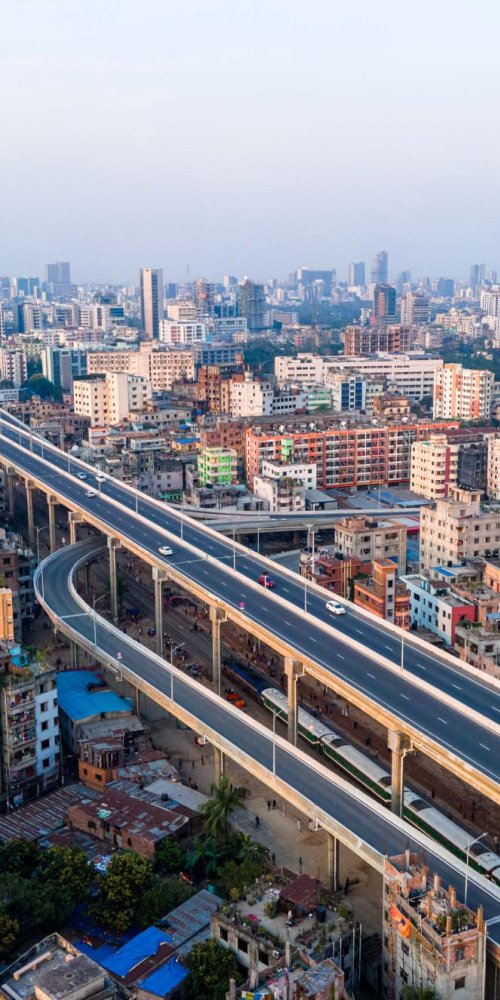
Metro: Dhaka’s recently expanded metro network offers reliable and fast travel, connecting key cultural districts like Shahbagh and Matshya, an ideal option to avoid surface traffic.
Trams: Heritage trams still run through select parts of Old Dhaka, providing a nostalgic and scenic way to traverse the city’s oldest quarters.
Buses: Extensive bus routes cover the city, but they can be crowded and slow during peak hours. Opt for the full-day transport pass for cost-effective travel.
Walking Routes & Passes: Most must-see sights are walkable within Old Dhaka, ideal for soaking up the atmosphere. Transport passes that combine bus and metro rides boost mobility and savings for culture-seekers.
Money-Saving Tips for Museum Lovers
- Purchase combined tickets or museum passes when available, as some sites offer discounts for multiple entries.
- Visit museums on their free-entry days or times, often mid-week mornings.
- Use public transport passes to reduce travel costs while efficiently covering major museums and districts.
- Explore guided walking tours of Old Dhaka that bundle visits to several heritage spots economically.
- Enjoy affordable local cafés near museums for budget-friendly meals and authentic experiences.
Sample 3-Day Cultural Itinerary
Day 1: Classic Dhaka Heritage
Start at the National Museum, then head to Lalbagh Fort and Ahsan Manzil. Afternoon walking tour around Old Dhaka’s bazaars and Star Mosque. End with dinner at a traditional Bengali restaurant.
Day 2: Liberation & Art
Morning visit to the Liberation War Museum and Bangladesh National Art Gallery. Afternoon relaxation in Ramna Park followed by an evening visit to Curzon Hall’s historic precinct.
Day 3: Outskirts & Architectural Marvels
Day trip to Sonargaon’s Archaeological Museum and crafts village. Return to Dhaka to explore Jatiyo Sangsad Bhaban with an evening stroll along the Buriganga riverfront.
Eight Mistakes Cultural Weekend Travellers Make
- Overloading the itinerary - trying to visit all sites in one day, missing out on deeper cultural engagement.
- Ignoring local timing - museums may close early or have specific opening days.
- Neglecting transport logistics - underestimating Dhaka’s traffic and missing out on metro or tram passes.
- Skipping local guides - losing valuable contextual stories hidden in heritage sites.
- Focusing only on mainstream sites - missing hidden museums and authentic neighbourhoods.
- Not budgeting for small entry fees or donations at lesser-known galleries.
- Overlooking seasonal weather - visiting in hot, humid months reduces comfort and energy.
- Failing to try local cuisine near museums - a defining aspect of cultural immersion.
Frequently Asked Questions
What is the best time of year for a weekend trip to Dhaka, BD?
The cooler, drier months from November through February are ideal, offering pleasant weather and less humidity for comfortable sightseeing.
Are the top attractions in Dhaka, BD accessible by public transport?
Yes, most museums and historic sites are reachable via metro, buses, and rickshaws, with recent transit developments improving access greatly.
How much time should I allocate for a 48-hour guide Dhaka, BD?
A well-paced 48-hour itinerary covers 4–6 key museums and landmarks with time for walking tours and breaks in cultural neighbourhood cafés.
Can I purchase skip-the-line tickets for popular destinations in Dhaka, BD?
Yes, some sites like the National Museum and Jatiyo Sangsad offer skip-the-line options, which are advisable during peak tourist seasons.
Call to Action
Your journey through Dhaka’s history and culture is just the beginning. Share your stories, ask questions, or sign up for our newsletter to stay inspired for your next cultural adventure. Don’t forget to pass this guide on to fellow history lovers dreaming of a weekend trip to Dhaka, BD - a city where every corner reveals a new layer of time.